Buying guides in this category are written about products, which is convenient for whoever is selling one. The variables that actually determine whether a household is happy in year three are almost all in the house rather than in the machine.
This is that checklist. It takes an afternoon, needs a torch, a container and a cheap test strip, and it is worth doing before you visit a showroom rather than after.
General guidance. Confirm specifications, pricing, warranty and installation requirements with an authorized Enagic representative. Nothing here is a health claim.
One: what your supply is actually like
Those three results are more informative than any brochure, and they are yours rather than a demonstration's. What a home kit cannot tell you — anything about safety — is set out in home water testing.
Two: whether the kitchen can take it
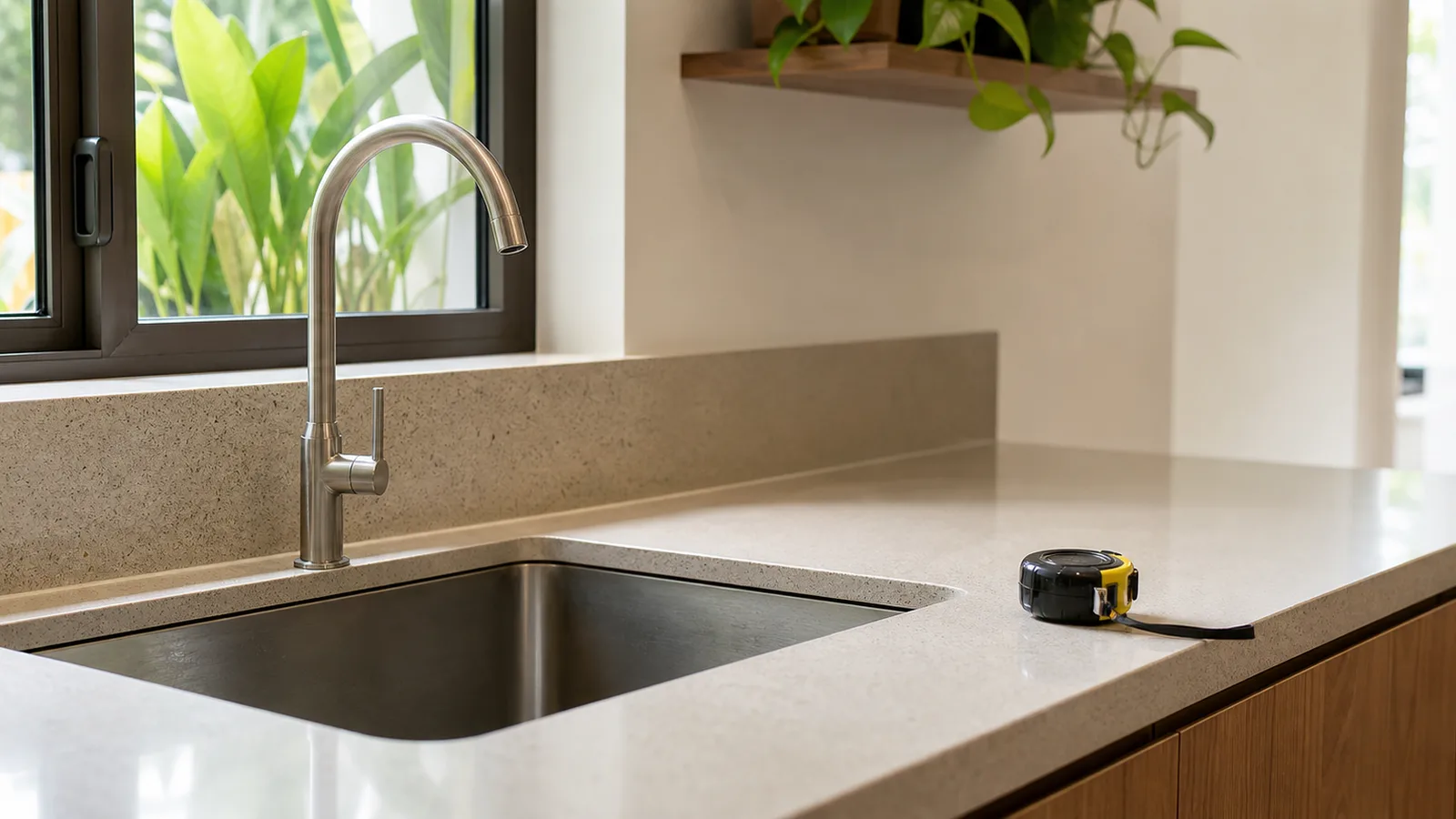
Photograph your tap, including the underside of the spout. A pull-out sprayer head or a one-piece mixer may not accept a diverter, and this stops more installations than anything else.
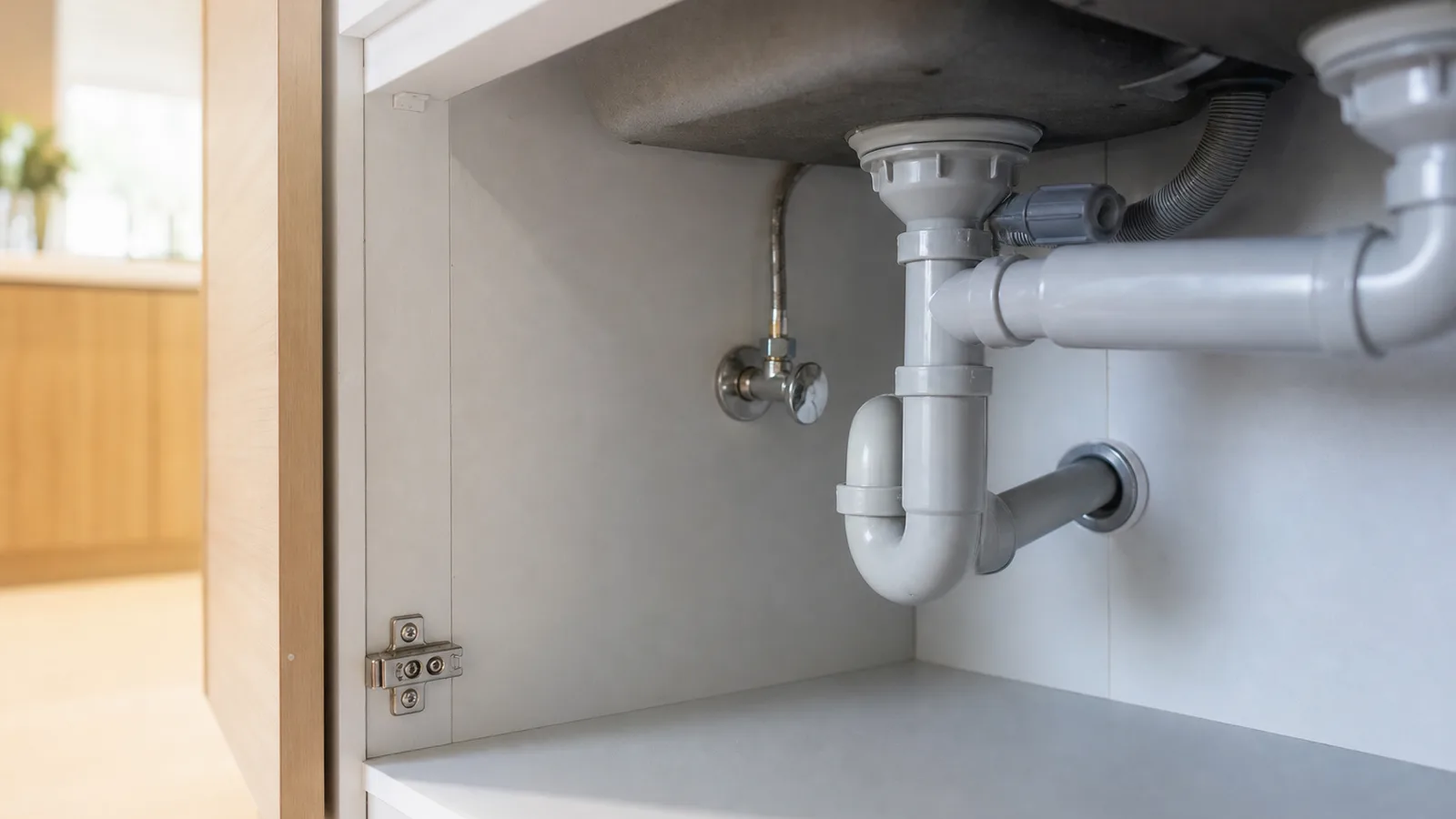
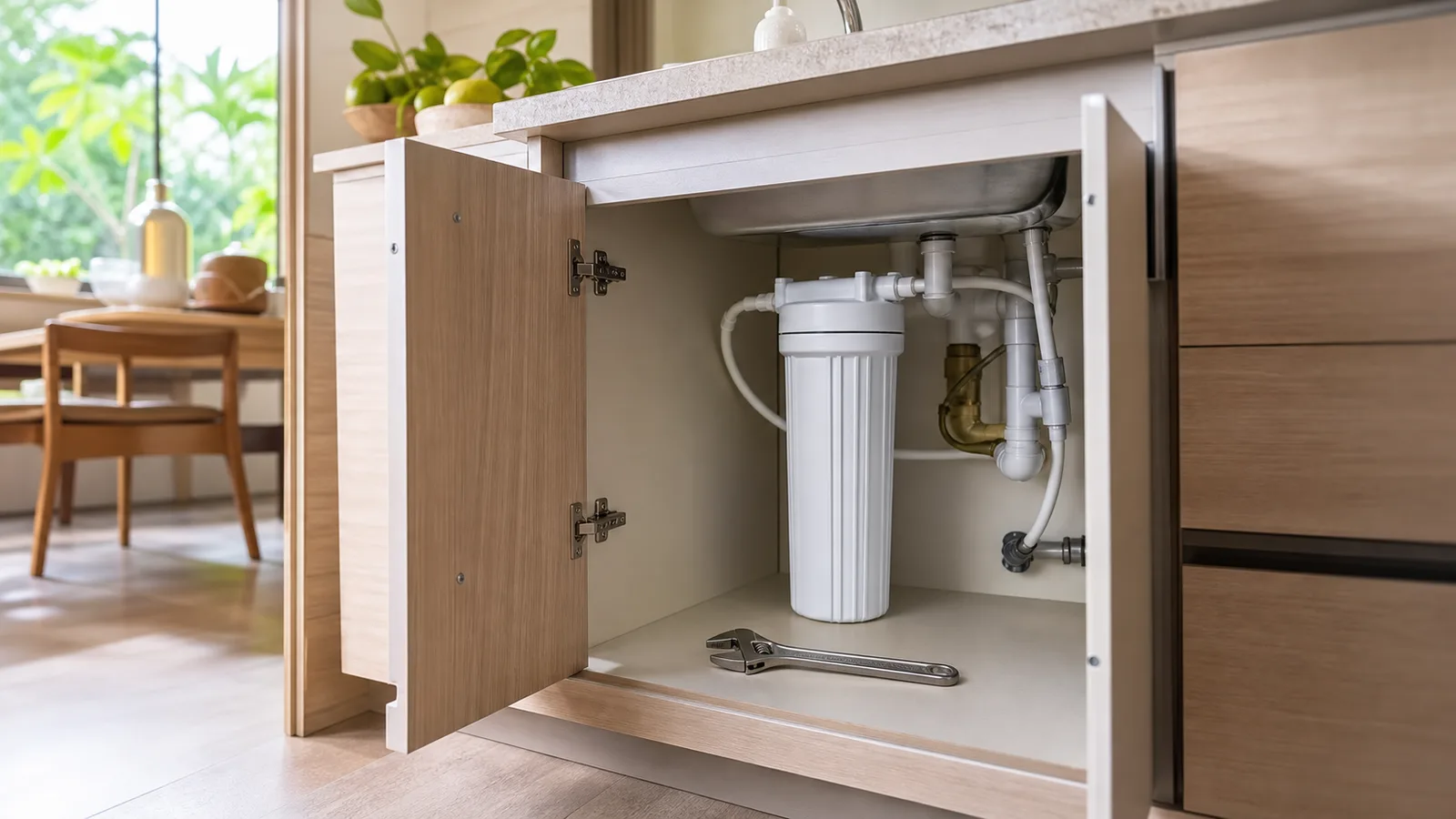
Then open the cabinet with a torch: free space, working shut-off valves, a drain point for the second stream, and any sign of an existing leak. Then find the nearest socket. The full version is in installation: plumbing, drainage and sockets, and the condo layer on top of it is in condo living: the constraints nobody mentions.
Three: what your household actually draws
Note it for a week — drinking and cooking, and when. Most people find the total smaller and the peaks sharper than they assumed, and it is the peaks that flow rate answers.
That one number decides which model makes sense, more reliably than plate count does. A household filling four bottles in the same fifteen minutes each morning is a different case from one filling two a day — comparing the Leveluk lineup and flow rate, explained.
Four: the arithmetic, with your own numbers
- Total what you spend now on delivery, refills or bottled water, for a year. Most households have never added this up.
- Get the cartridge price and its rated litres, and convert to a cost per litre for your usage — what it costs to run a hydrogen water system.
- Add purchase price plus annual running cost, and find the break-even in months.
- Decide whether that period is reasonable to you. If not, that is a finding, not a failure — is hydrogen water worth it?.
Leave any health benefit out of the arithmetic, because none is established — what hydrogen water research has and has not shown.
Five: who will still be there in year four
Where is the nearest authorized service centre, are cartridges reliably available locally and at what price, what does the warranty exclude, and who pays for a repair visit. These are the questions that decide whether ownership is uneventful — warranty and service: settle it before you buy.
If you expect to move, add portability to the list — taking it with you: moving a water system between homes. If you rent, settle what you may install, in writing, first — water filters for renters.
Then, and only then, go and look at products
Arriving with those five answers changes the conversation entirely. You are no longer being told what you need; you are checking whether a particular machine fits constraints you already measured.
It also makes the demonstration easier to read, because you can tell which claims are about the machine and which are about you — common claims about hydrogen water, checked and how to read a water system spec sheet.
Sources
Filed under
- Healthy Home
- buying guide
- checklist
- home audit
- installation
- household