Water system marketing assumes a homeowner: a kitchen you can drill, a lease that does not end, a decision made once. A great many households in Metro Manila are in none of those positions, and the advice available to them is usually a shrug and a delivery schedule.
There is more available than that, and being clear about the constraints makes the choice straightforward.
The constraints, named
That last one is worth more attention than it gets. In a condo, the water reaching your tap has usually passed through a building tank and a pump, and the maintenance of both is out of your hands.
The options, compared honestly
| Option | Good for | Limitation |
|---|---|---|
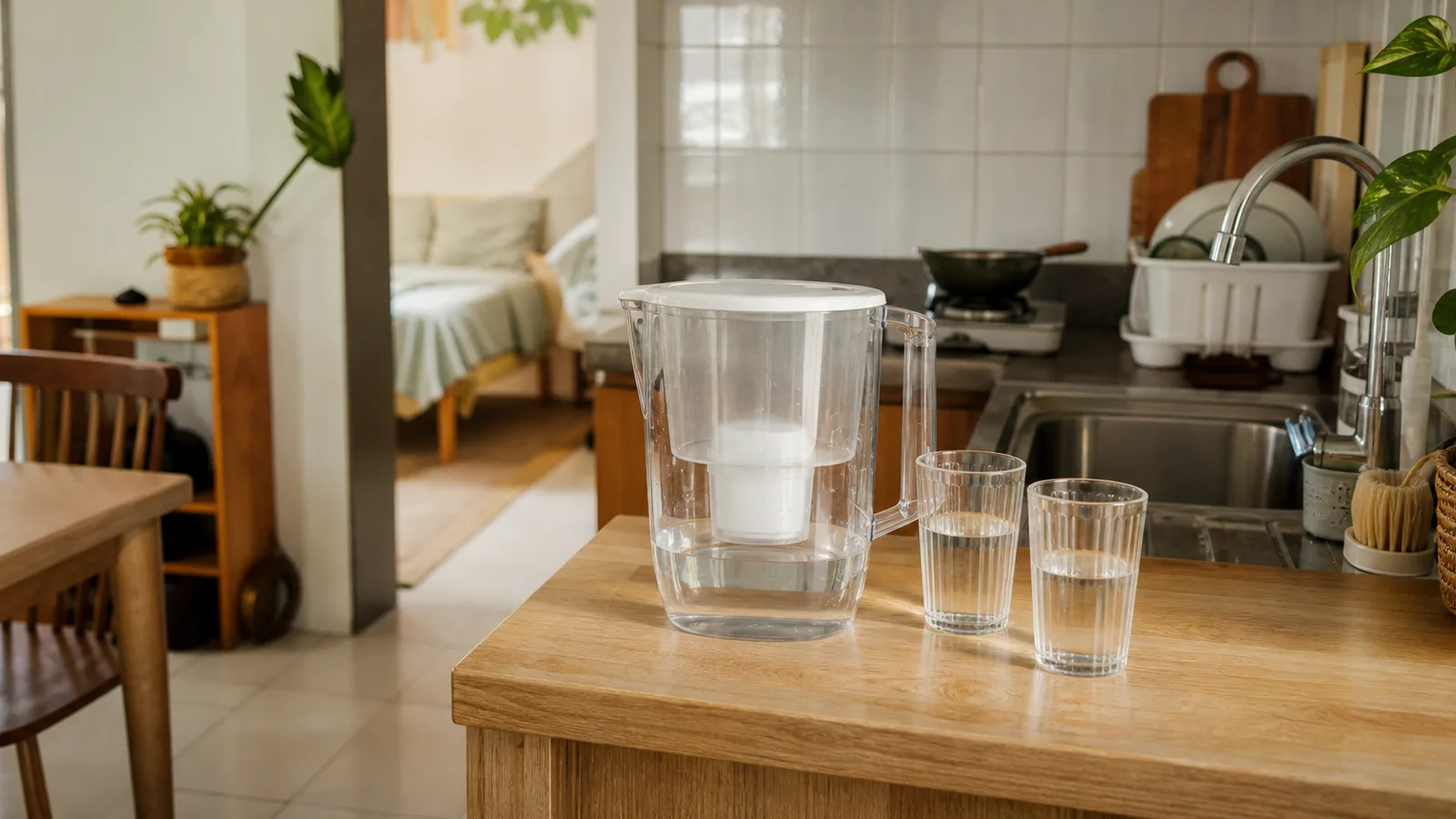
| Filter jug | Taste, chlorine, small households; nothing to install; moves with you | Slow, small capacity, filters need frequent replacement |
| Tap-mounted filter | On-demand filtered water at the sink; removable | Fits only some tap types; can look clumsy; limited capacity |
| Countertop filter or system | Higher volume, no permanent alteration, comes with you | Occupies counter space; needs a socket for powered units |
| Refilling-station delivery | No equipment at all; the current default for most households | Recurring cost, containers, storage, and the packaging question |
For most renters, the honest recommendation is a countertop arrangement if drinking volume is high, and a jug if it is not. Both move house without leaving a mark.
What to check in the lease
Before buying anything that plugs in or connects, three questions: does the lease prohibit alterations, is a tee off the existing supply considered an alteration, and who is responsible if a connection leaks.
That third question is the one worth settling in writing. A slow leak inside a rented cabinet becomes a deposit dispute long before it becomes a plumbing problem.
Condo specifics
- Ask the building when the tanks were last cleaned. Many buildings do this on a schedule and will tell you.
- Check the pressure before buying anything with a published flow rate — upper floors and pump-fed supplies often sit at the bottom of the range, per flow rate and why it matters.
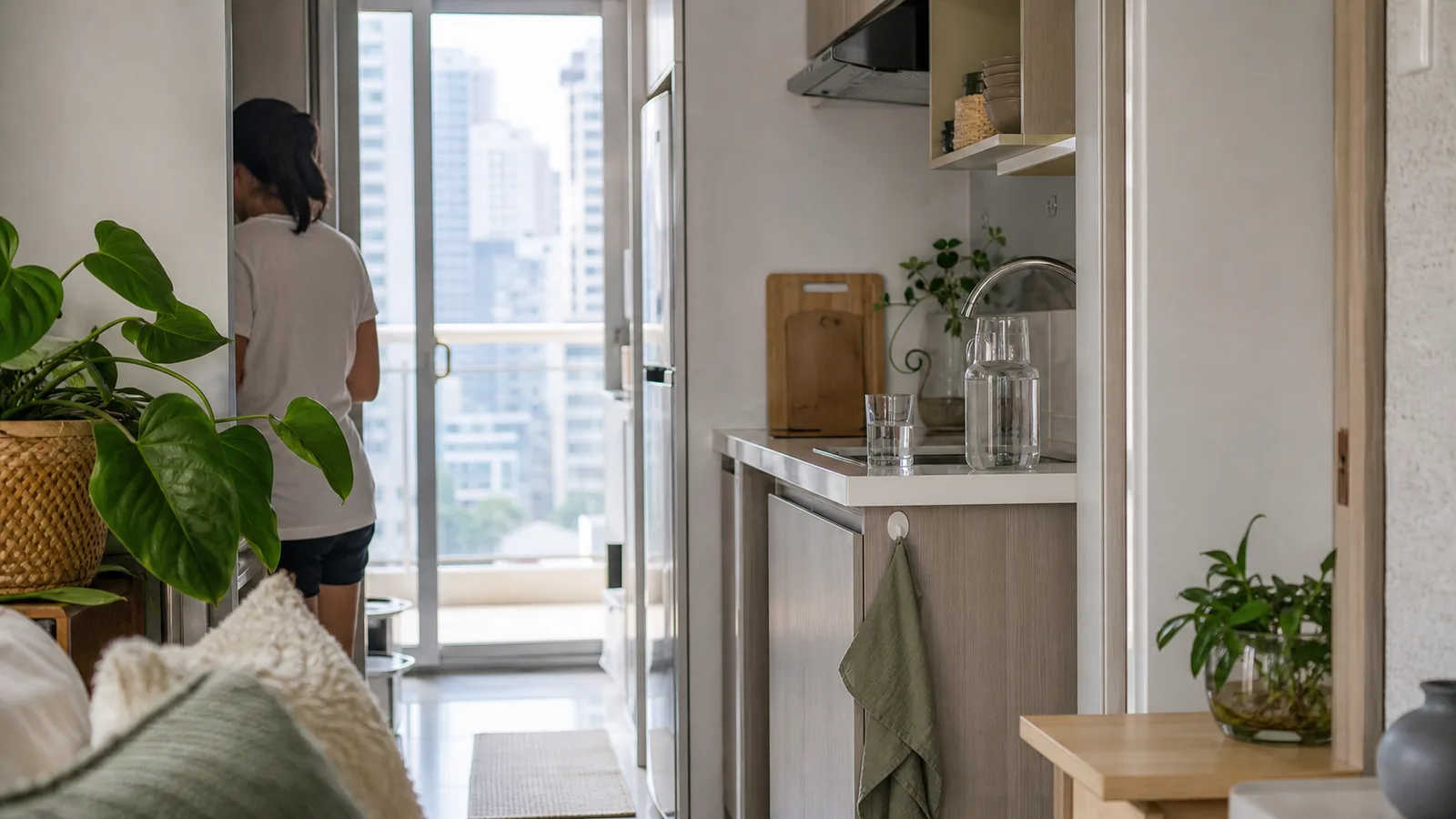
- Measure the counter honestly. Condo kitchens are small, and a unit that fits on paper may leave nowhere to prepare food.
- Consider the move. Whatever you buy, you will carry it down a lift in two years. Weight is a real criterion.
When a full system makes sense anyway
Renting is not an automatic no. A household with a long lease, high drinking-water consumption, and a countertop unit that requires no permanent alteration can reasonably buy one — the machine moves, and the payback is calculated over the years of use rather than the years in that apartment.
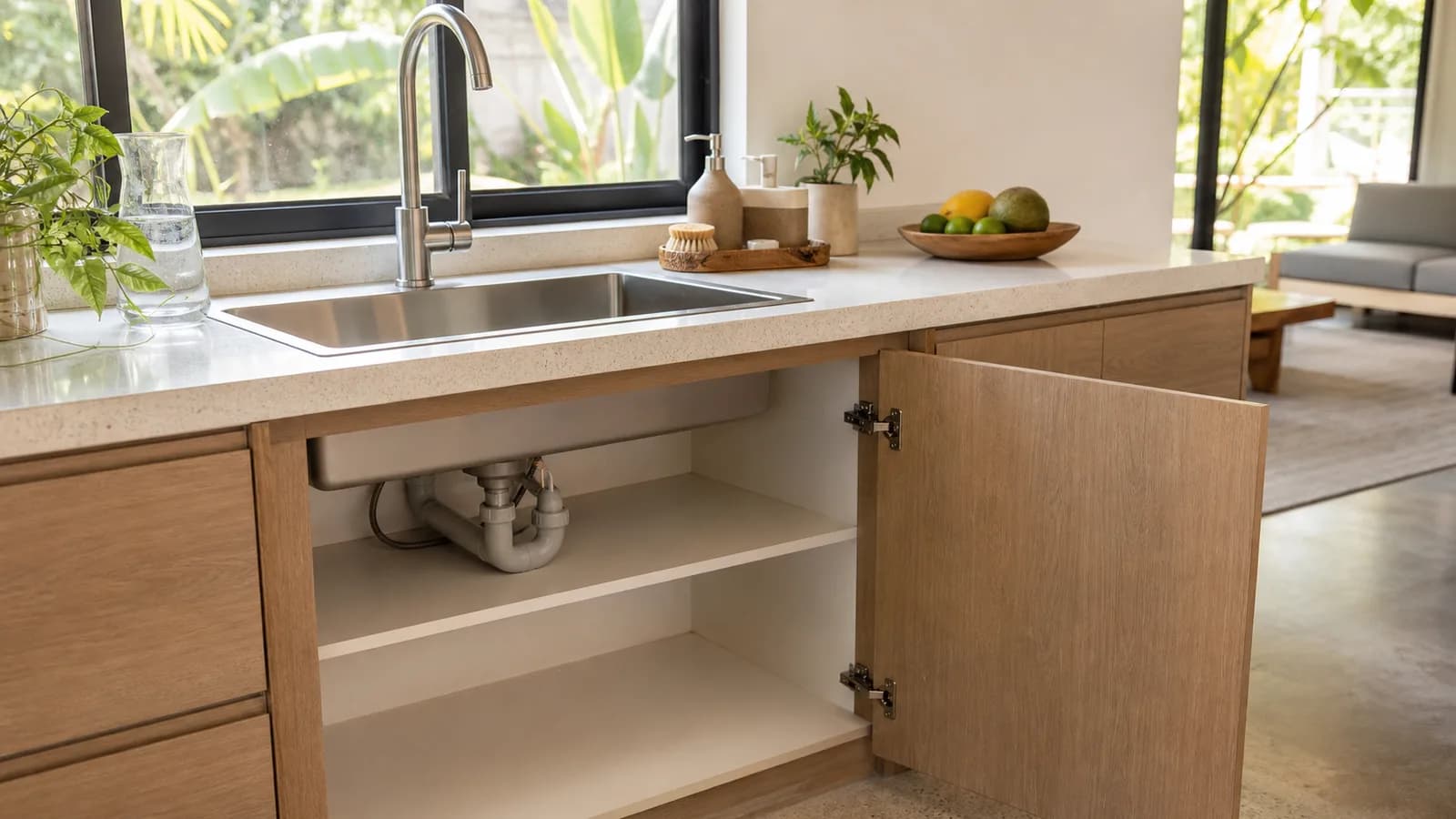
What renting does rule out is the under-counter arrangement, and that is the only part of the decision it settles by itself. The comparison between the two is in under-counter or countertop.
General household information, not legal advice. Lease terms vary; read yours and get any agreed alteration in writing.
Sources
Filed under
- Healthy Home
- renting
- water filter
- apartment
- condo
- practical