Flow rate is the least romantic number on a water system's specification sheet. It is also the one a household experiences every day for as long as it owns the machine, and the one most likely to turn a good purchase into a mildly annoying one.
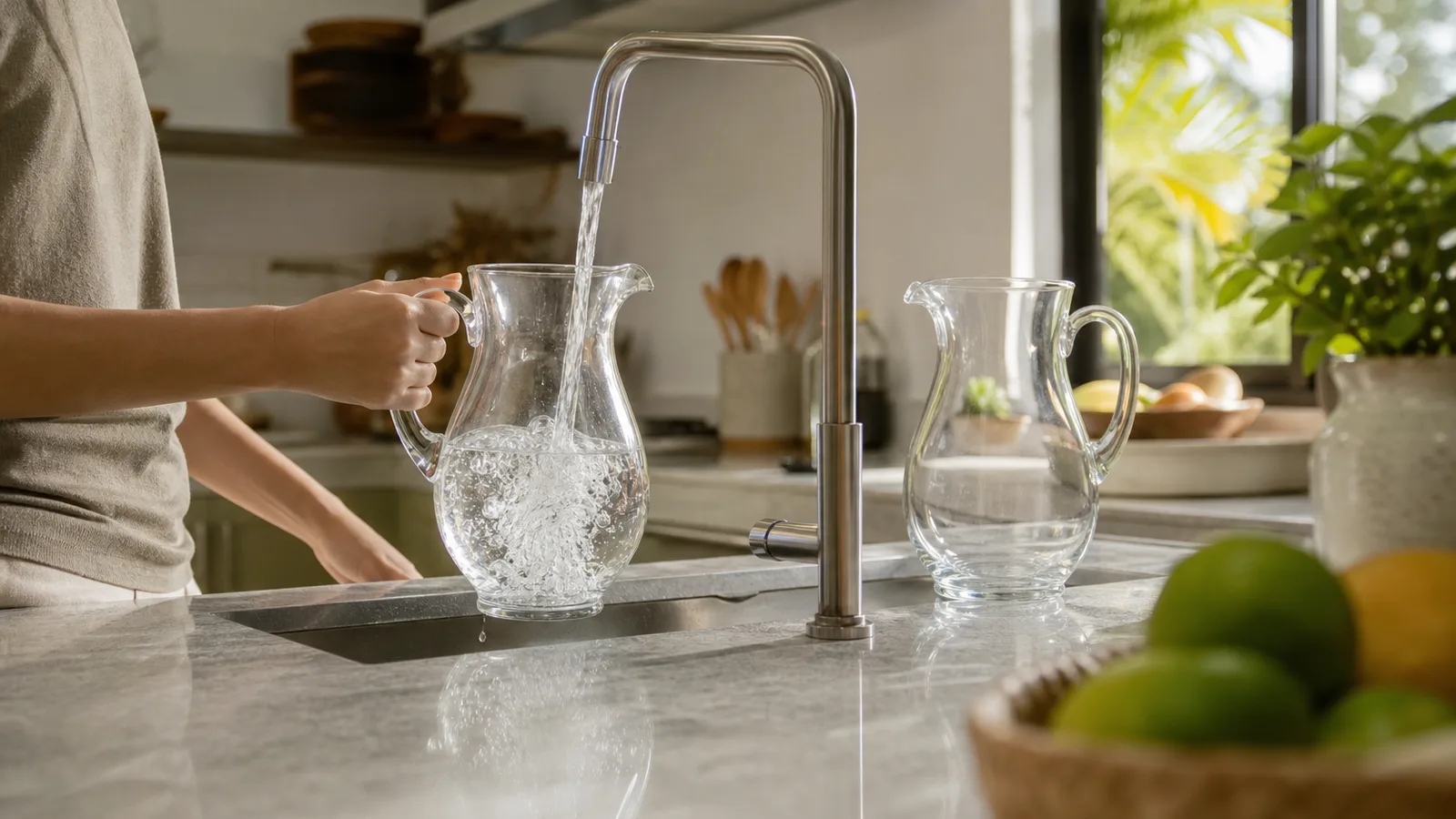
The pattern is consistent: people choose on plate count, price and how the unit looks on the counter, and then discover flow rate in month three, standing at the sink filling the third jug before lunch.
What the number means
Flow rate is how much water the machine delivers per minute in a given mode, usually written as litres per minute. In this category it is quoted per water type, because the machine holds water in the reaction for different lengths of time depending on what it is producing.
Across the current lineup the published Kangen-water figures run from 3.0–4.9 L/min on the Leveluk Jr. IV, to 3.5 L/min on the K8, to 4.9–7.9 L/min on the Super 501. Those ranges exist because flow depends on your incoming water pressure as well as the machine.
Working out what your household needs
The arithmetic is simple and almost nobody does it.
- Count the drinking water your household gets through in a day. Most Filipino families already know this in containers; a 20-litre container is a convenient unit.
- Add cooking. Rice, soup, coffee and the pot that gets filled twice a day add up faster than people expect.
- Divide by the flow rate. Twenty litres at 3.5 L/min is about six minutes of standing at the tap. At 7 L/min it is under three.
- *Then think about when.* Daily volume is not the problem. The problem is the twenty minutes before dinner when everything is needed at once.
That last point is what separates a household that is happy with its machine from one that quietly goes back to buying containers. Demand is not spread evenly across the day; it clusters. A machine that comfortably meets a daily total can still be a bottleneck at 6pm.
Why a faster machine is not simply a better one
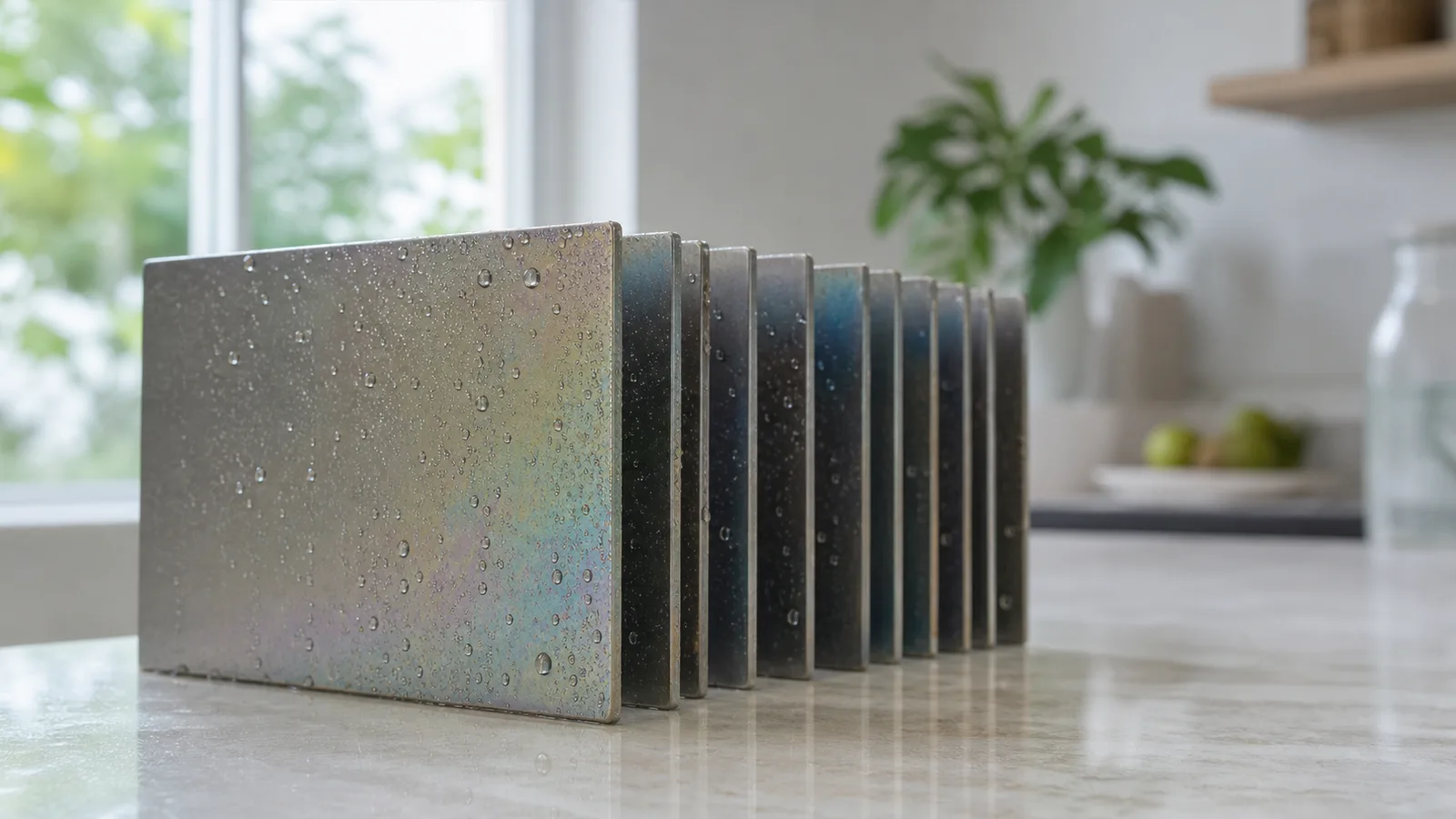
Flow rate pulls against the strength of the reaction. Water moving quickly across the electrode plates spends less time in electrolysis; water moving slowly shifts further. Every machine in this category is a position taken on that trade-off, which is why the highest ORP figure and the highest flow rate do not automatically belong to the same unit — a point worked through with the published figures in what plate count actually changes.
Where the three current machines sit on that trade-off is set out side by side in comparing the Leveluk lineup, and the number itself only means anything under the supply it was measured on — a quoted figure describes a normal mains pressure, not an upper-floor condo at eight in the morning. That caveat, and the one-litre timing test that settles it for your own kitchen, is in water pressure and what it means for appliances.
The practical version: if a seller offers you a machine that is both the strongest and the fastest, ask how. There is usually a real engineering answer — a dual plate system, for instance — and it will be on the spec sheet.
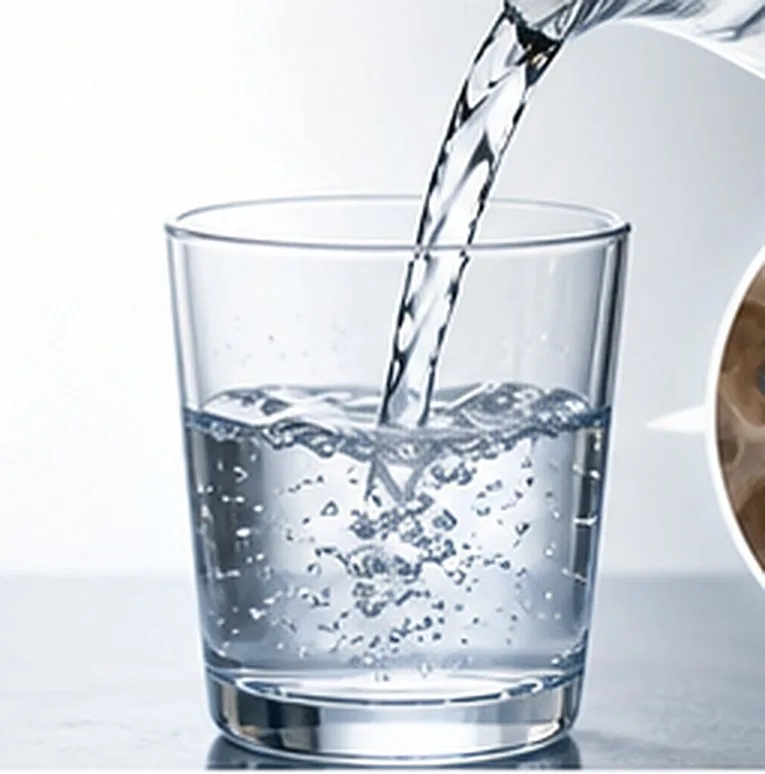
What a too-slow machine actually looks like
It rarely looks like a complaint. It looks like workarounds.
At that point the household is paying for both arrangements, which is the worst of the available outcomes and entirely avoidable at the point of purchase.
What to ask before you buy
- What is the flow rate for the water we will actually drink, not the highest figure on the sheet?
- What is your incoming pressure at the tap where this will be installed?
- What happens to the rate as the filter ages toward replacement?
- How many litres a day does the manufacturer consider normal use for this model?
Then run the machine at home, at the busiest hour, before deciding. A demonstration on your own supply answers the pressure question in a way no specification can, and the comparison puts flow rate beside plate count and capacity so the trade-off is visible in one place.
Figures quoted here come from the showroom's own catalogue and can change. Confirm current specifications with official Enagic materials before purchasing.
Sources
Filed under
- Water Technology
- flow rate
- water ionizer
- large household
- specifications
- daily use