Filipino households move more often than the appliance industry assumes. A lease ends, work relocates, a family grows — and a machine bought for one kitchen has to survive the journey to the next.
This is a genuine advantage of a countertop unit over anything plumbed in permanently, and it is one of the few product characteristics that is entirely checkable in advance. What follows is what to plan for, at the three points where it goes wrong.
Follow your machine's own manual for uninstallation and storage. Anything involving plumbing in a rented or condominium unit should be settled with the owner or building administration in writing first.
Point one: before you buy, if you know you will move
For anyone renting and not yet committed, the prior question — what is worth having at all when you cannot install anything — is in water filters for renters.
Point two: taking it out properly
- Drain it fully before it goes in a box. Water left inside a stored machine is the most common way one is ruined between homes.
- Follow the manual's storage procedure, which may differ from simply switching it off — this is not a step to improvise.
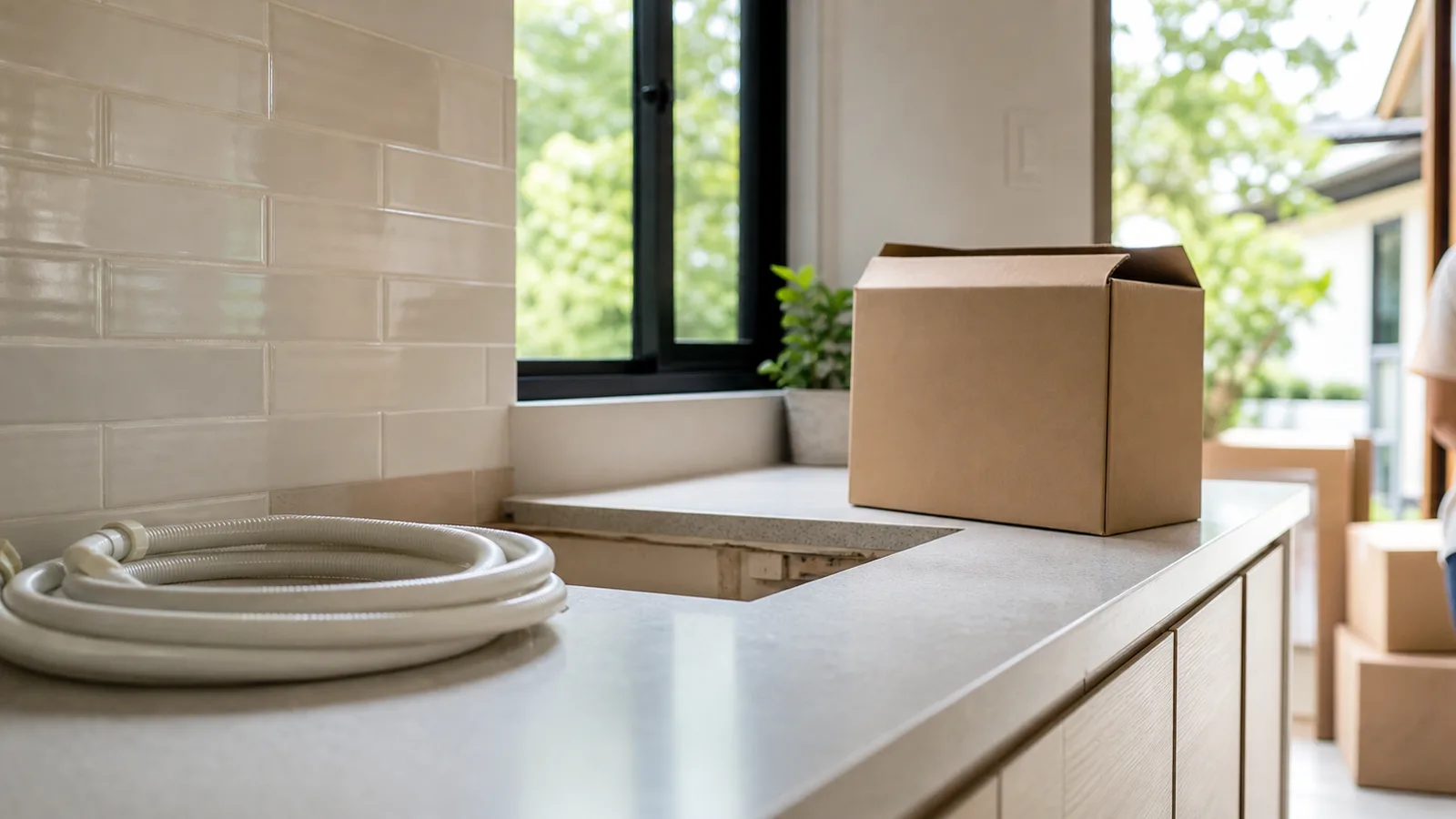
- Remove and bag the diverter and hoses, and restore the original tap fitting if you rent.
- Photograph the setup before dismantling it, which makes reinstallation a reference exercise rather than a memory test.
- Note the filter's remaining life before it goes into storage, so you are not guessing later — filter maintenance: the schedule people forget.
Point three: whether the next kitchen can take it
This is where relocations actually fail, and it is checkable during the viewing rather than on moving day.
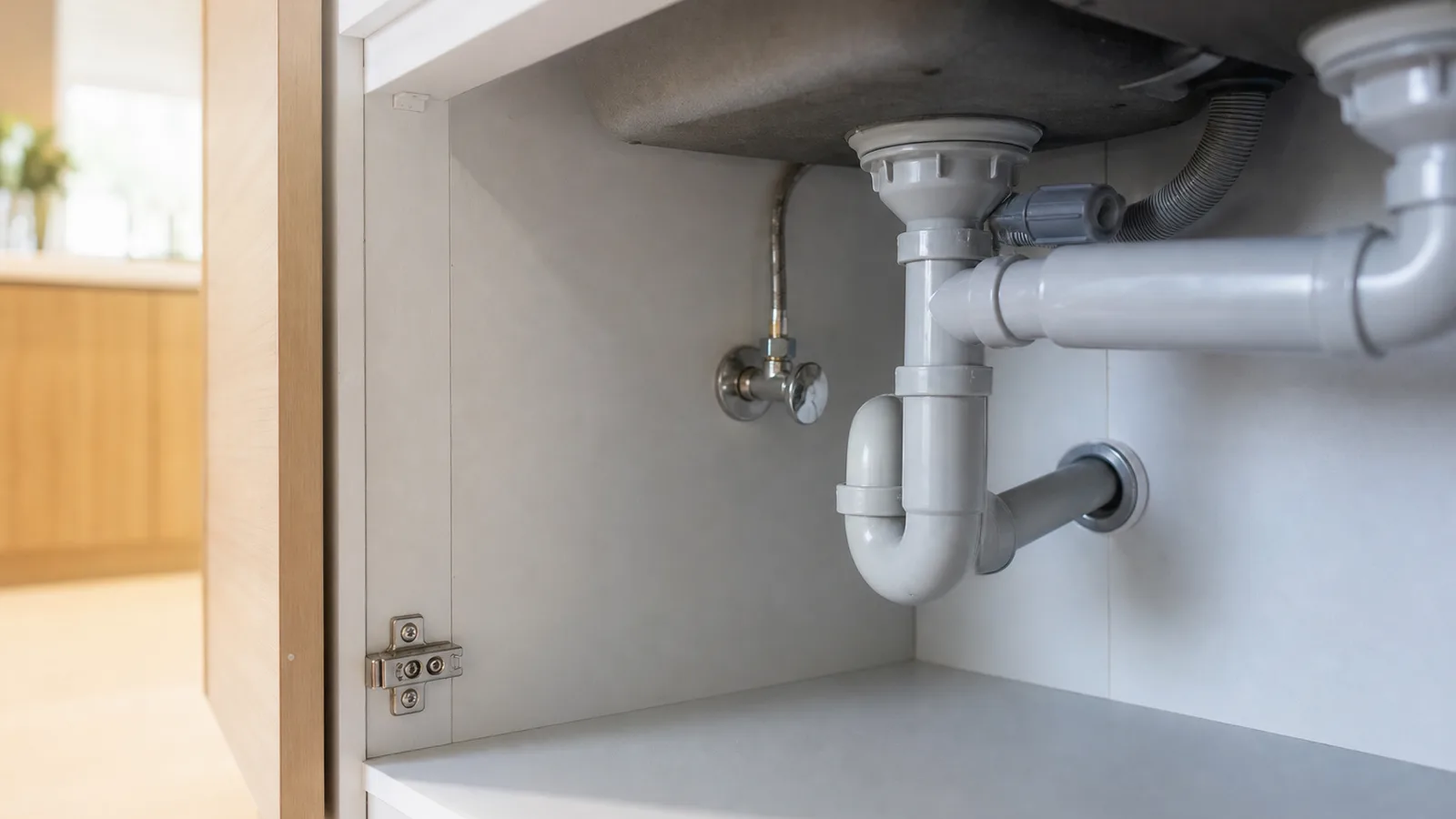
Look at the tap first — a pull-out sprayer head or a one-piece mixer may not accept the diverter that fitted your last kitchen. Then look under the sink for space and a drain point for the second stream, and then find the nearest socket. All three, plus the pressure test, are in installation: plumbing, drainage and sockets.
In a condo the additional layer is the building's own rules, which vary and are not negotiable — condo living: the constraints nobody mentions.
The paperwork nobody thinks about
Two things worth settling at the time of the move rather than at the time of a fault.
First, whether relocating or self-reinstalling affects your warranty, and whether the registered address needs updating. Second, whether there is an authorized service centre near the new place — because a warranty is worth what the nearest service centre makes it worth, which is the argument in warranty and service: settle it before you buy.
If you are moving between regions, that second question is the one that actually changes your experience of ownership, and it is better answered before the truck is booked.
The first day in the new place
Run the tap for a while before connecting anything, particularly if the unit has been empty. Time a one-litre fill at two different hours to learn the new supply's pressure and how much it swings — water pressure and what it means for appliances.
And test the water for hardness, because a new area can mean a completely different supply — which changes scale, filter life and how the water tastes — water hardness and why water tastes different from different sources.
Sources
Filed under
- Water Technology
- moving
- portability
- renting
- installation
- warranty