Water is described as tasteless, and the water in front of you almost certainly is not. Anyone who has moved house, travelled between provinces, or switched from delivery to the tap knows the difference is real and sometimes large.
Four causes account for nearly all of it. Working through them in order is usually enough to identify what you are tasting.
One: chlorine, and it is usually this
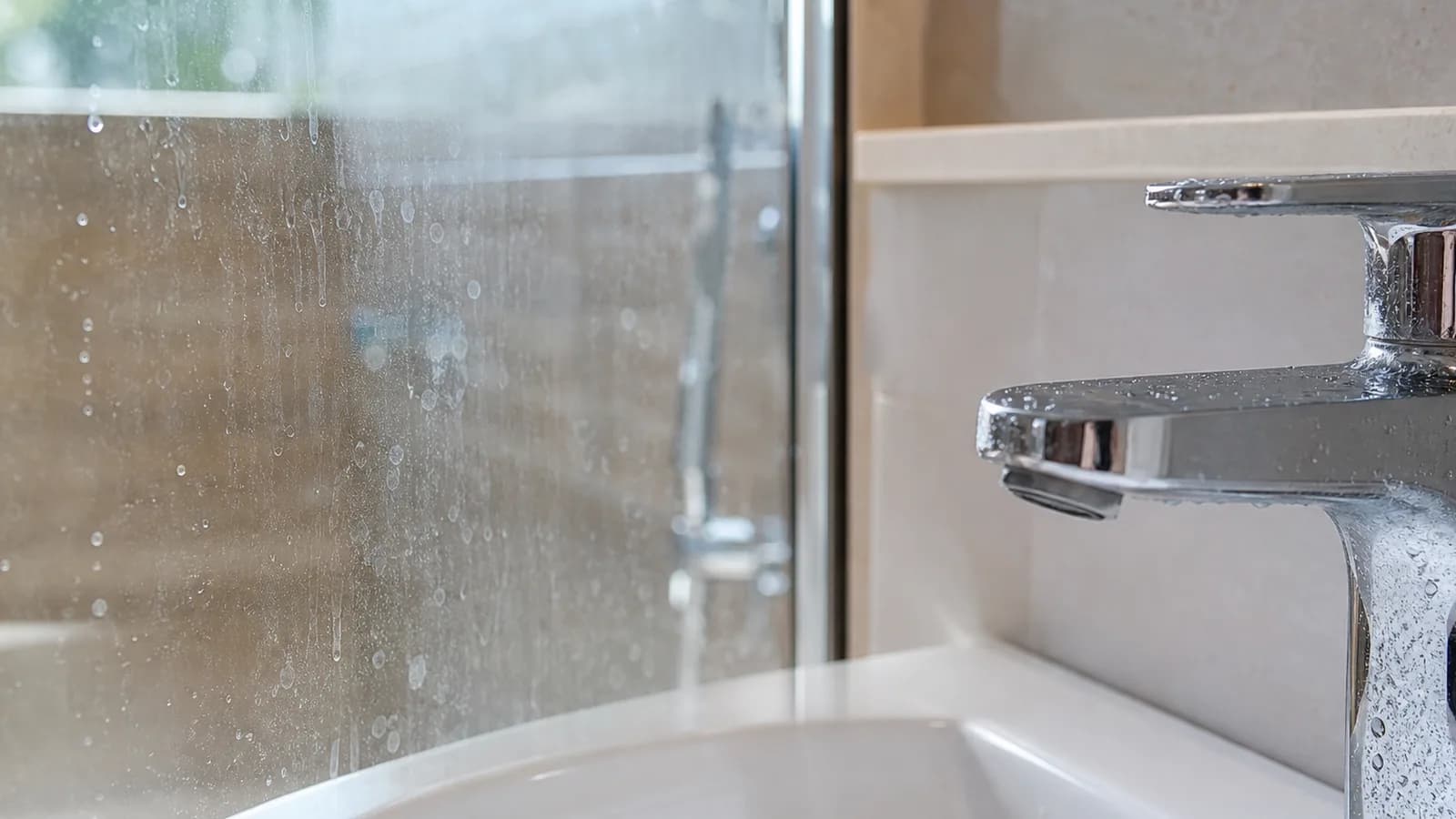
Disinfection is why piped water is safe to drink, and residual chlorine is the price of it. It is also the single most commonly noticed taste and smell in tap water — the sharp, faintly swimming-pool note that people describe as "tasting of the pipes".
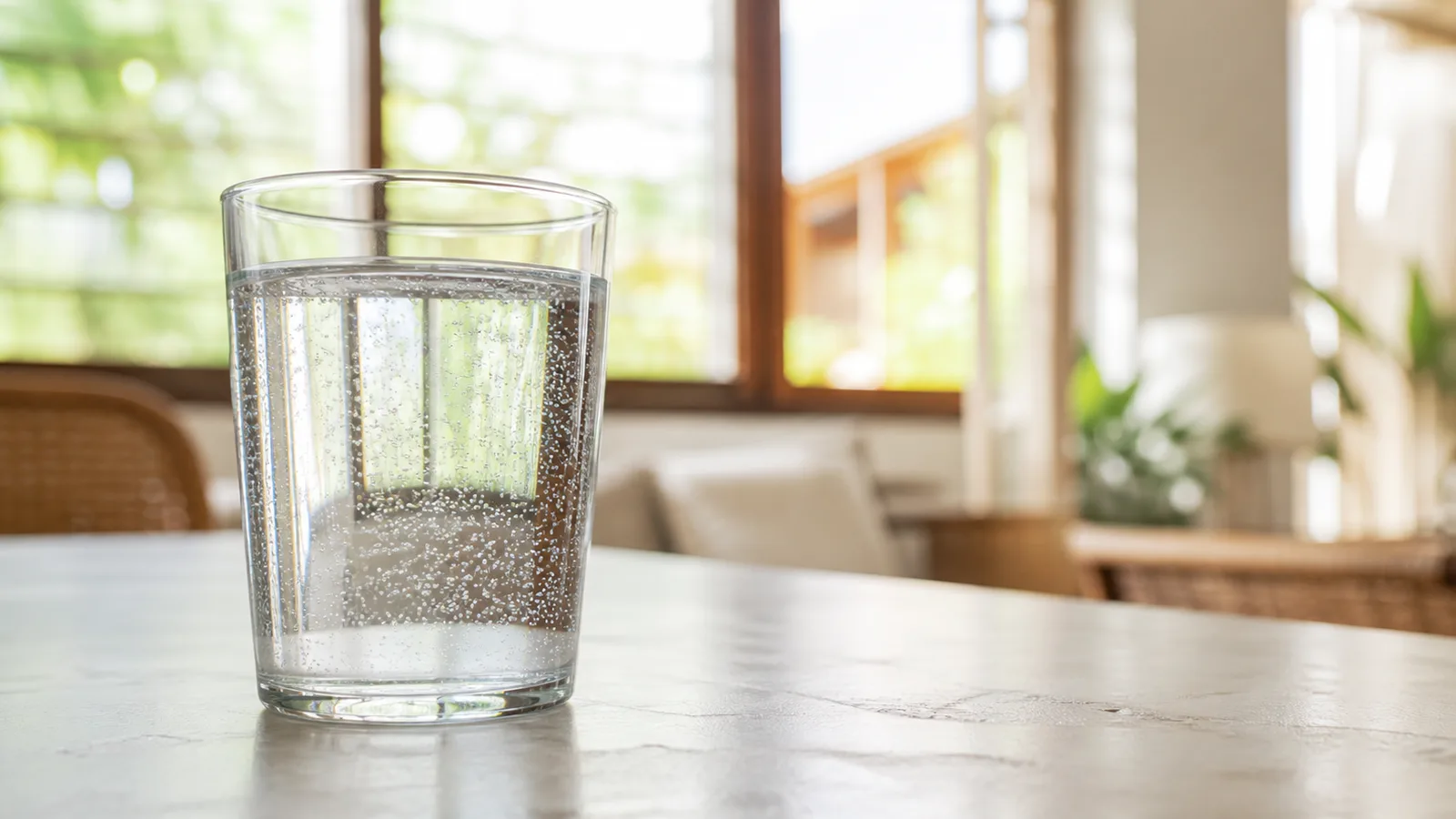
It is the easiest to confirm. Fill a jug, leave it uncovered in the fridge for a few hours, and taste again: much of the residual dissipates and the sharpness goes with it. If that fixes it, chlorine was your answer, and any carbon filtration will address it permanently — the step described in filtration and ionization are not the same step.
Two: dissolved minerals
Calcium, magnesium, sodium, bicarbonate and the rest give water most of what people call its character. High-mineral water can taste faintly chalky, flat or slightly bitter; very low-mineral water tastes thin, and many people find it unpleasantly so.
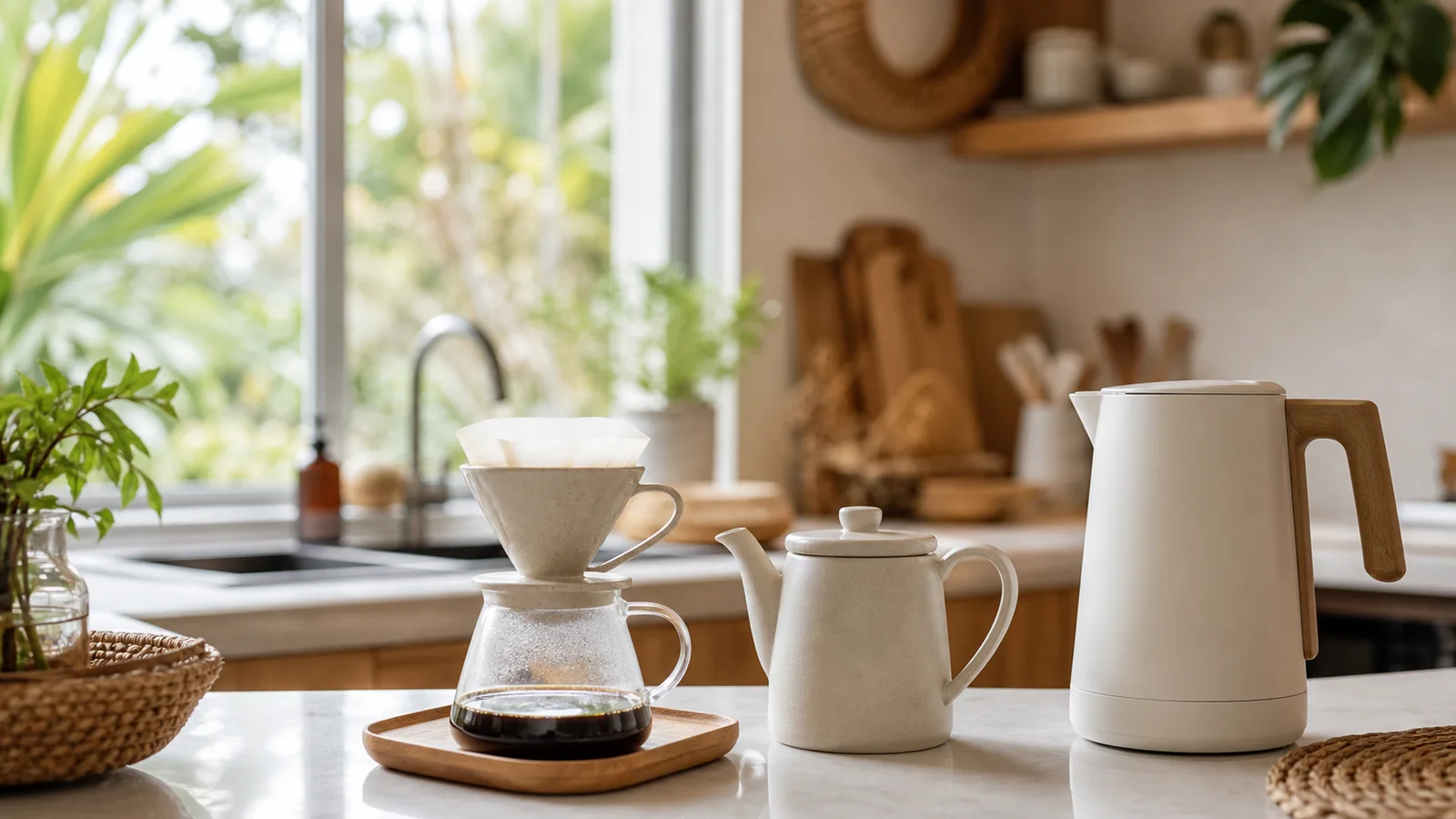
This is why bottled brands taste distinguishable from one another and why water from a different province tastes wrong for a week. It also explains kettle scale and soap behaviour, which is the practical half covered in water hardness.
Three: temperature, which is doing more than you think
Cold suppresses flavour. Chilled water tastes cleaner not because anything was removed but because your palate registers less of what is there.
This is the most common confounder in any comparison. Two samples at different temperatures are not comparable, and a great many confident judgements about water are really judgements about a fridge — the fuller argument is in cold water or room temperature.
Four: what it sat in, and for how long
This is the cause most people never test, and it is often the whole explanation for why the same source tastes different at home and at work.
Diagnosing your own water in ten minutes
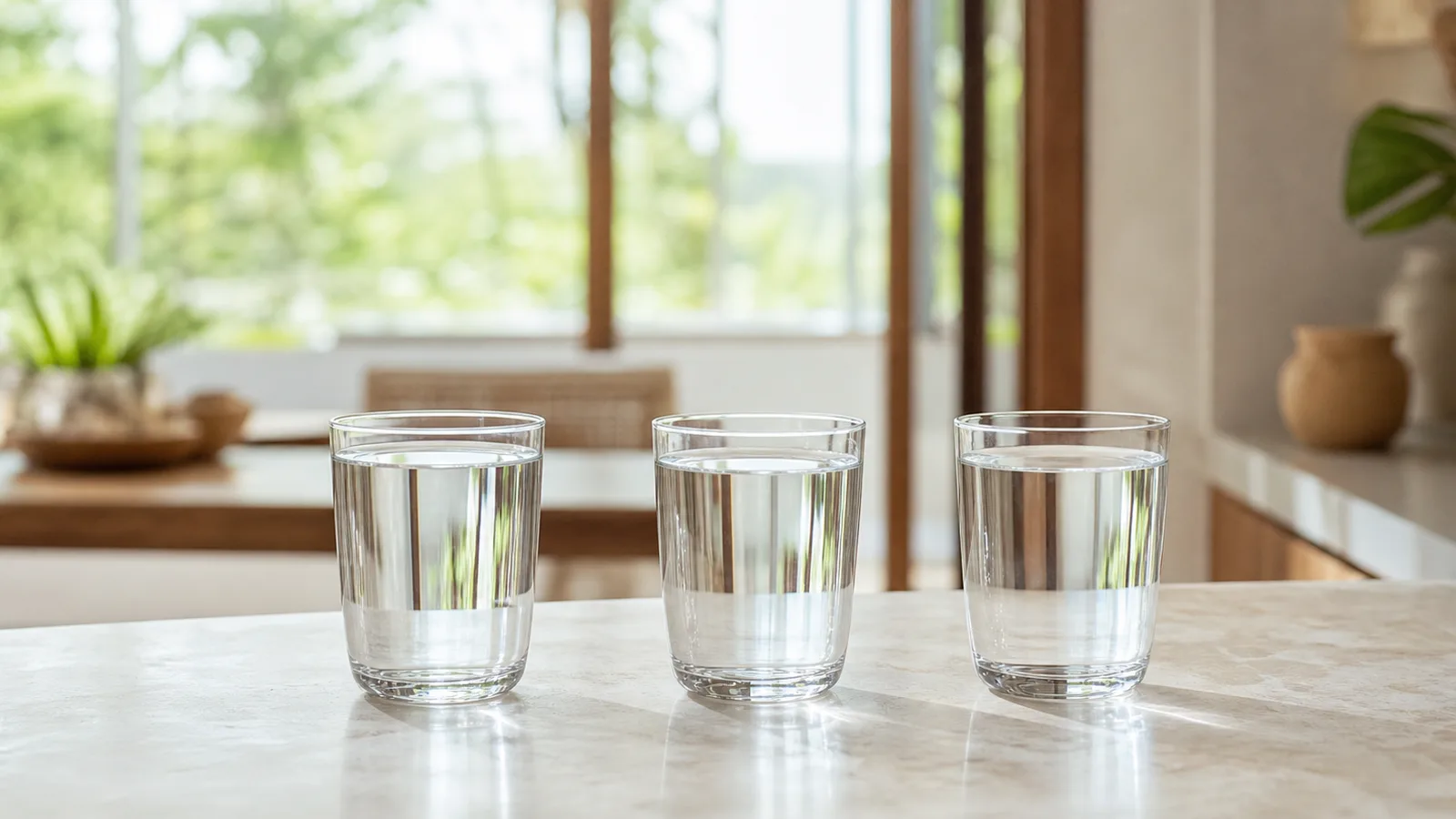
- Pour a glass and taste it immediately, straight from the tap.
- Pour a second and leave it uncovered for four hours. If it improves markedly, it was chlorine.
- Chill a third. If chilling is what fixes it, temperature was doing the work.
- Taste the same water from a glass and from your usual bottle. A difference here is the container, not the source.
- If none of that changes anything, you are tasting minerals — which is a property of your supply, not a fault.
One thing that test cannot do is tell you whether water is safe. Taste and safety are unrelated: unsafe water frequently tastes fine, and perfectly safe water often tastes bad. A supply you have genuine reason to doubt is a question for your provider or an accredited laboratory, not for your palate.
If your water changes taste suddenly, looks cloudy or discoloured, or your area is under a boil-water advisory, treat that as a supply issue and contact your water provider rather than a filter salesperson.
Sources
- World Health Organization — Guidelines for drinking-water quality, fourth edition incorporating the first and second addenda.
- US Environmental Protection Agency — Secondary Drinking Water Standards: Guidance for Nuisance Chemicals.
- Philippine Department of Health — Philippine National Standards for Drinking Water.
Filed under
- Hydration
- taste
- tap water
- minerals
- chlorine
- philippines