Hard water gets discussed as though it were a fault in a supply. It is not. It is simply water carrying dissolved calcium and magnesium, picked up from the ground it passed through, and it is entirely ordinary.
What it does do is decide how much maintenance every water-using appliance in your house needs, which is a practical matter worth understanding before you blame a kettle, a soap or a machine.
Hardness is an aesthetic and maintenance issue rather than a health one. Drinking-water safety is a separate subject governed by the standards linked below. This article is general household information, not medical advice.
What hardness actually is
Rain is soft. As water moves through rock and soil it dissolves minerals, principally calcium and magnesium compounds, and the quantity it carries is what "hardness" measures. Limestone regions produce hard water; areas of granite and volcanic rock generally produce soft.
The Philippines varies widely by locality and by source, which is why the useful answer to "is our water hard?" is always local and often specific to a particular supply rather than to a city.
How to tell, without a laboratory
For a number rather than an impression, home test strips give a rough reading, and your water utility can usually provide a figure for your area. Either is enough to know which category you are in.
What it does to appliances
Scale deposits inside anything that heats or moves water. In a kettle it forms visibly; in a water heater it insulates the element and quietly raises the energy needed to do the same job; in pipes and shower heads it narrows the path.
In a water ionizer specifically, hardness has a direct consequence: electrolysis pulls dissolved minerals toward the electrode plates, so harder water means faster build-up and more frequent cleaning. That is why the automatic cleaning cycle exists and why two identical machines in two houses need different attention — the subject of cleaning cycles and ionizer maintenance.
What actually helps
| Approach | What it does | Honest limitation |
|---|---|---|
| Regular descaling | Removes scale that has already formed, in kettles, shower heads and taps | Ongoing work; prevents nothing |
| Ion-exchange softener | Genuinely removes hardness minerals, exchanging them for sodium | Needs salt and servicing; adds sodium; a plumbed installation |
| Filtration (carbon, sediment) | Improves taste and removes other things | Does not remove hardness — a different job entirely |
| Magnetic and electronic descalers | Marketed as conditioning without removing minerals | Evidence for effectiveness is contested; treat claims sceptically |
The second row is worth emphasising because it is the most common confusion in this category: a filter is not a softener. Filtration and hardness removal are separate functions, and a system that does one may do nothing at all about the other. The distinction is set out in filtration and ionization are two different jobs.
The practical position for most households
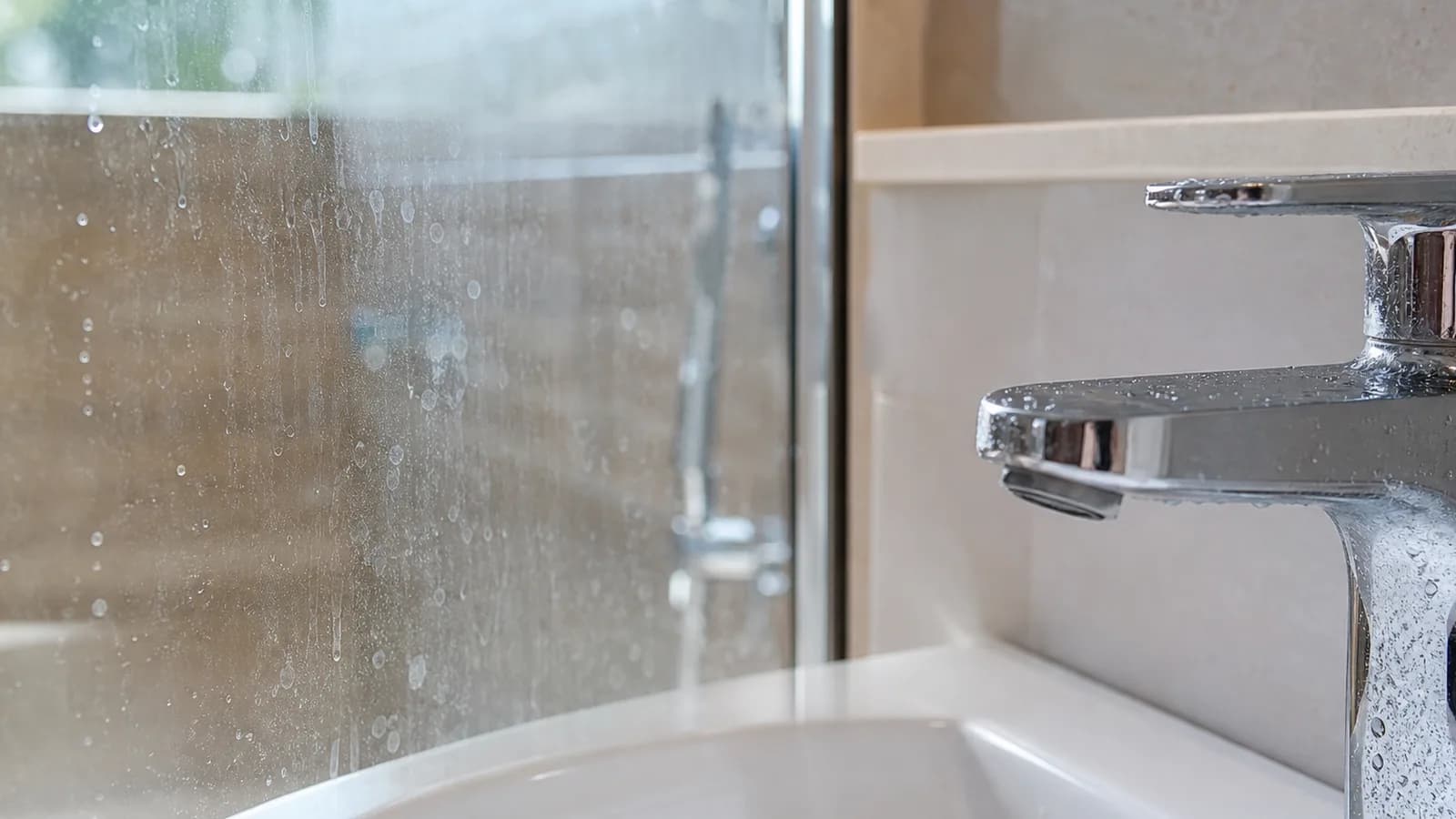
Full softening is a plumbed, serviced installation and most households will not want it. What most households actually need is smaller: descale the kettle and shower head on a schedule, wipe glass surfaces dry rather than letting droplets evaporate, and shorten the maintenance interval on any water appliance you own.
And if you are buying a system, ask the question directly: what does hardness do to this machine, and how often will it need attention on water like mine? A supplier who has fitted machines in your area will know, and the answer belongs on your list alongside filter cost and service access — see how to read a water system spec sheet.
Sources
Filed under
- Water Technology
- hard water
- limescale
- maintenance
- appliances
- water quality