Nobody buys an appliance for its maintenance schedule, which is why the maintenance schedule is where most of the disappointment in this category eventually comes from. A water ionizer is not a fit-and-forget device, and the parts of it that need attention are not obvious from the outside.
The good news is that the list is short and the intervals are long. The bad news is that skipping them is invisible until performance has already dropped.
Why scale forms in the first place
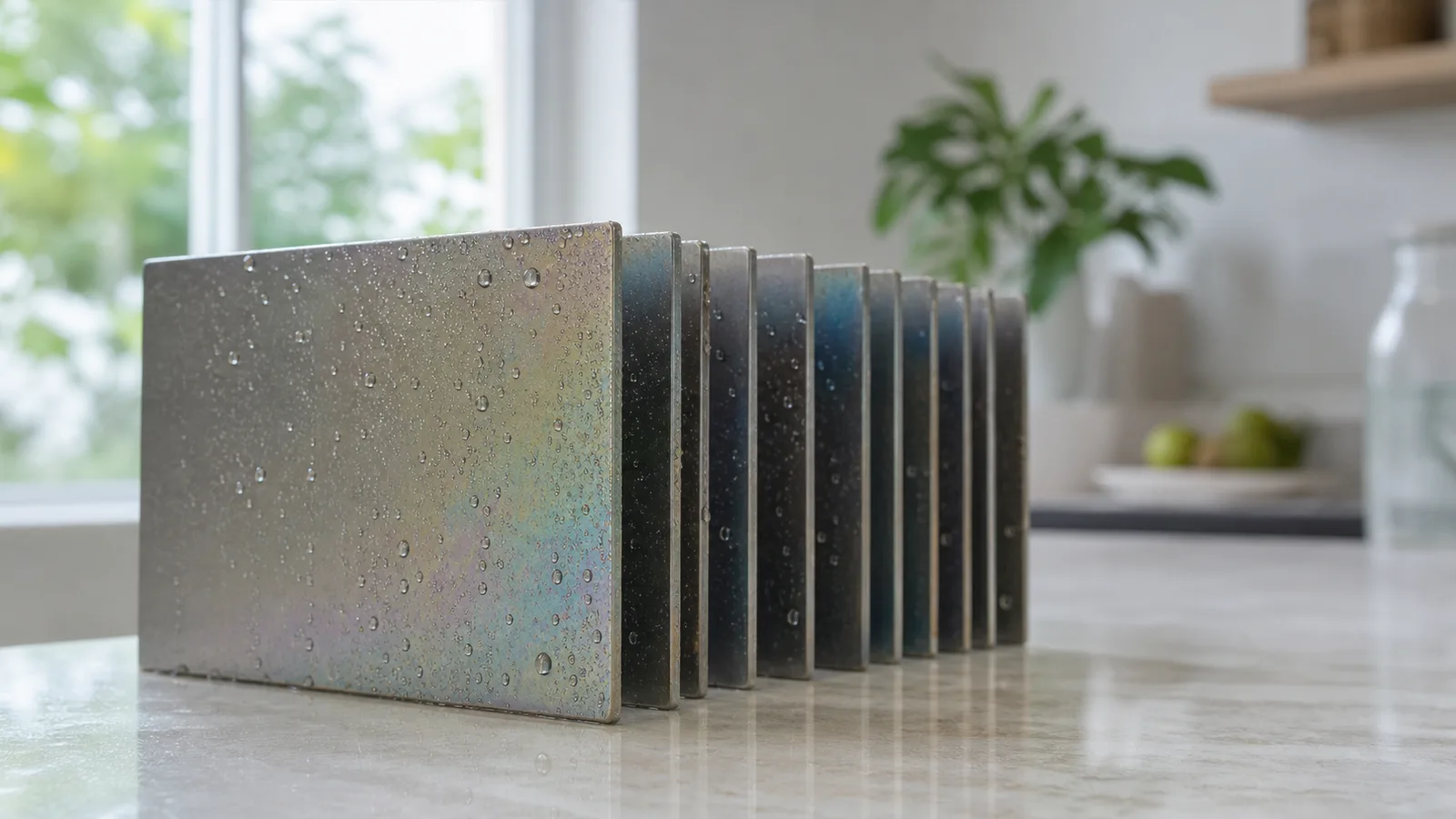
Electrolysis pulls dissolved minerals — principally calcium and magnesium — toward the electrode surfaces. Over time they deposit there as scale. This is not a fault or a sign of poor water; it is a direct consequence of the process working, and every machine in the category does it.
Scale matters because it sits between the water and the plate. The reaction happens at the plate surface, so a coated plate is a smaller effective surface — which is the same variable discussed in what plate count actually changes, arriving from the other direction.
What an automatic cleaning cycle actually does
Machines in the current lineup — the K8, Super 501 and Jr. IV all list automatic cleaning — periodically reverse the polarity of the plates. The stream that was alkaline becomes acidic and vice versa, and the acidic condition at the plate surface dissolves accumulated deposits. They all run it, so it is not what separates the three machines.
Two practical consequences follow:
- Water drawn during a cleaning cycle is not what you expect. Machines usually signal this. It is not harmful; it is simply the wrong stream for drinking, and it should be discarded.
- The cycle is automatic, not sufficient. It manages routine build-up. It does not replace deep cleaning where water is hard, and it does nothing at all about the filter.
Filters, and how their life is really measured
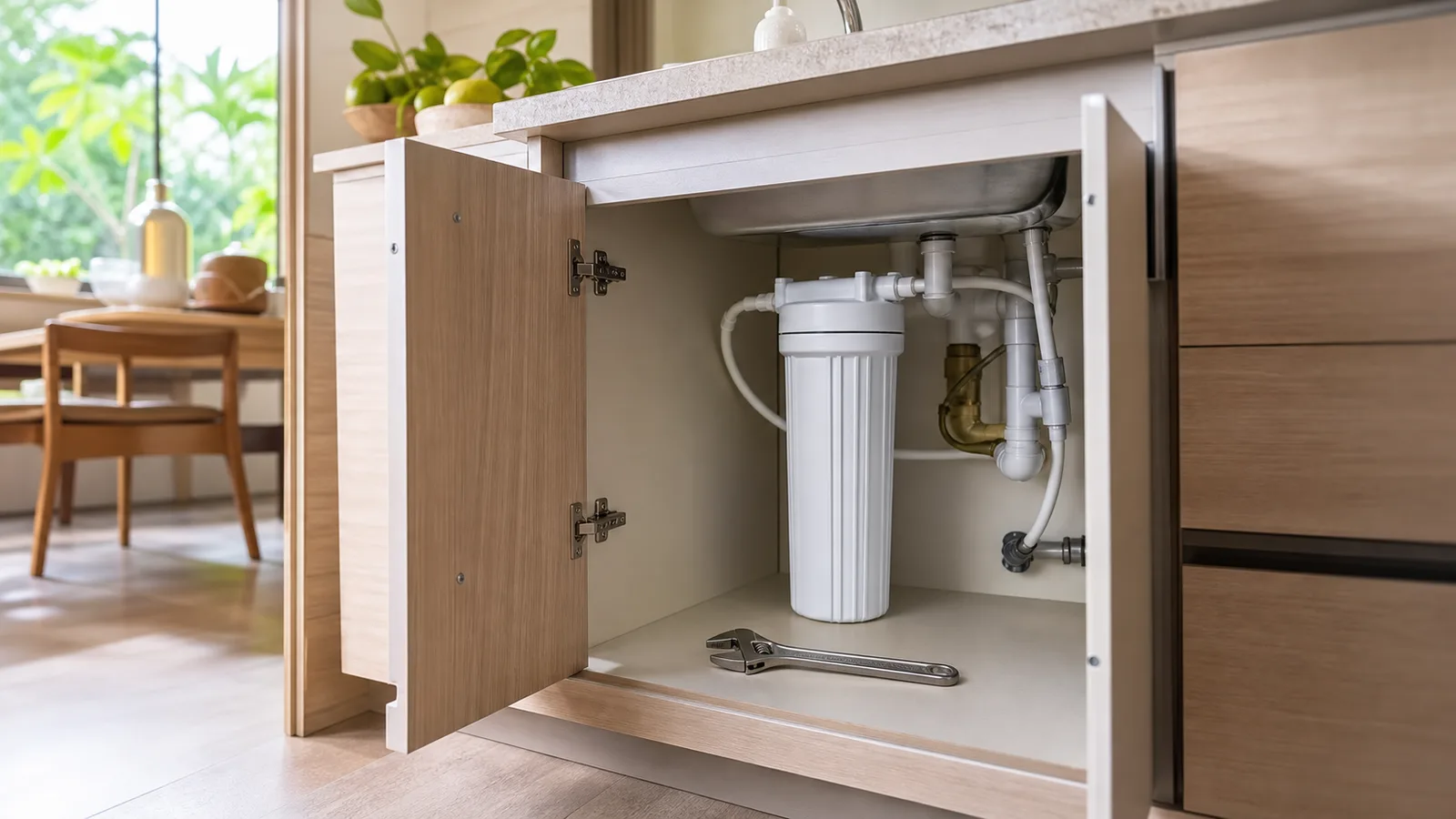
Filter life is quoted in litres, not months — and that is the honest unit, because a two-person household and a family of seven exhaust a filter at completely different rates. A machine that counts litres and tells you is doing you a favour; a calendar reminder is a guess. Turning that count into something a household actually follows is the job of a filter schedule built on litres rather than months.
The failure mode is gradual. A filter does not stop; it declines, and it declines slowly enough that the household adjusts without noticing. That is why the counter matters more than perception, and why the filter interval and price belong on your list of questions before purchase — as set out in how to read a water system spec sheet.
Signs a machine is being neglected
A realistic schedule
| Interval | Task |
|---|---|
| Daily | Run water through it — regular use is itself maintenance |
| Weekly | Wipe the exterior and the spout; check the hose |
| Monthly | Check the filter counter rather than waiting for a symptom |
| Per manufacturer | Replace the filter; deep-clean if your water is hard |
| Annually | Have it serviced if the warranty or manual calls for it |
None of that is demanding. The reason it gets skipped is that nothing goes visibly wrong when you do — which is precisely the argument for putting the filter check on a recurring reminder rather than trusting memory.
Follow your machine's own manual and the manufacturer's instructions, which take precedence over general guidance. This article is appliance information, not medical advice.
The version of this to ask before buying
Three questions, and a seller who cannot answer them plainly has told you something: what does a filter cost and how many litres does it last; what cleaning does the machine do itself and what falls to me; and who services it locally when it needs more than cleaning.
Those answers matter more over ten years than any specification on the front of the box.
Sources
Filed under
- Water Technology
- maintenance
- cleaning cycle
- scale
- filters
- water ionizer