
It is one of the first questions anyone asks at a demonstration, and it deserves a plainer answer than it usually gets.
Molecular hydrogen itself is odourless and tasteless. Dissolved in water at the concentrations these systems produce, it contributes essentially nothing to flavour. So the honest starting point is that the hydrogen is not what you would be tasting.
This article is about taste and everyday experience. Nothing here is a health claim, and nothing sold on this site treats, prevents or cures any condition.
What people actually report
Descriptions cluster around words like smoother, softer, lighter, less sharp. Almost nobody describes a flavour — they describe an absence of one, which is a different thing and a useful clue.
Everything else that changed in the same glass
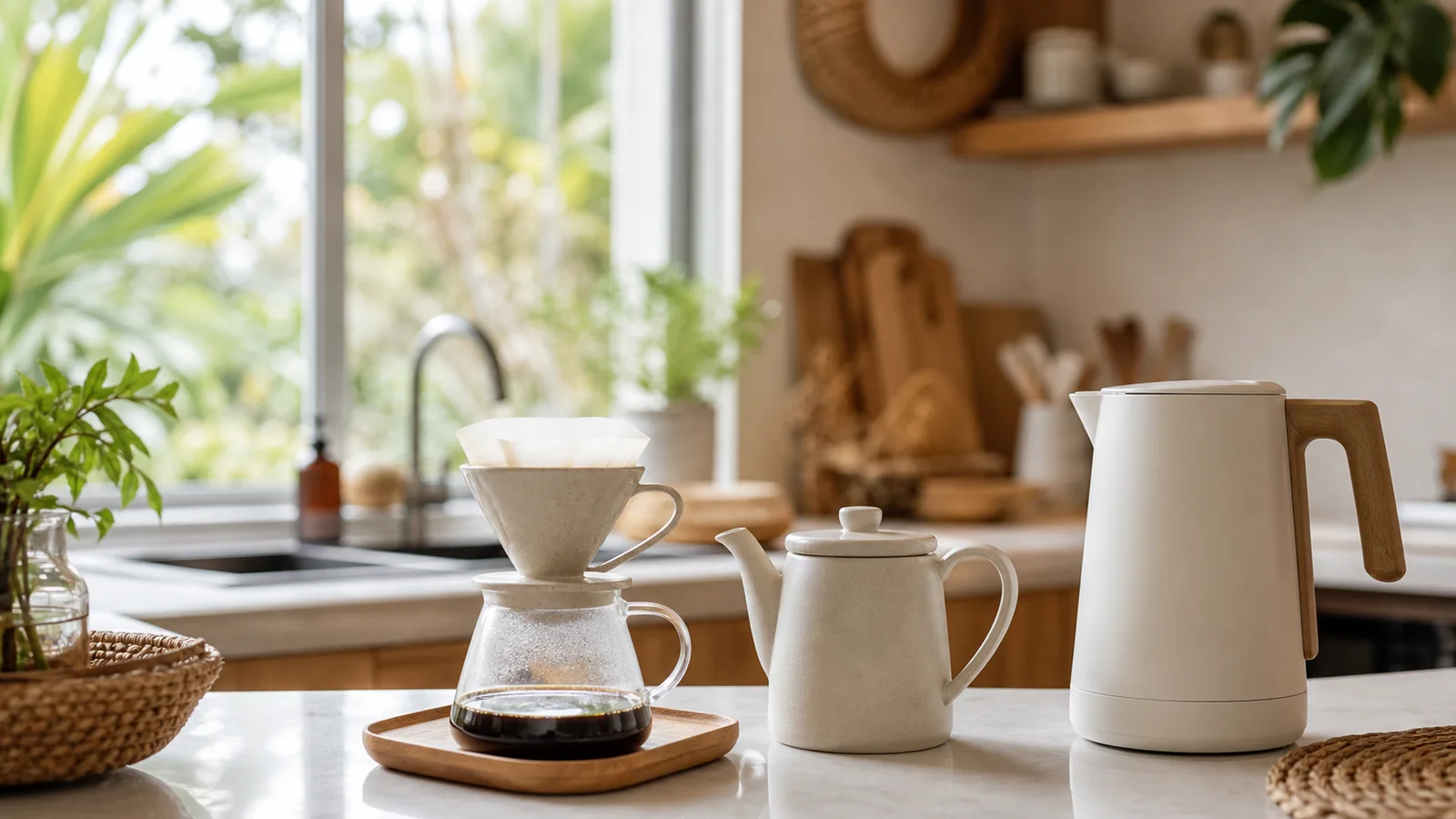
A glass from a home system differs from the previous glass in several ways at once, and only one of them is hydrogen.
Anyone attributing the whole difference to hydrogen has skipped four other explanations, at least three of which are larger.
The bubbles, and what they are not
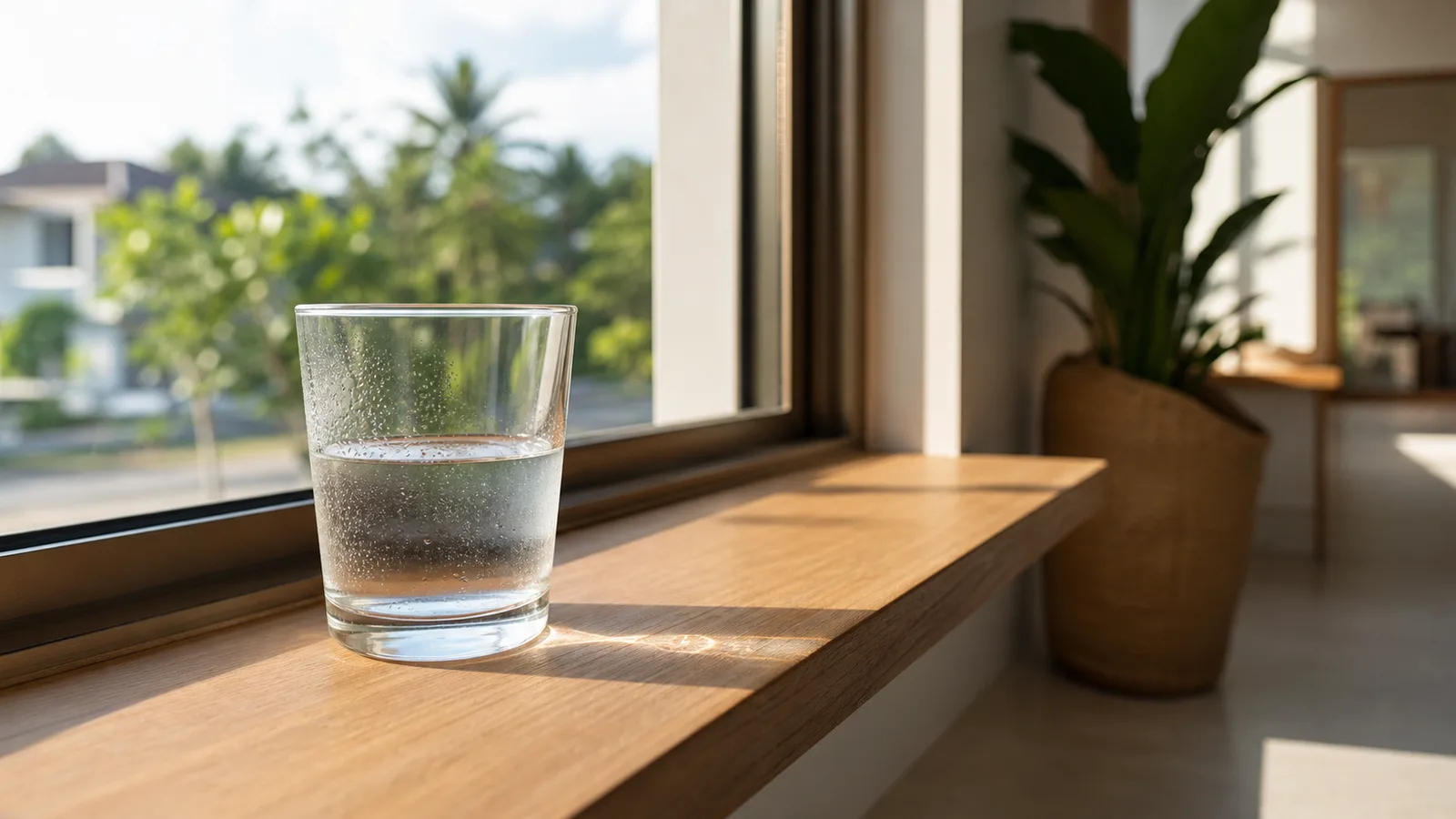
Freshly dispensed water from these systems often looks faintly cloudy or shows very fine bubbles clinging to the glass, clearing after a moment. That is dissolved gas coming out of solution, and it is the most visible thing about the process.
It is not a measure of anything. The cloudiness fades within seconds and so, more slowly, does the dissolved hydrogen itself — which is why the glass is best drunk soon after pouring, as set out in dissolved hydrogen fades.
How to test it honestly
- Same temperature. Let both samples sit until they match, or chill both.
- Same glass type, poured at the same time.
- Have someone else pour, so you do not know which is which.
- Compare against filtered tap water, not against bottled water from a warm shelf — otherwise you are testing filtration and temperature.
- Repeat it. One trial in either direction means nothing.
Most people who do this find a smaller difference than they expected, and find that the filtered tap water is closer than they thought. That is a useful result, not a disappointing one.
Why the question is worth taking seriously
Because taste is the reason a household actually drinks more water, and drinking more water is the one benefit here that nobody has to hedge. If a system means the family fills glasses from the kitchen rather than buying bottles, that is real regardless of what the sensory difference turns out to be.
And it is worth separating that from the claims. What the research does and does not support is covered in what hydrogen water research has and has not shown; taste is not evidence of any of it.
Sources
Filed under
- Hydrogen Water
- taste
- sensory
- expectations
- hydrogen water
- everyday use