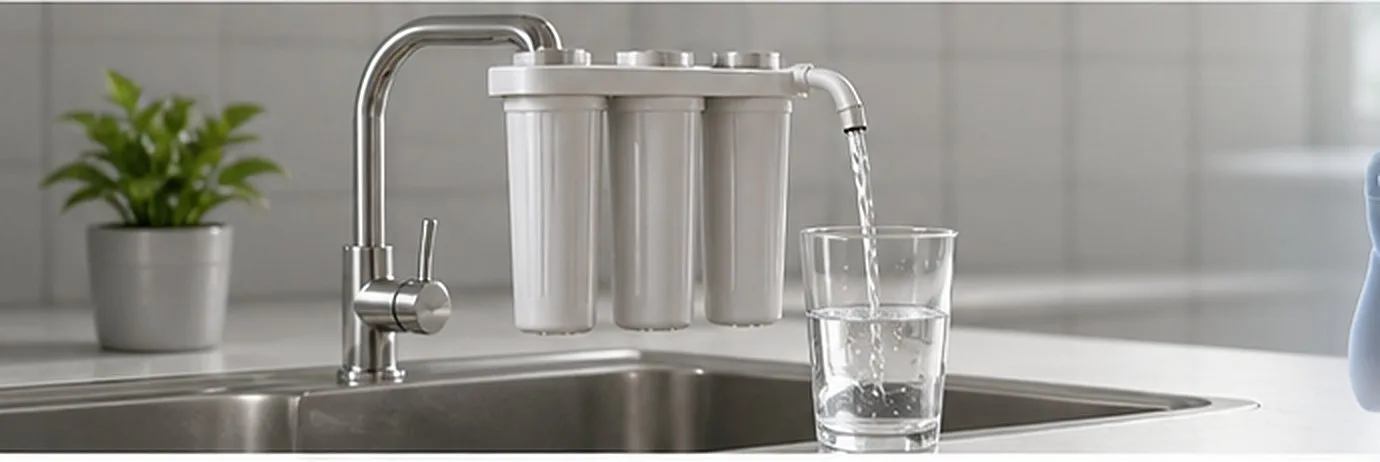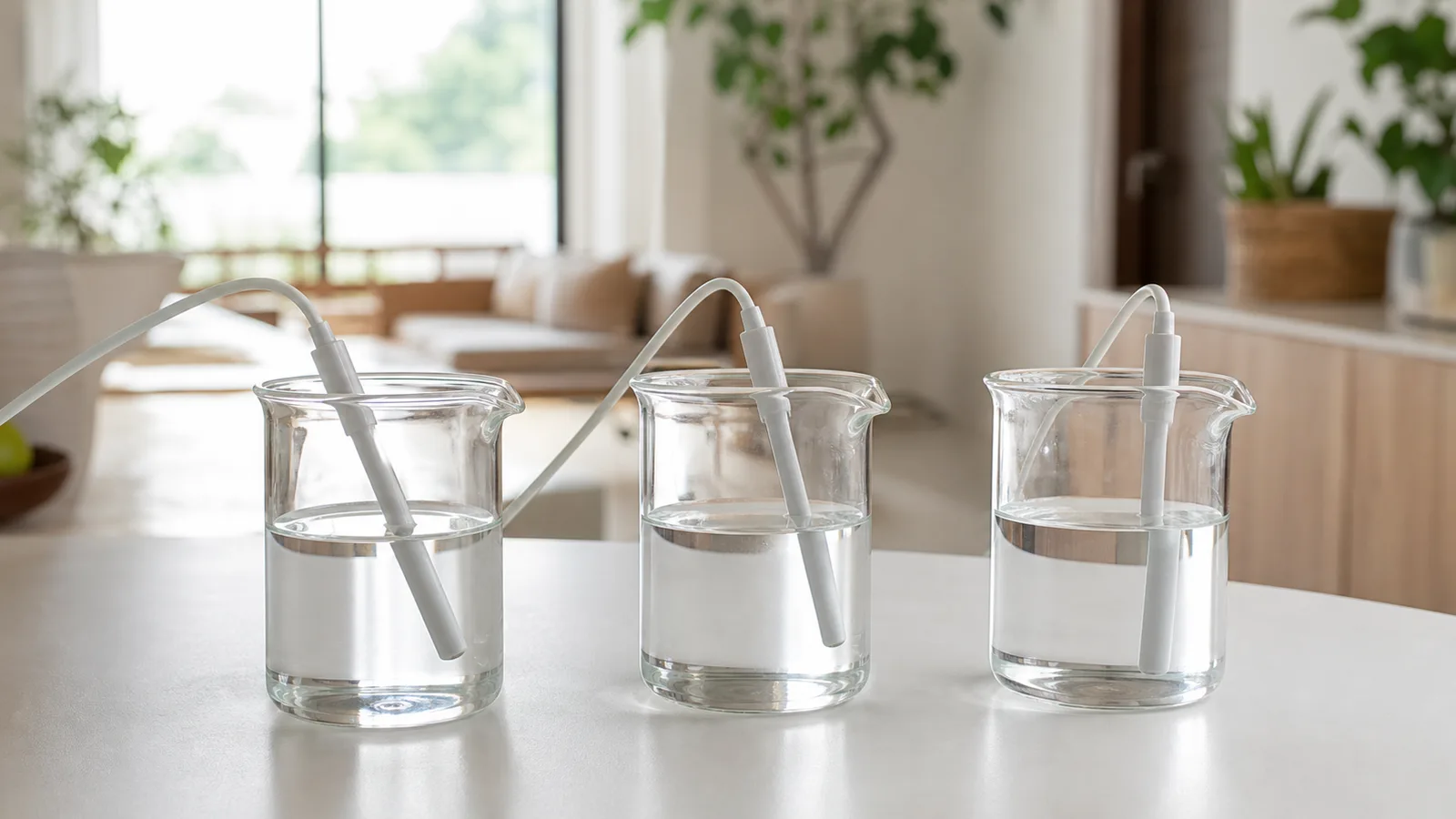
Electrolysis cannot produce one stream. Separating water at an electrode necessarily produces a complementary stream at the other, and on these machines that means acidic water comes out whenever alkaline water does.
Most households send it down the drain without thinking about it. That is a perfectly reasonable thing to do, and it is worth knowing what it is first — partly for the uses, and mostly so that nobody is sold something it is not.
The settings at the ends of the range are intended for cleaning and rinsing rather than drinking. Follow your machine's own manual on which setting is for what. Nothing here is a health, medical or sanitising claim.
What it actually is
Water at the acidic end of the range the machine produces. The catalogue quotes a span of roughly 2.5 to 11.5 pH across all five water types — that figure describes the whole range, not what comes out for drinking, which is a distinction unpicked in ORP and pH: what the numbers on the panel mean.
The mildly acidic setting and the strong acidic setting are different things with different intended uses, and the manual distinguishes them. The chemistry producing both is in electrolysis, explained.
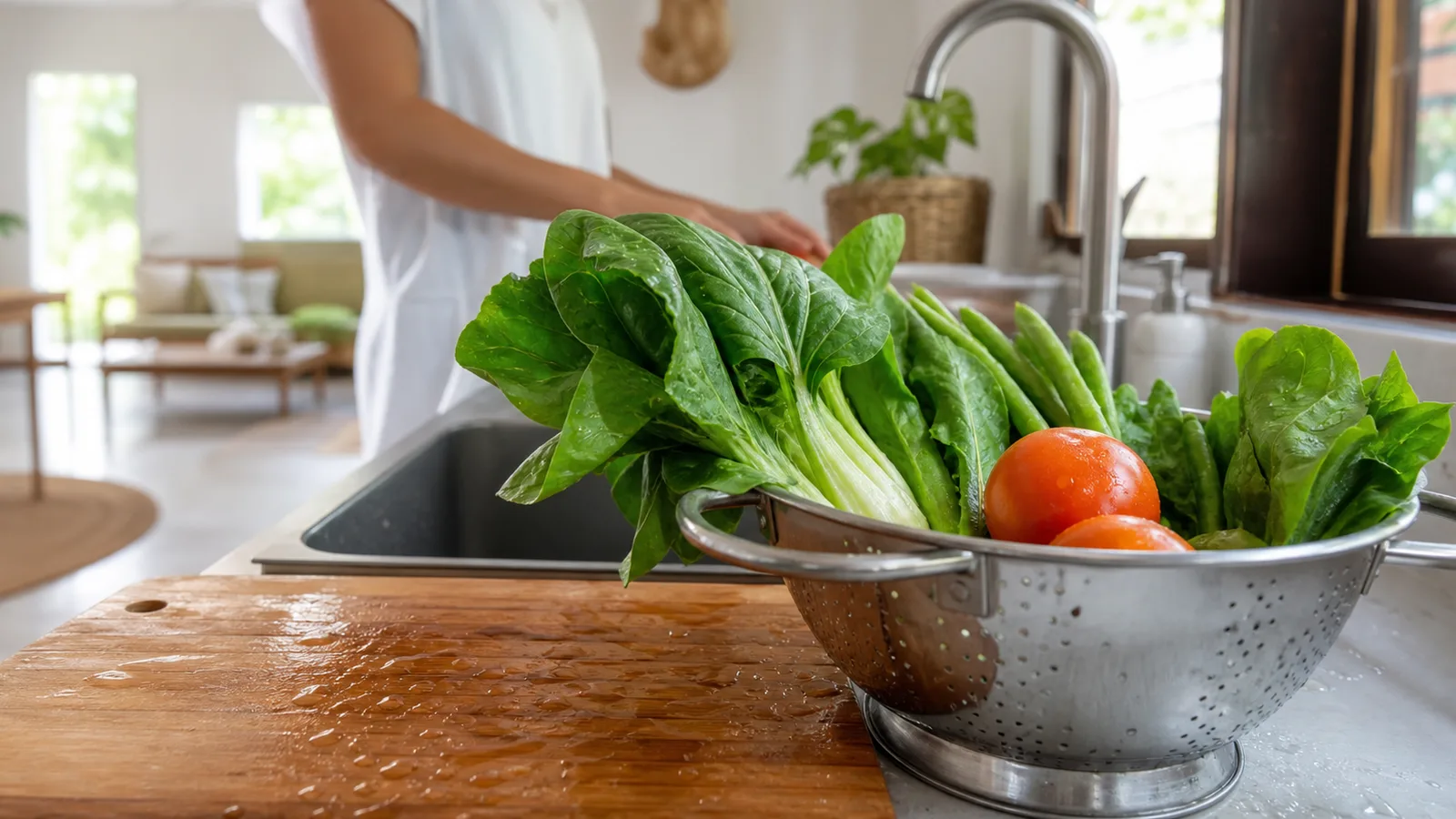
The uses households actually find for it
Notice what is not on that list: any claim about killing germs, treating skin, or replacing a disinfectant. Those claims circulate, they are not something this publication will make, and the ones about health are the sort of thing the checklist in common claims about hydrogen water, checked exists to catch.
What not to do with it
- Do not drink it. The settings at the ends of the range are not drinking settings, and the manual says so.
- Do not store it in metal, or leave it standing in a container you also use for drinking water.
- Do not use it on stone or unsealed surfaces without checking — marble and some tiles react to acidity.
- Do not treat it as a substitute for soap, detergent or disinfectant, none of which it replaces.
- Do not let a seller present it as a health product, which is where this subject most often goes wrong.
The part that belongs in the purchase decision
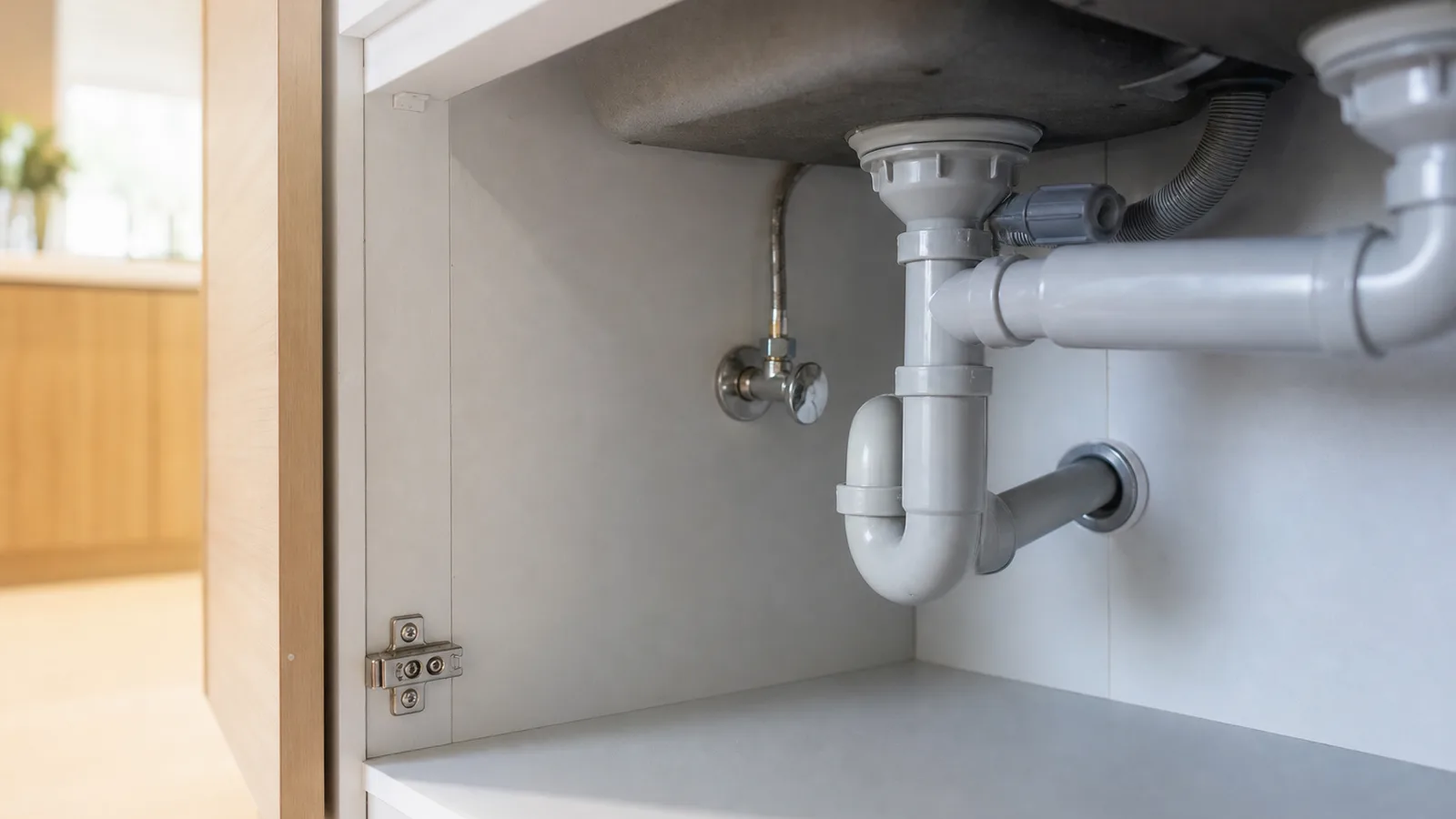
The second stream has to go somewhere, and that is an installation question rather than an afterthought. In a house it goes down the sink without comment; in a condo the drain connection needs to be made properly and usually approved — condo living: the constraints nobody mentions.
It also has a practical consequence for how much water the machine draws. If you are filling a large container of drinking water, an equivalent second stream is running at the same time — worth knowing when you are looking at flow rate figures, per flow rate, explained.
Households that plan for it end up using it. Households that do not, pour it away — which is the honest default and nothing to feel bad about.
Sources
Filed under
- Water Technology
- acidic water
- cleaning
- household uses
- installation
- electrolysis