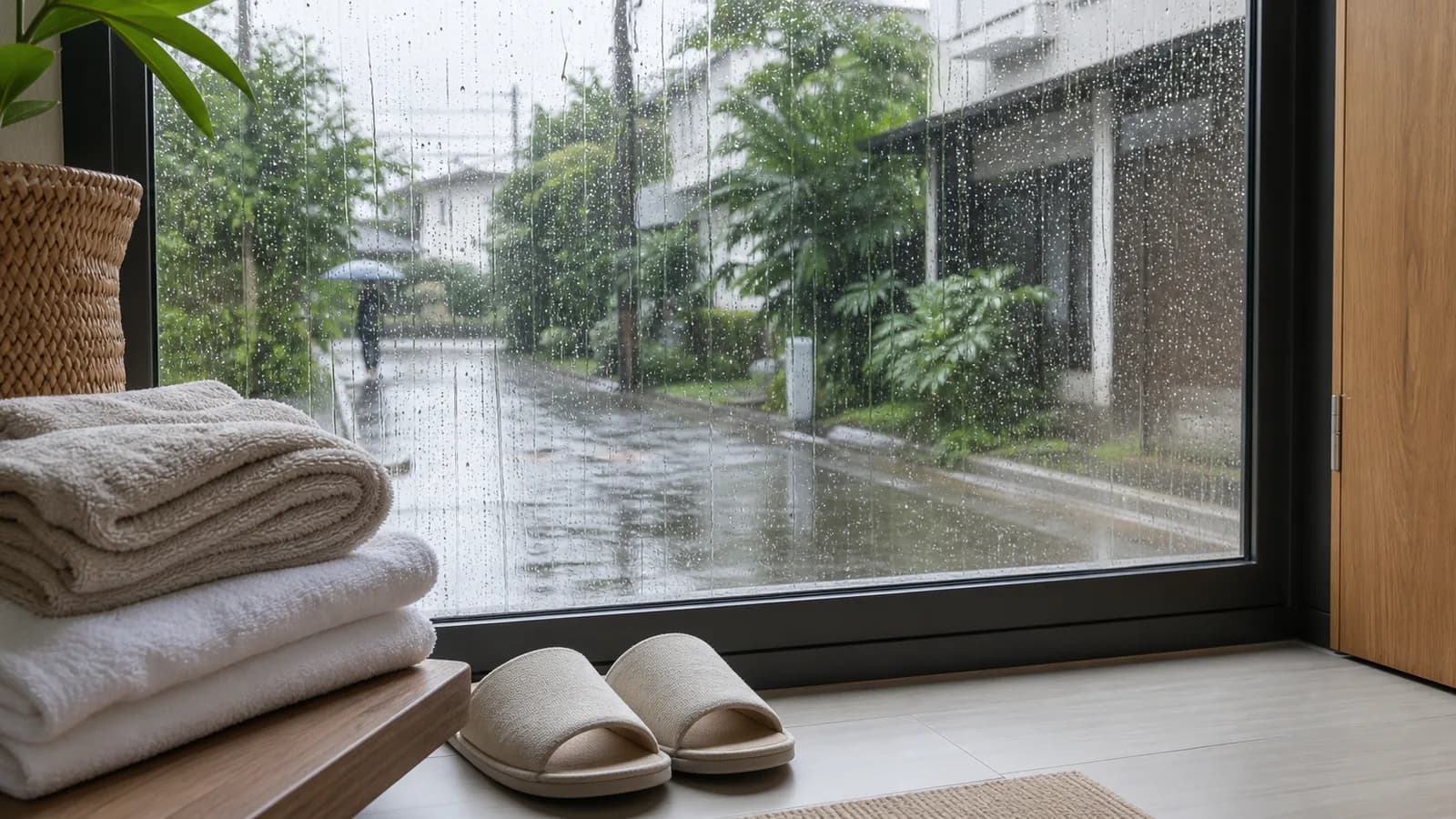
The rainy season is not an event, it is a season — and most households treat it as a series of surprises. The difference between a difficult wet season and an ordinary one is a handful of things done before it starts.
None of them are expensive. All of them are considerably cheaper than the repairs that follow from skipping them.
General home information. For storm warnings, evacuation advice and flood safety, follow PAGASA and your local disaster risk reduction office rather than an article.
The May checklist
Damp, which is the season's real cost
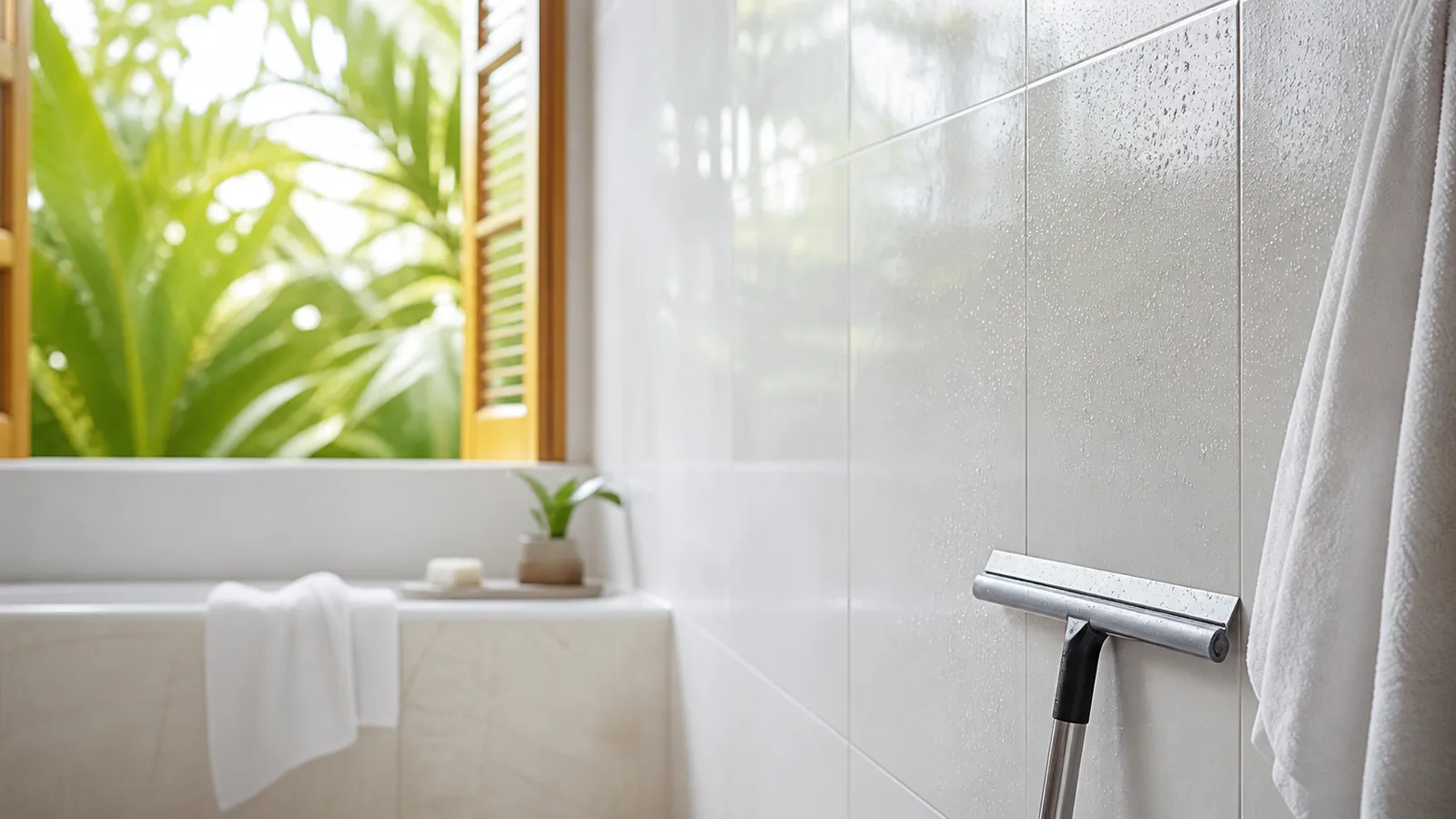
Not flooding, for most households. It is the slow version: humidity that never drops, a bathroom that never dries, a wardrobe against an external wall, and mould that appears in August on something that was fine in May.
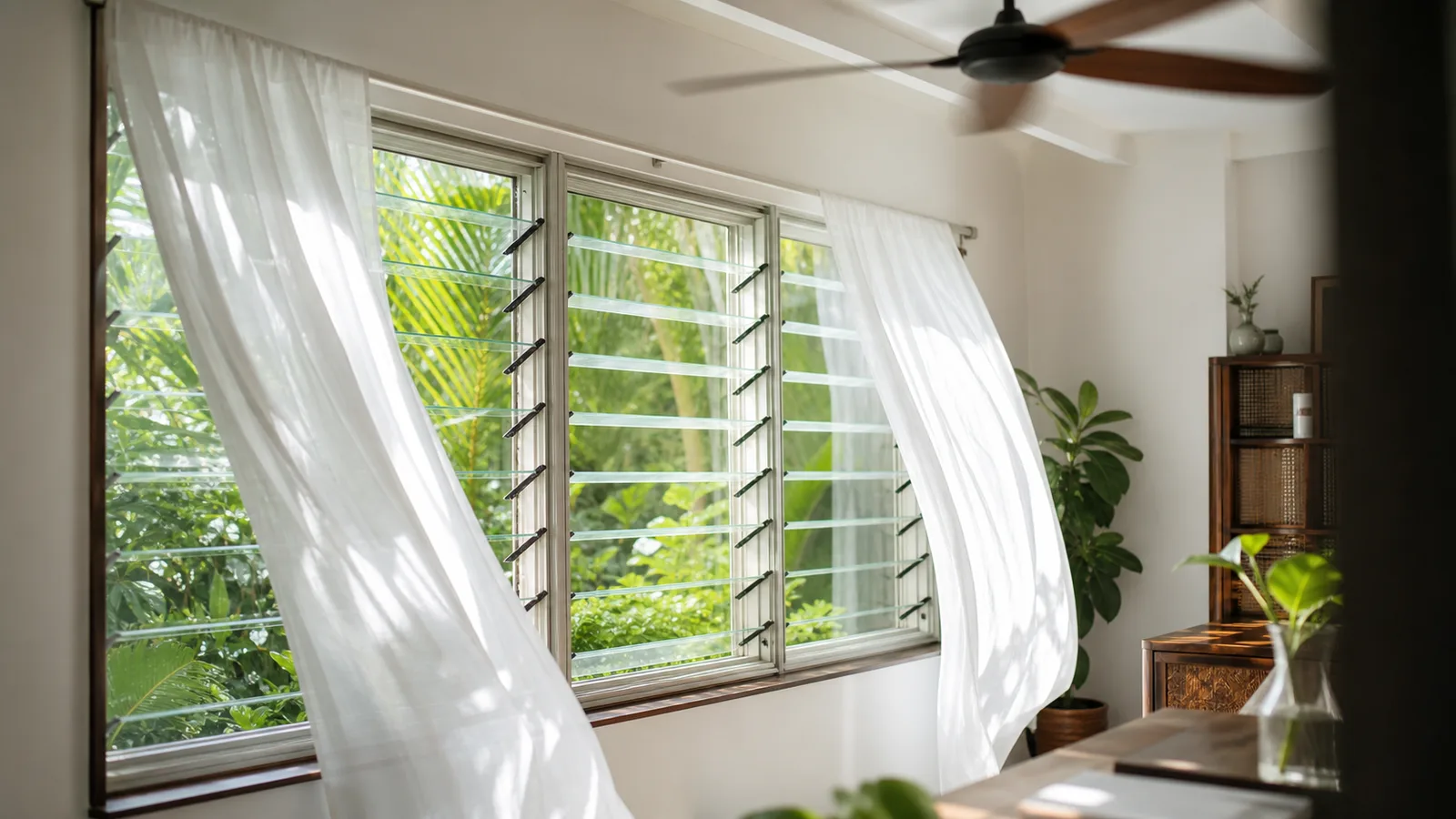
The counter-intuitive part is that the house wants airing even when it is raining. A shut house holds moisture, and ten minutes with windows open on a dry hour does more than a week of keeping everything closed — ventilation habits for a tropical house.
Drying clothes indoors, which nobody accounts for
A load of wet laundry drying inside puts a substantial amount of water into the air of a closed house, every day, for months. It is one of the largest indoor humidity sources in a Philippine home during the wet season and it is almost never counted.
The practical answers are unremarkable: dry in one room rather than spread through the house, with the window of that room open or a fan running, and with the door shut so the moisture does not distribute itself into the bedrooms.
Water and power
Supply interruptions and brownouts cluster in these months, and two things follow from that.
First, anything that depends on power and pressure is unavailable exactly when you need it — including a home water system, which is worth knowing before treating one as an emergency plan. The related pressure questions are in water pressure and what it means for appliances.
Second, after flooding or during a boil-water advisory the supply should be treated as unsafe until the provider says otherwise. Boiling is the accessible household treatment; most household filters are not rated for microbiological reduction and are not a substitute — what filters remove and what they do not.
The rest of it
- Hydration does not stop being a thing because it is cooler. Humidity stays high and sweat evaporates poorly regardless of the cloud — hydration in a tropical climate.
- Indoor air gets worse, because the house is shut and often damp — indoor air in an air-conditioned home.
- Mornings get darker and slower, which is a real thing and worth planning rather than fighting — slow mornings, realistically.
- The monthly ten-minute check is worth more in these months than in any other — a healthy-home checklist, room by room.
None of this makes a typhoon less serious. It makes the ordinary five months around the typhoons considerably less expensive, which is where most of the season's actual cost lives.
Sources
Filed under
- Lifestyle
- rainy season
- typhoon
- damp
- home
- philippines