Demonstrations are about the water. Ownership is about the routine — and the two have surprisingly little to do with each other.
Here is what households actually report changing, with the things that do not change stated just as plainly.
This describes practical ownership. It is not a health claim, and nothing sold on this site treats, prevents or cures any condition.
The delivery habit ends, and that is the big one
For most Philippine households this is the largest single change and it is logistical rather than anything else. No more waiting in for a delivery, no container running out on a Sunday, no five-gallon bottles occupying floor space in a unit that has none to spare.
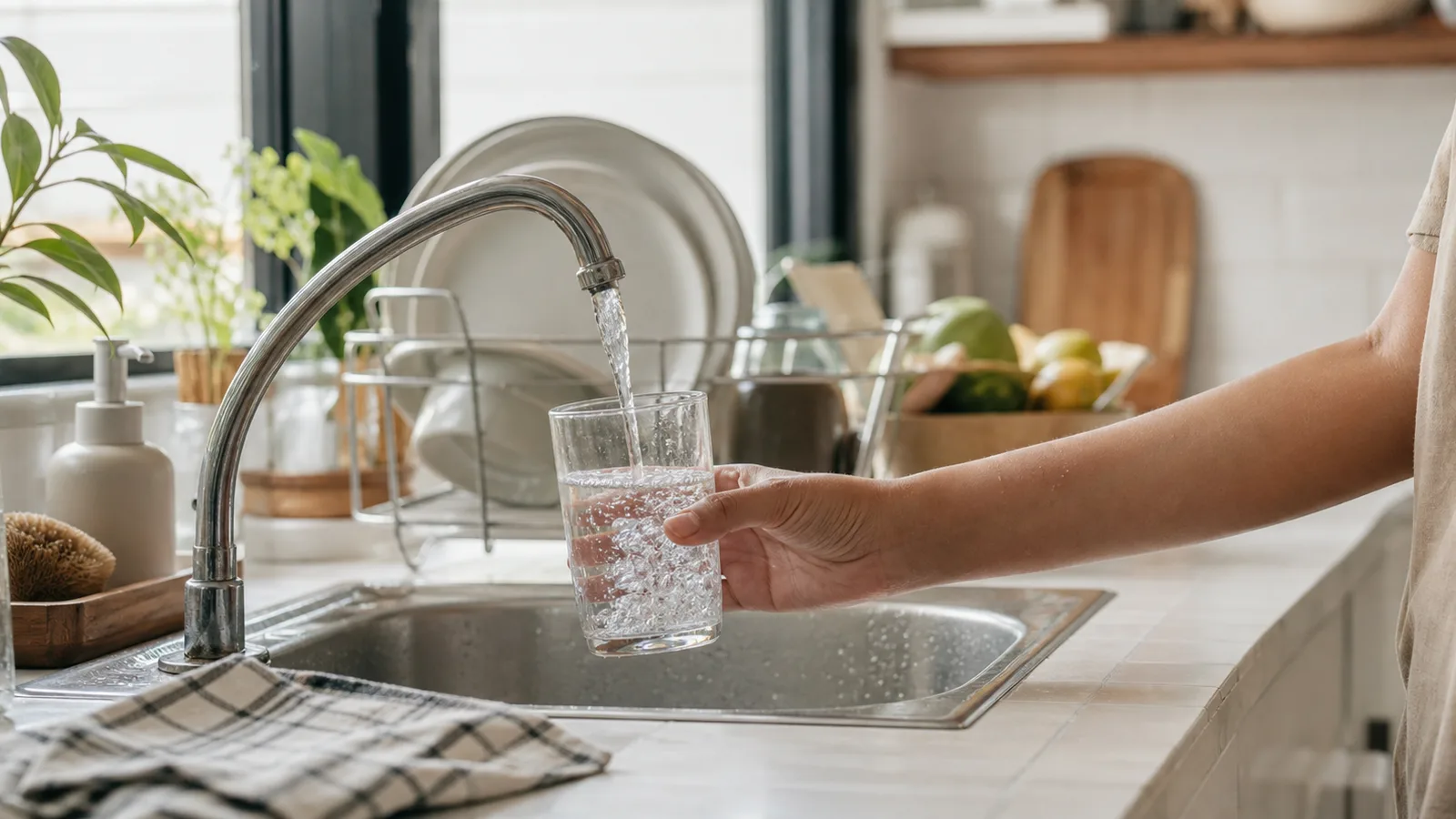
It also alters when people drink. Water that requires lifting a heavy container is drunk less than water from a tap, which is why household consumption usually goes up — not because of anything in the water but because the friction disappeared.
The counter, and the plumbing
A permanent object appears next to the sink, with a hose to the tap and a drain line. In a large kitchen this is unremarkable. In a condo it is a real trade against counter space, which is the argument in living well in a small space and under-counter or countertop.
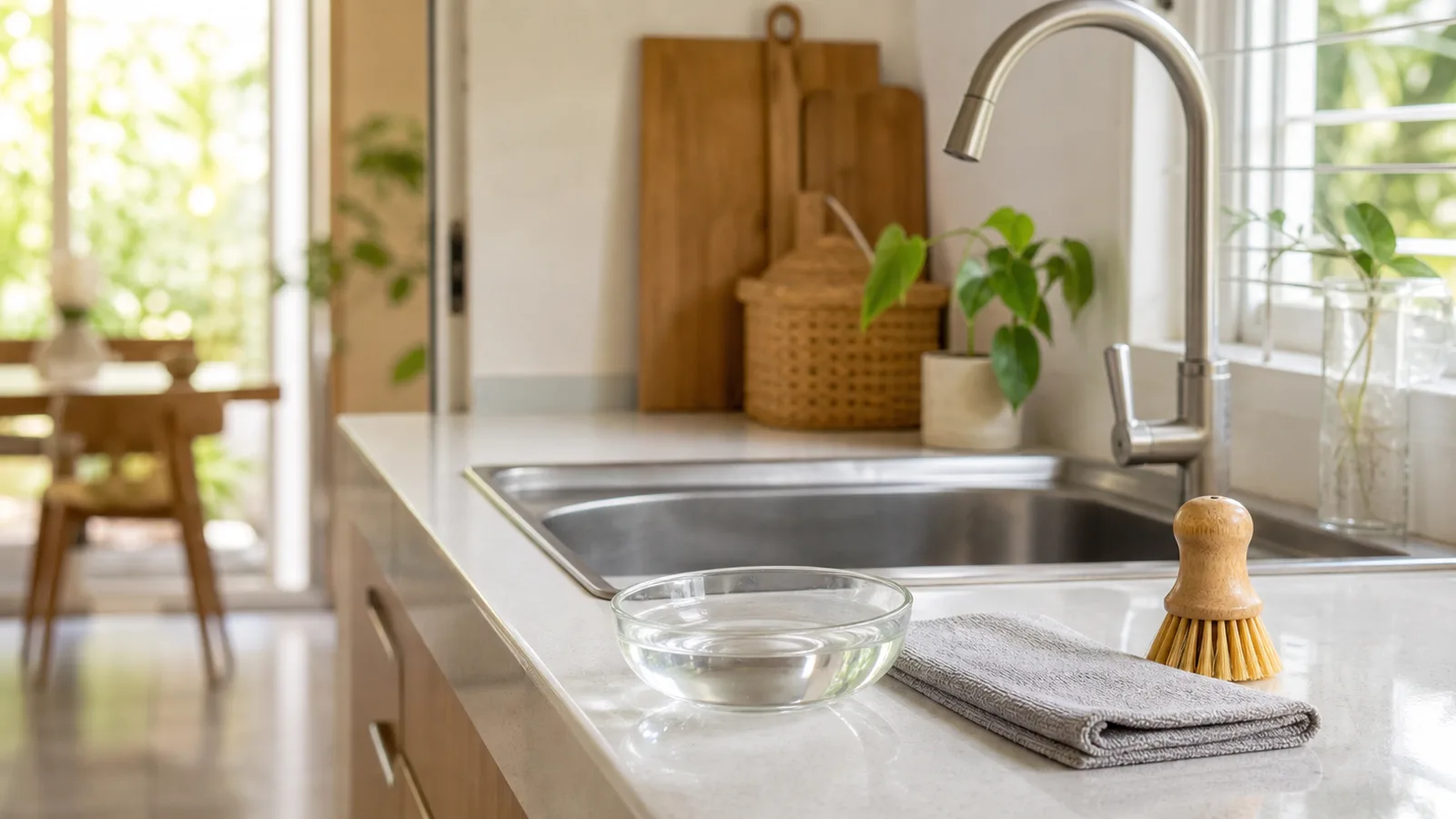
The second stream is the part people forget about until installation day: the machine produces acidic water at the same time as drinking water, and that has to go somewhere. Households that plan for it end up using it; households that do not simply pour it away.
Which settings get used
Two, in most homes. One for drinking and one for cleaning, with the rest touched occasionally in the first month and rarely afterwards.
This is not a criticism of the machine — it is what a preset count means in practice, and it is worth knowing before paying for more of them. The fuller argument is in panels, presets and voice guidance.
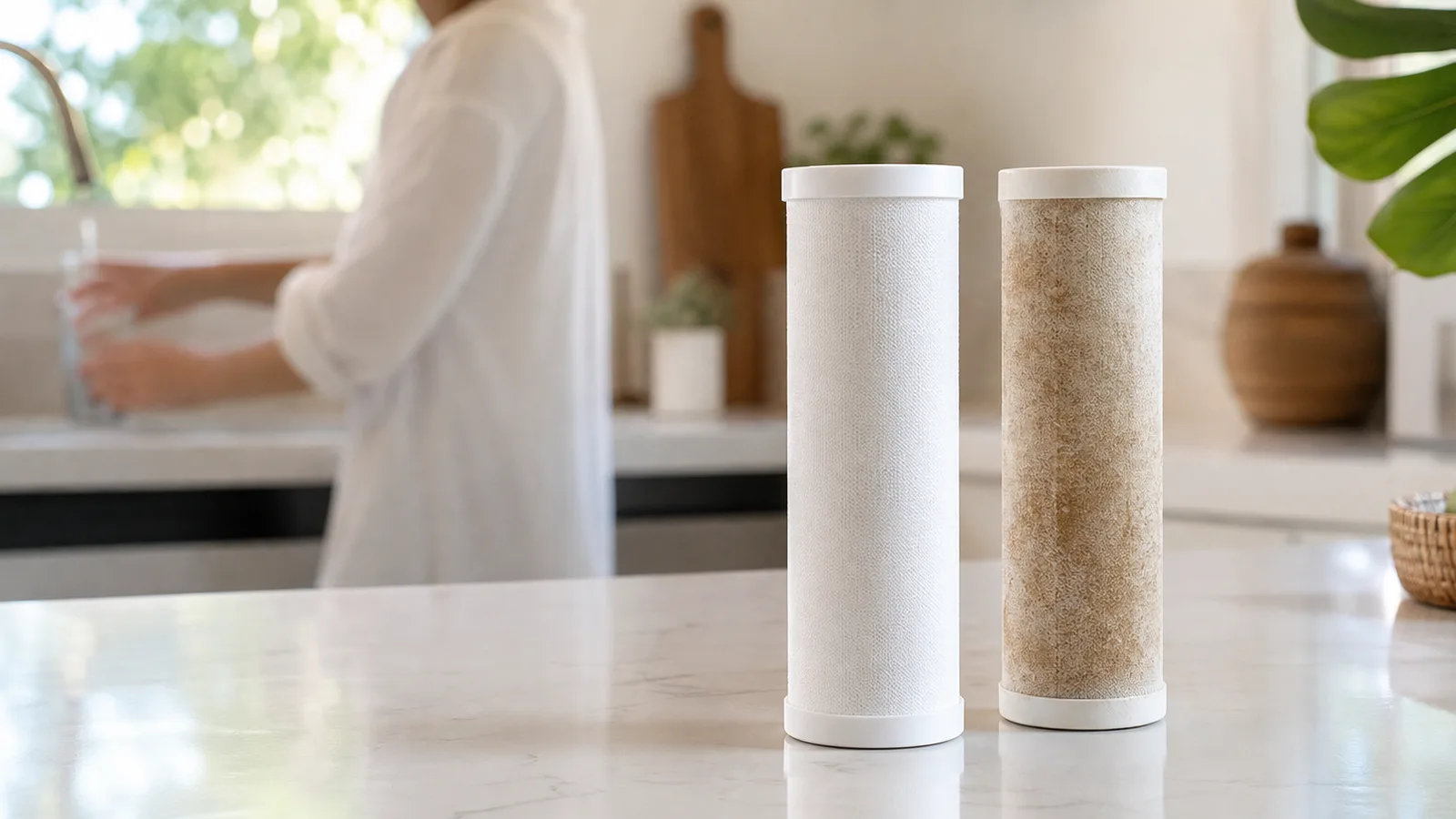
The maintenance nobody mentions at the demo
What does not change
Cooking, mostly. Water that gets heated loses its dissolved gas immediately, so rice and soup are unaffected in any respect that matters — hydrogen water and cooking.
Bottled water on the road, unless someone fills a bottle before leaving, and even then the dissolved hydrogen fades through the day — storing hydrogen water.
And anything health-related, which remains exactly where the evidence leaves it: preliminary, small-sample and unsettled, as set out in what hydrogen water research has and has not shown. A household that buys one expecting a change they can feel is buying against the evidence rather than with it.
Sources
Filed under
- Hydrogen Water
- daily use
- household
- routine
- ownership
- practical