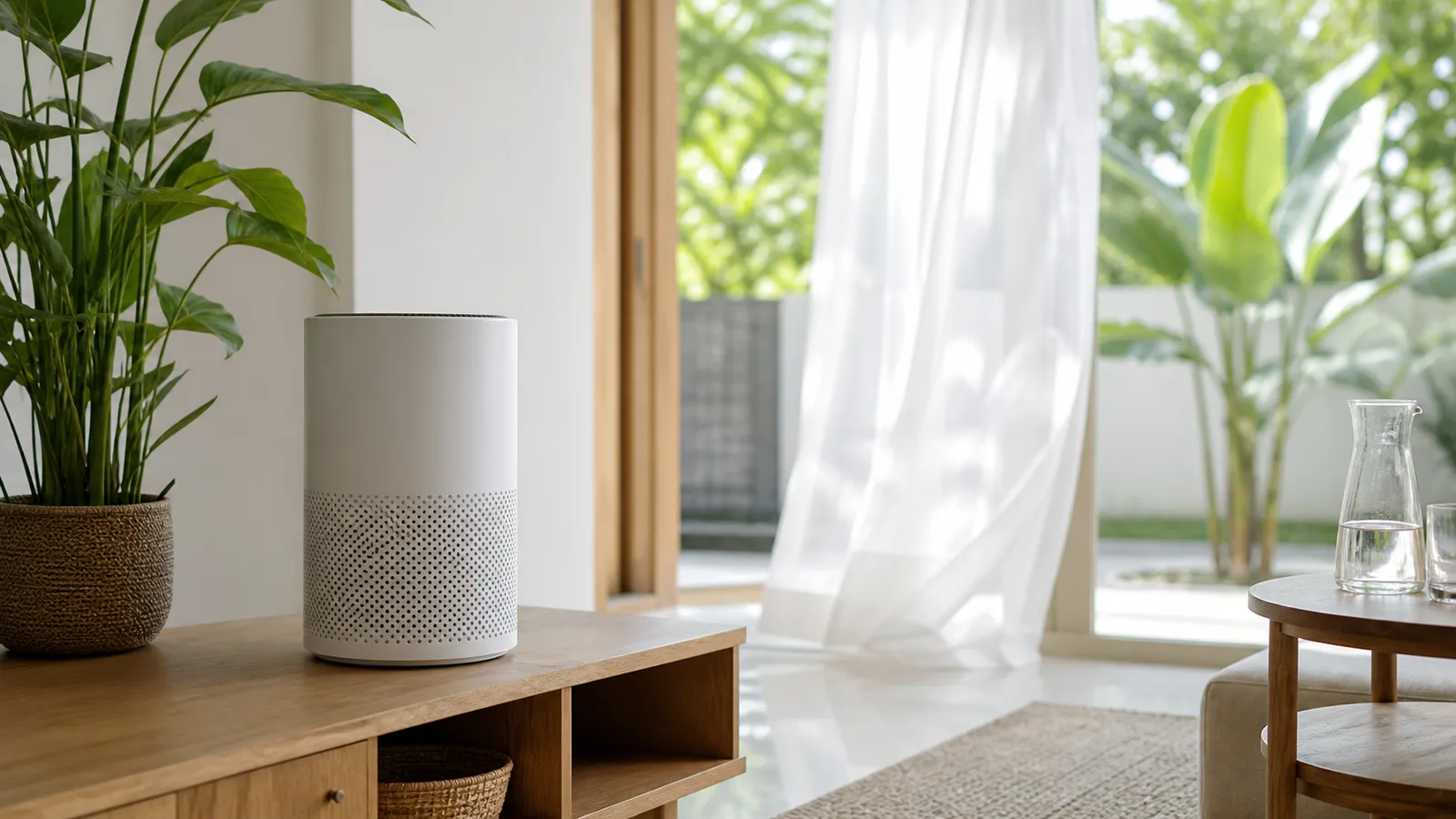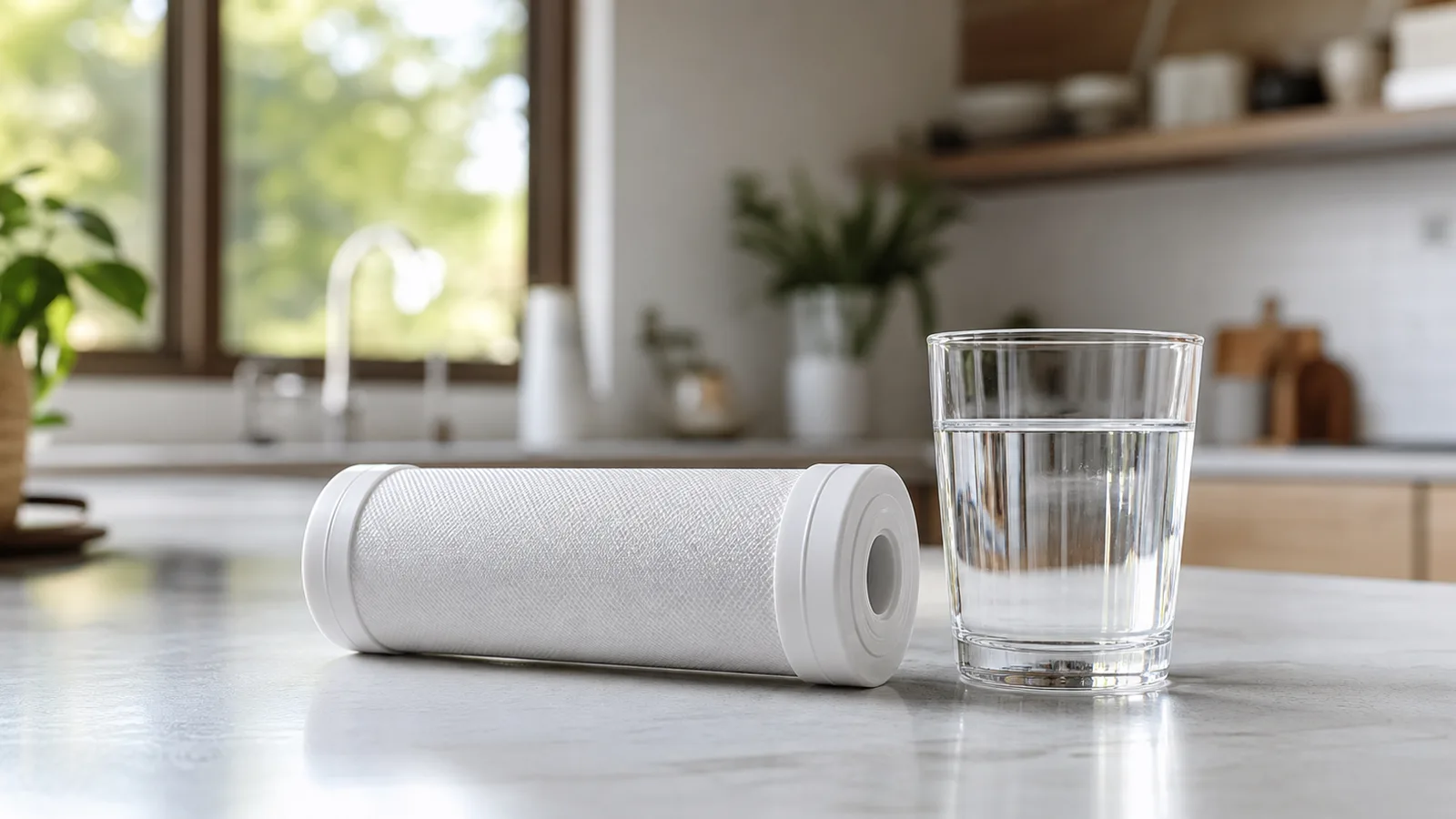
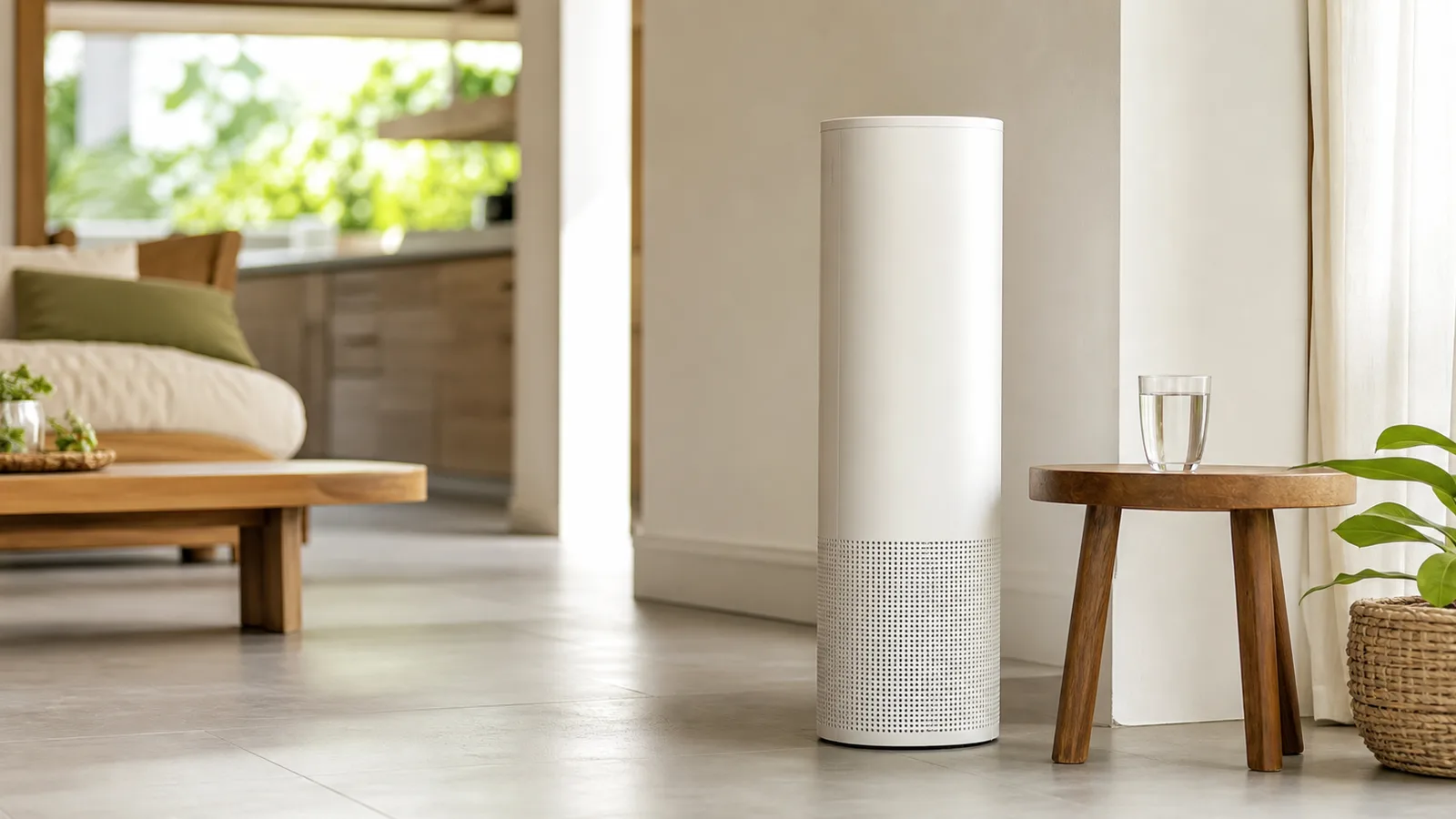
"Home purification" is a shelf in a showroom, not a category in engineering. Air and water are different media, carrying different problems, addressed by unrelated mechanisms — and a household that buys them as a set usually solves one problem it had and one it did not.
It is worth taking them apart, because the questions that decide each are entirely separate.
General information about household equipment, not medical advice. Neither type of device treats, prevents or cures any condition, and nothing here should be read as a health claim.
What each one actually addresses
What neither of them does
This is the more useful list, because it is where the expensive mistakes are made.
An air purifier does nothing about humidity, damp, mould behind a wardrobe, cooking smells at source, or the fact that a room is never opened. Those are the actual air problems in most Philippine homes, and they are solved by ventilation and maintenance rather than by a machine — what air purifiers can and cannot do and damp, mould and the bathroom that never dries.
A water filter does not soften water, does not make unsafe water safe unless specifically rated for it, and gives no indication when it has stopped working — what filters remove and what they do not and filter maintenance: the schedule people forget.
Working out which, if either
- Name the actual complaint. Dusty room? Water that tastes of chlorine? A smell? A visible particle problem? Each points somewhere different.
- Check whether ventilation solves it, which is free. Ten minutes of open windows beats an hour of recirculated air — ventilation habits for a tropical house.
- Test the water before buying anything for it — hardness and chlorine cost almost nothing to check — home water testing.
- Size to the room, or to the household's litres. Both categories are frequently bought in the wrong capacity.
- Price the consumables over five years, which usually exceeds the device.
For a specific reason — a household member with a respiratory condition, a road-facing unit, a supply with a known problem — one or the other may be genuinely worth having. For general reassurance, neither is, and that is worth saying on a site that sells both.
The third device in the same showroom
Electromagnetic wave protection sits on the same shelf and belongs to a third, separate question again — not air, not water. What is and is not established there is covered in EMF at home, and the honest position is the same: it addresses a specific stated concern, and it should be judged on its own terms rather than bundled into "purification".
The summary
Judge each purchase against a named problem in your own house, one at a time. A showroom that presents them as a system is describing a product range rather than a diagnosis.
And do the free things first. Most household air complaints are ventilation, and most water complaints are chlorine — both of which are cheaper to fix than either device — a healthy-home checklist, room by room.
Sources
Filed under
- Water Technology
- air purifier
- water filter
- comparison
- buying guide
- household