Almost all household water advice is about the tap you leave running while brushing your teeth. That habit is worth having and it is a small fraction of a household's total — small enough that fixing it while ignoring the rest achieves very little.
Where the water actually goes is unevenly distributed, and knowing the distribution is what makes the effort worth spending.
Where it goes
Drinking water — the subject of most of this publication — is a rounding error in that list. Roughly two litres a person a day against hundreds for everything else.
Leaks, which is where to start
A slow leak runs continuously, and continuous beats occasional every time. A dripping tap or a toilet that seeps into the bowl can waste more in a month than a year of shorter showers saves.
The commonest hidden one is a toilet flush valve. Drop a little food colouring in the cistern, wait twenty minutes without flushing, and look in the bowl. Colour means it is leaking continuously.
The second-commonest is under a sink, which is also where a slow leak does the most damage to the house before anyone notices — a healthy-home checklist, room by room.
The habits worth having
- Shorter showers, which is the largest habit-based saving available and the least popular one.
- Full loads only, for laundry and dishes. Half-loads are the same water for less work done.
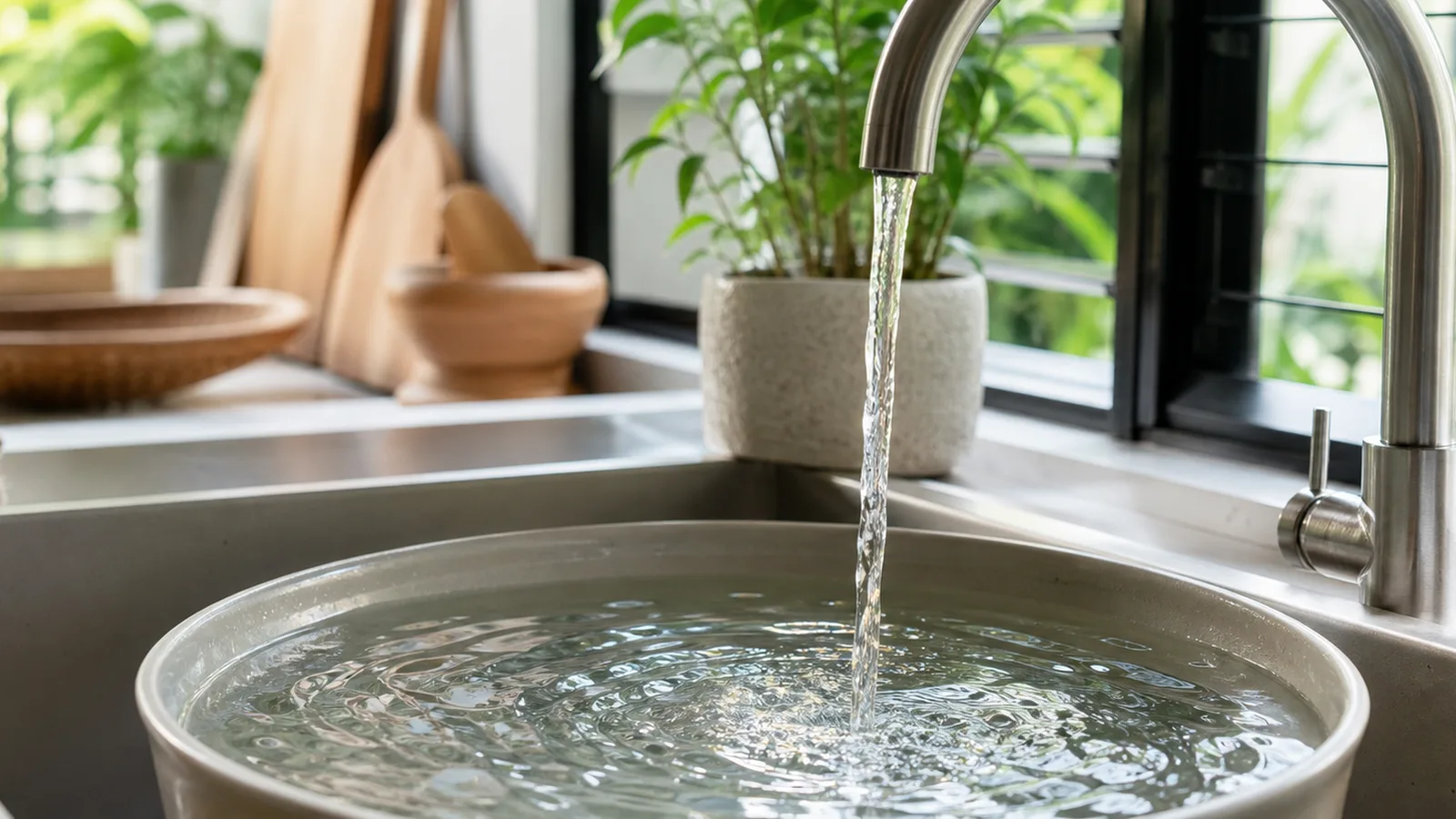
- Catch the warm-up water. A basin under the tap while the shower heats collects usable water every single day — for plants, for cleaning, for the toilet.
- Sweep rather than hose outdoor areas.
- Fix the small things immediately, because a drip is a decision to keep paying.
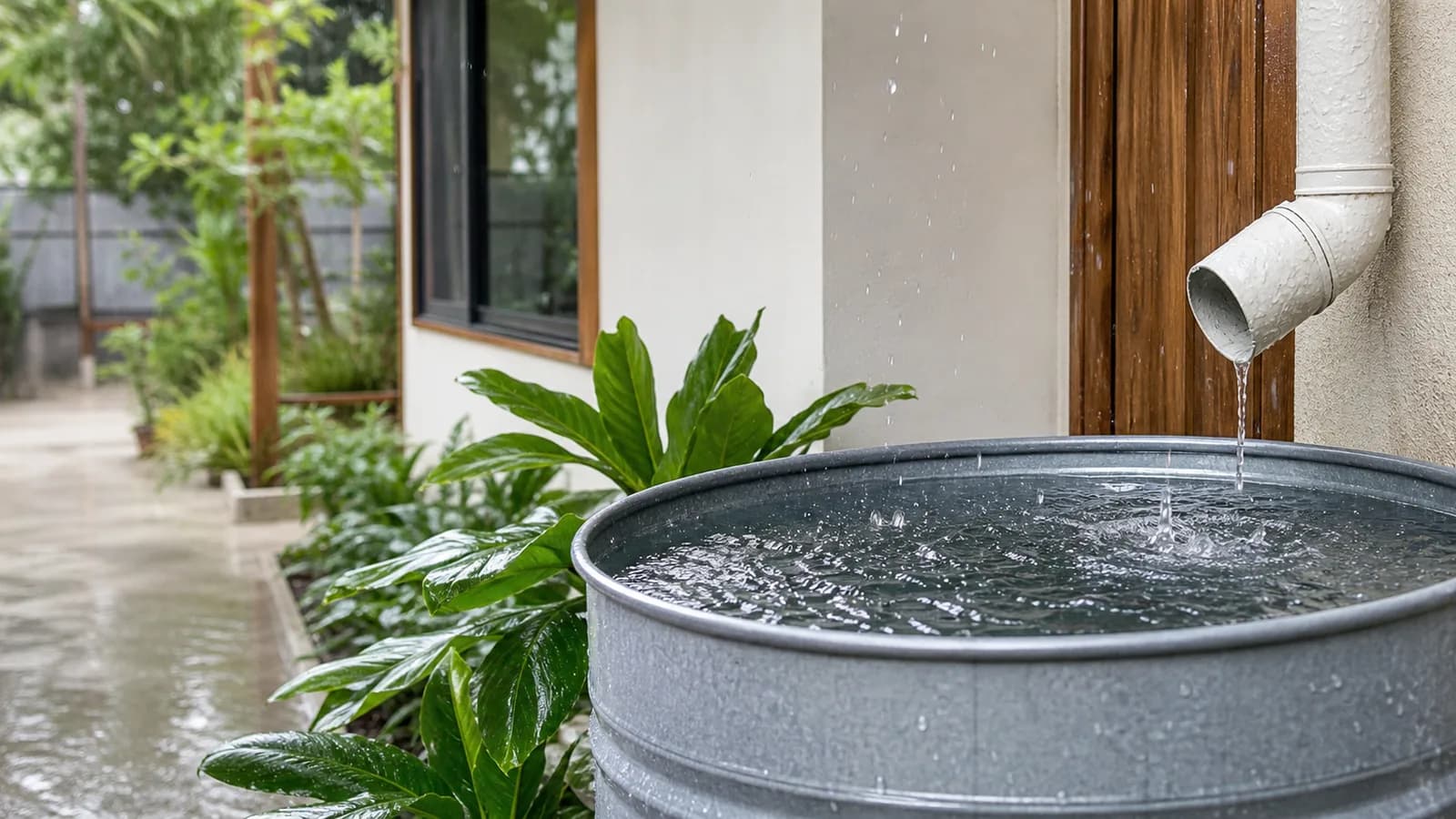
Rainwater is the other obvious source here, and in a country with this rainfall the constraint is storage and use rather than availability — rainwater and what a household can honestly use it for.
The Philippine context, which changes the framing
In much of the world conservation is framed environmentally. Here it is often more immediate: supply interruptions, seasonal shortages and pressure that drops at peak times mean stored water and careful use are practical matters rather than virtuous ones.
That makes two things worth doing regardless of any environmental argument: keeping a modest, properly stored reserve — storing drinking water safely at home — and knowing your supply's behaviour through the day, which the one-litre timing test answers in five minutes — water pressure and what it means for appliances.
And the machine in the kitchen
Worth stating rather than skipping. A water ionizer produces two streams, so filling a litre of drinking water also produces a quantity of acidic water. On a metered supply that is a real, if modest, additional draw.
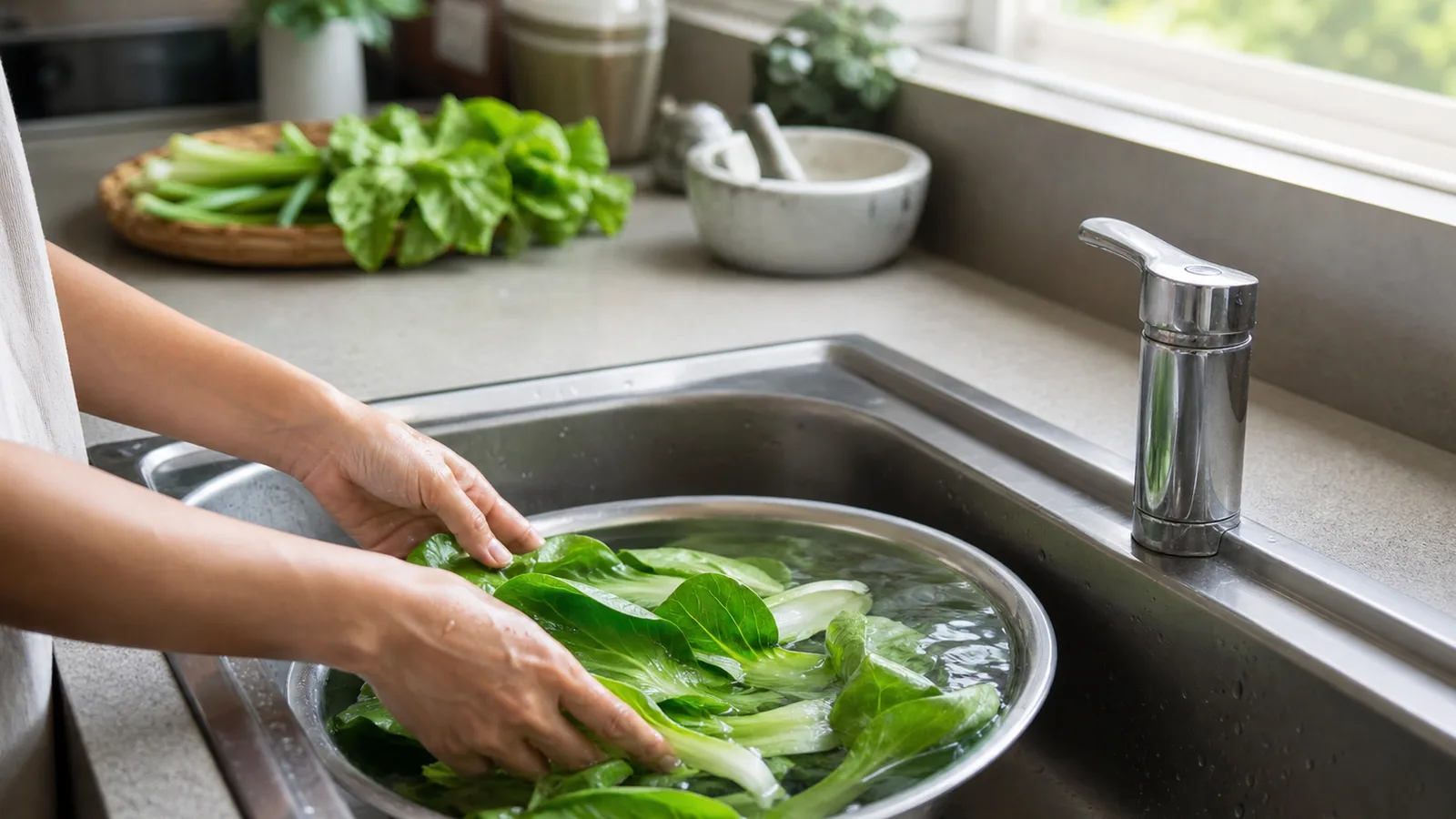
The reasonable response is not to feel bad about it but to use the second stream rather than pour all of it away — rinsing produce, wiping surfaces, watering suitable plants — which is exactly what the second stream: acidic water and its household uses is about. A household that plans for it recovers most of the difference.
General information. Figures for household water use vary widely by country, climate and home; check your own meter rather than relying on averages.
Sources
Filed under
- Sustainable Living
- conservation
- leaks
- bathroom
- supply
- philippines