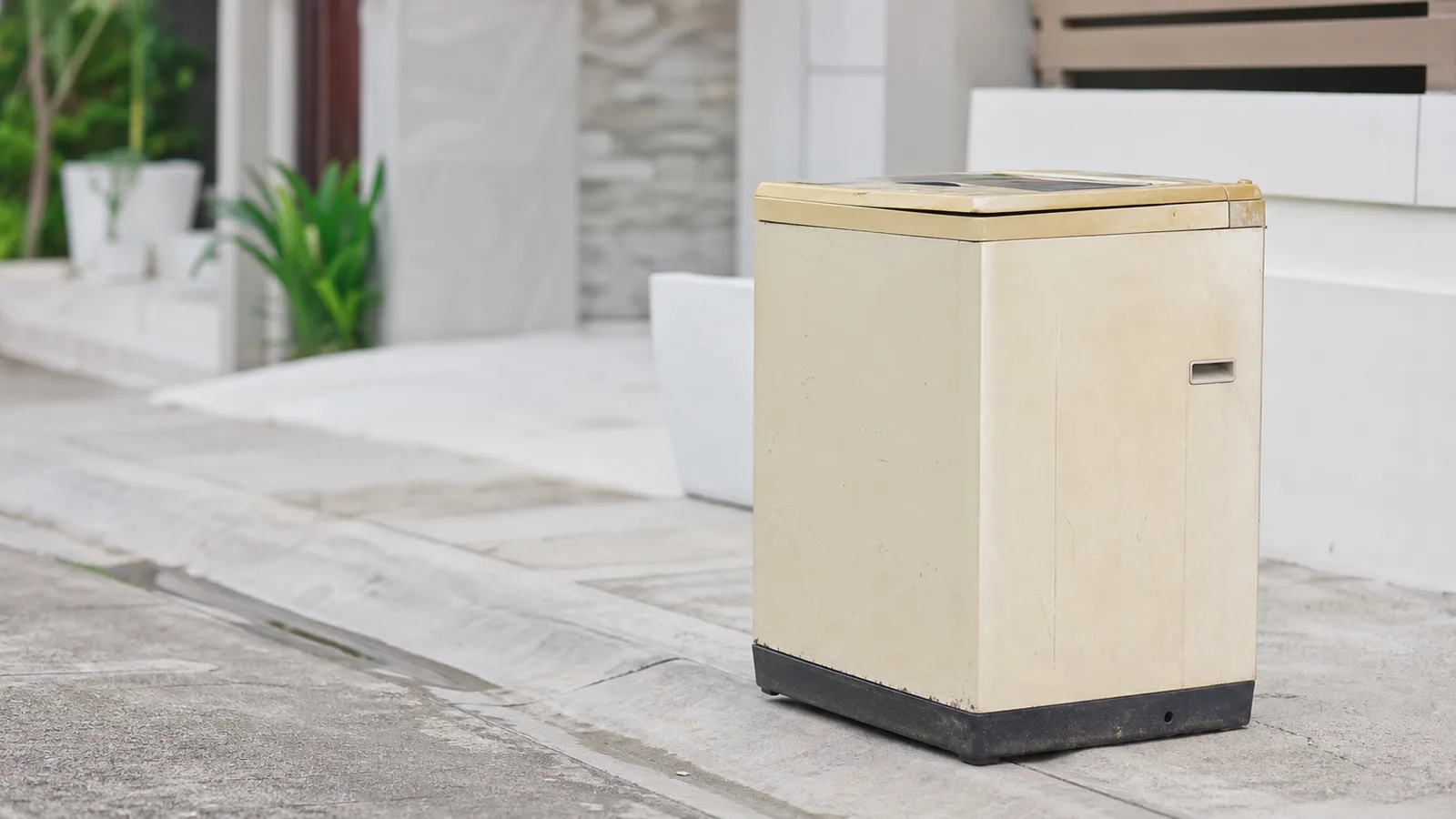
Every appliance discussed on this site will eventually stop working, and what happens at that point is the part nobody plans for. The default — it sits in a corner for two years and then goes out with the rubbish — is the worst available outcome and the most common one.
The alternatives are ordered, and most of them are better the earlier you consider them.
One: is it actually finished?
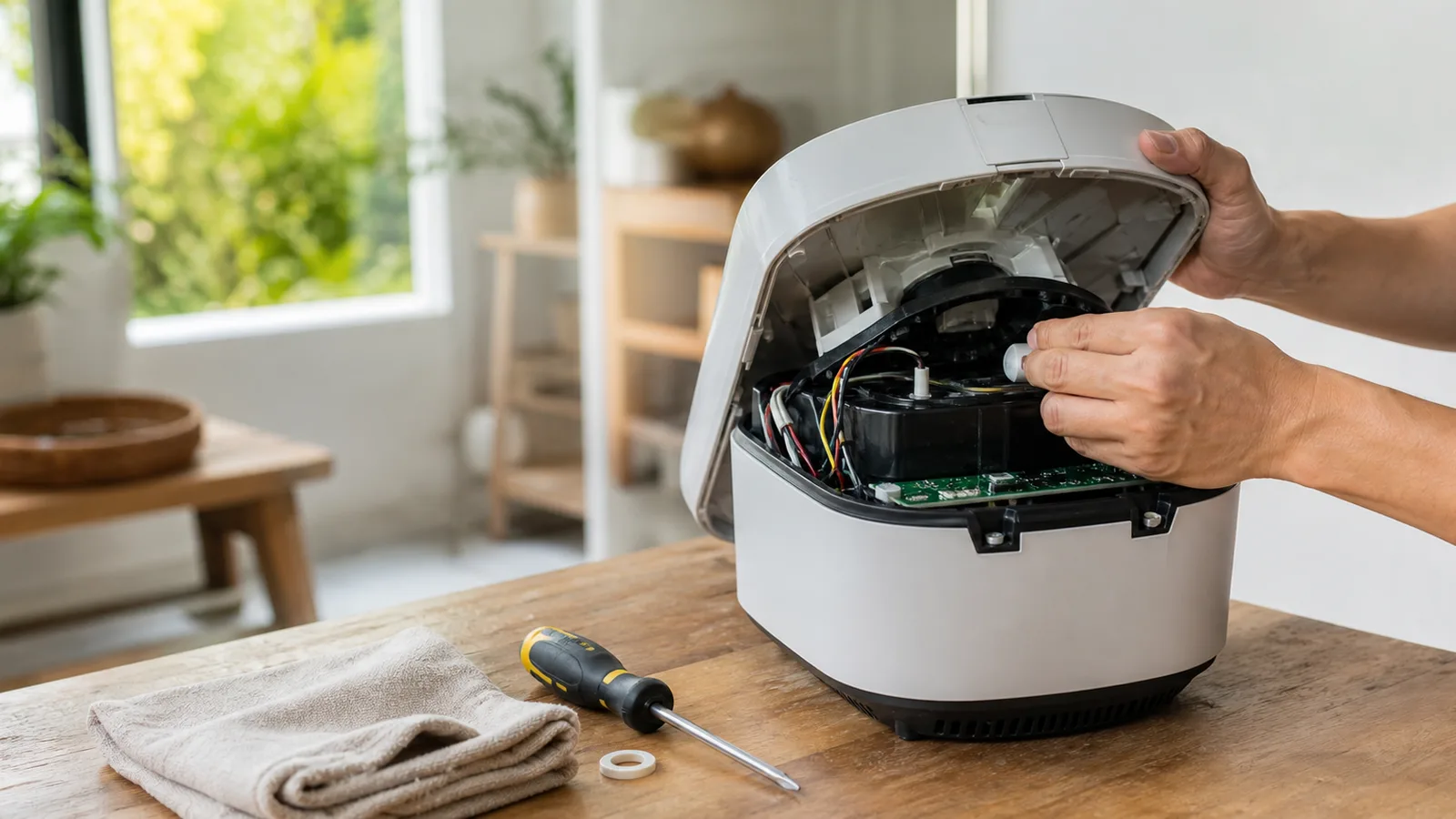
A surprising share of "dead" appliances have one failed component. In the Philippines the repair trade is still alive in a way it is not in many countries, which is a genuine advantage worth using.
The decision framework — when a repair makes sense and when it does not, including the honest exception for old, inefficient refrigeration — is in repair over replace. If it is still under warranty, that is a different route again, and one people forget to check — warranty and service.
Two: the disposal ladder
The rules, briefly
Electronic waste is regulated in the Philippines rather than being an ordinary household discard, and local government units handle solid waste under RA 9003. Many barangays and cities run periodic e-waste collections, and some retailers and manufacturers accept old units back.
The practical instruction is to ask your barangay or city environment office what the local arrangement is, because it varies and the answer is rarely obvious from outside.
Water systems specifically
Two parts, and they have different answers.
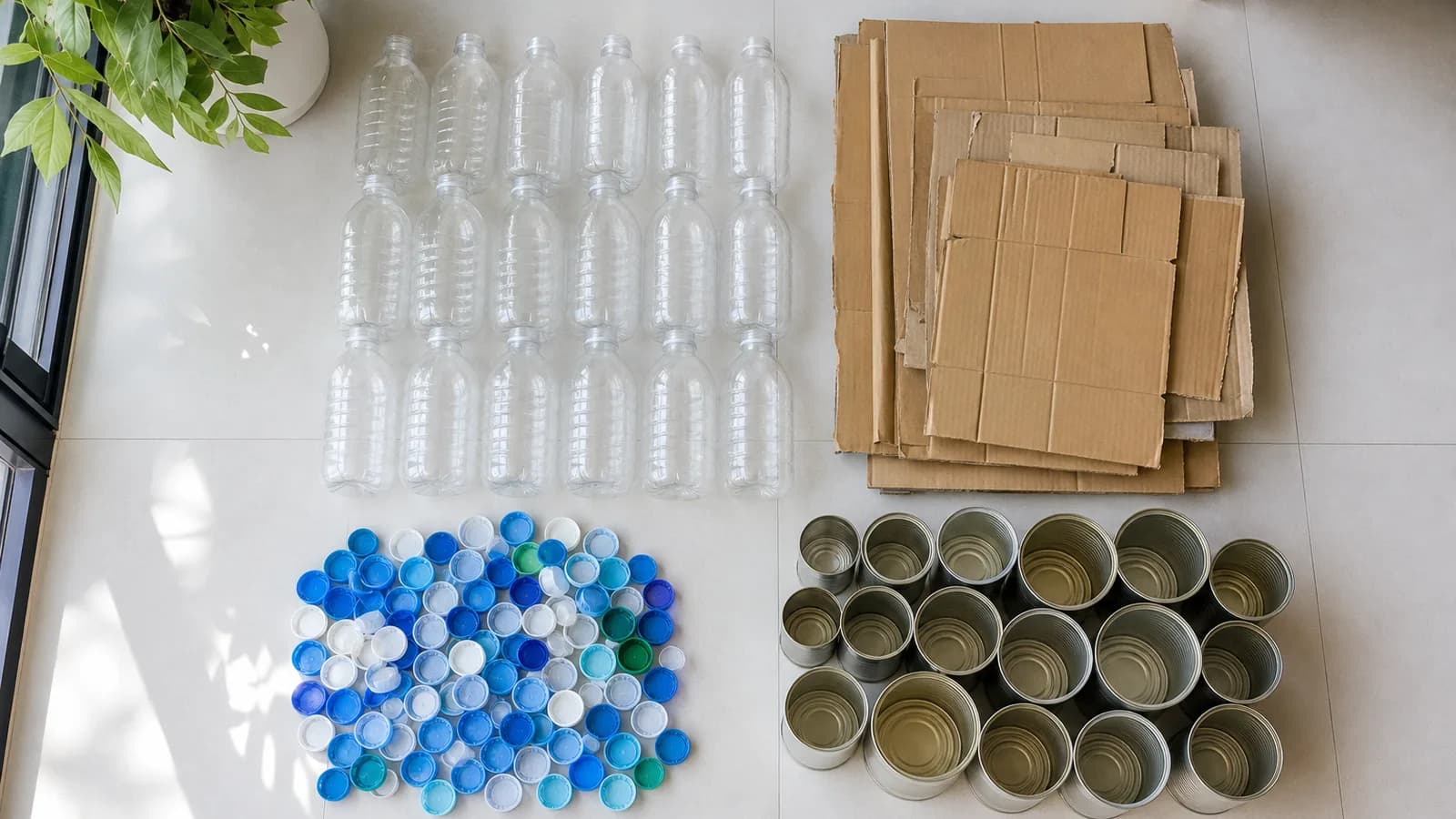
Spent filter cartridges are the recurring stream, and they are the honest environmental cost of any home filtration setup — a smaller stream than the bottles they replaced, but not nothing. Ask your supplier whether there is a take-back arrangement before assuming there is not, and count them when you are auditing the household — a household waste audit.
The machine itself is an electrical appliance with a circuit board and belongs in the e-waste route rather than the general one. If it still works and you are replacing it because you moved or upgraded, selling or giving it away is better than either — though a buyer should know that warranty coverage usually does not transfer, per how home water systems changed in a decade.
The part that belongs at the other end
Most of what determines an appliance's ending is decided at purchase: whether it can be opened, whether parts are sold, whether anyone locally services it, and whether cartridges will still exist in five years.
Which makes disposal a buying question rather than a disposal question — the argument in buying less, choosing longer and, for this category specifically, what to check before buying a home water system.
General information. E-waste rules and collection arrangements vary by city and barangay; confirm locally. This is not legal advice.
Sources
Filed under
- Sustainable Living
- e-waste
- disposal
- repair
- recycling
- philippines