The advice to buy fewer, better things is sound and is almost always deployed in service of selling something expensive. Which makes it worth separating the principle from the sales pitch, because the principle survives and the pitch usually does not.
The environmental case is straightforward: most of an object's footprint is in making it, so the largest single thing you can do about any product is use it for longer. The household case is the same argument in pesos.
Price is a weak signal
Expensive things last longer than cheap things often enough for the belief to persist, and unreliably enough that it should not be your method. Plenty of expensive goods are priced on brand, and plenty of cheap ones are simple enough that there is nothing to fail.
When buying cheap is the correct answer
The buy-it-for-life framing quietly assumes you know what you need, which is often untrue.
- When you are not sure you will use it. Buy the cheap one, find out, then upgrade the thing you actually used.
- When it will be lost or damaged regardless — anything carried by a child, anything used outdoors, anything that lives in a bag.
- When the expensive version is not more durable, only better presented. Common in kitchenware and cosmetics.
- When you cannot afford the good one. Buying the expensive thing on credit to avoid buying twice is frequently the worse deal, and the version of this advice that ignores that is written for someone else.
The appliance case, worked through
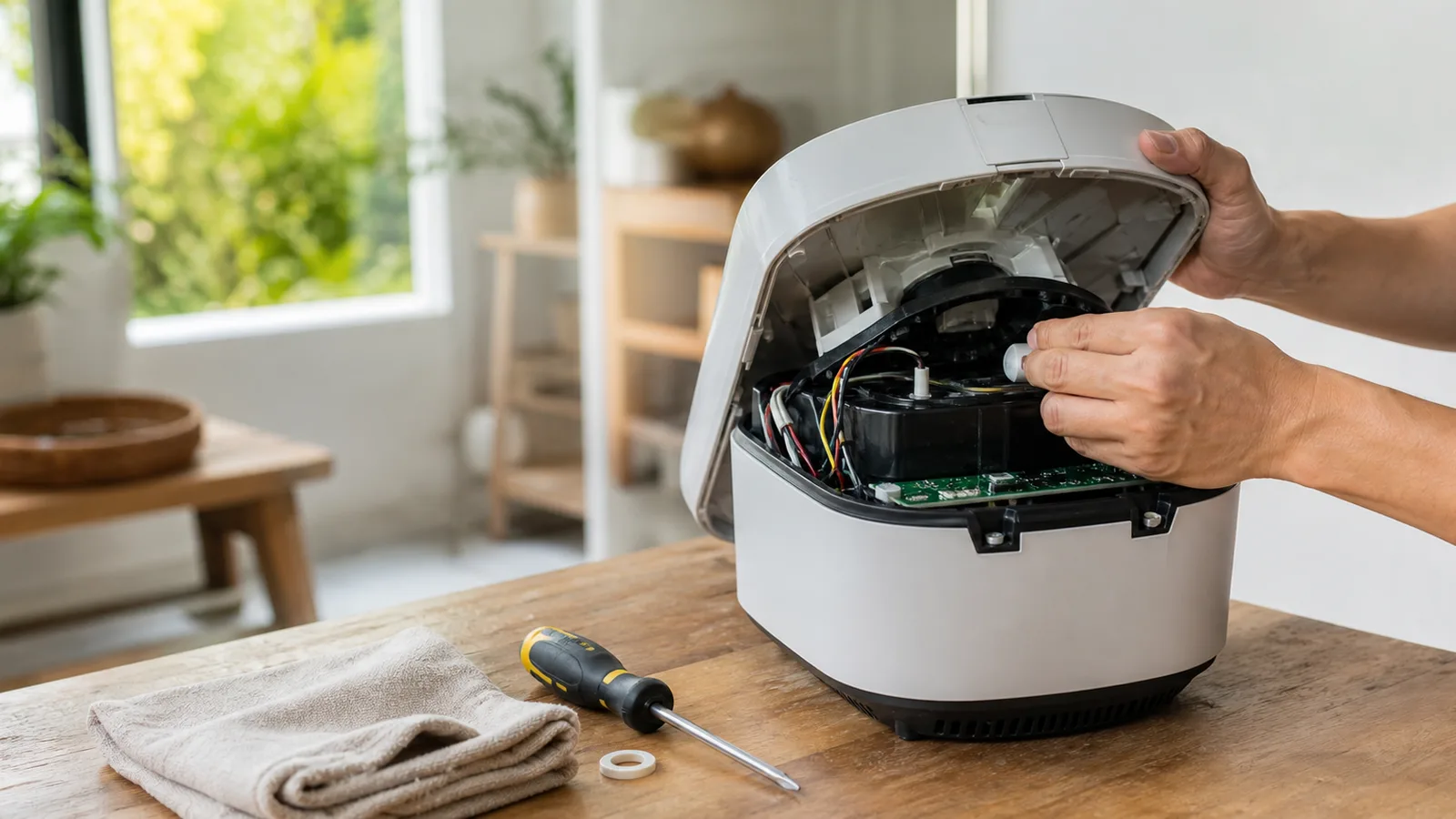
For anything that runs for years, the purchase price is the smaller half of the cost. What decides it is consumables, energy and repairability over the life of the thing.
For a home water system, that means the filters rather than the machine — the arithmetic in is hydrogen water worth it?. For a refrigerator or an aircon, it means the running cost, which over a decade routinely exceeds the sticker, as set out in the energy your appliances actually use.
This is also the fair way to think about a machine sold on longevity. A long warranty and available service are real, checkable things. They are a different claim from anything about health, and they are the ones worth interrogating — how to read a water system spec sheet.
The part nobody can sell you
Buying less is the half of this idea that has no product attached, and it is the half that does the work. A cupboard of things bought thoughtfully and never used has the same footprint as a cupboard of things bought carelessly.
Which suggests an unglamorous default: wait, and see whether you still want it. Most of the time the answer resolves itself, and the most sustainable purchase remains the one that did not happen.
General consumer information, not financial advice.
Sources
Filed under
- Sustainable Living
- durability
- buying
- consumption
- value
- repair