There is a genre of energy-saving advice built almost entirely around unplugging things. It is not wrong — standby power is real — but it directs attention at the smallest part of the bill while the large part goes unexamined.
The arithmetic that actually explains a household bill is unglamorous and takes about a minute per appliance.
Watts times hours, and nothing else
An appliance's consumption is its power draw multiplied by the time it runs. A kilowatt-hour is a thousand watts for one hour, and it is the unit your bill is priced in.
So a 1,000 W appliance running one hour a day uses about 30 kWh a month. A 200 W appliance running five minutes a day uses well under 1 kWh a month. Both are on the same counter and only one of them is on the bill in any meaningful way.
What dominates a Philippine household bill
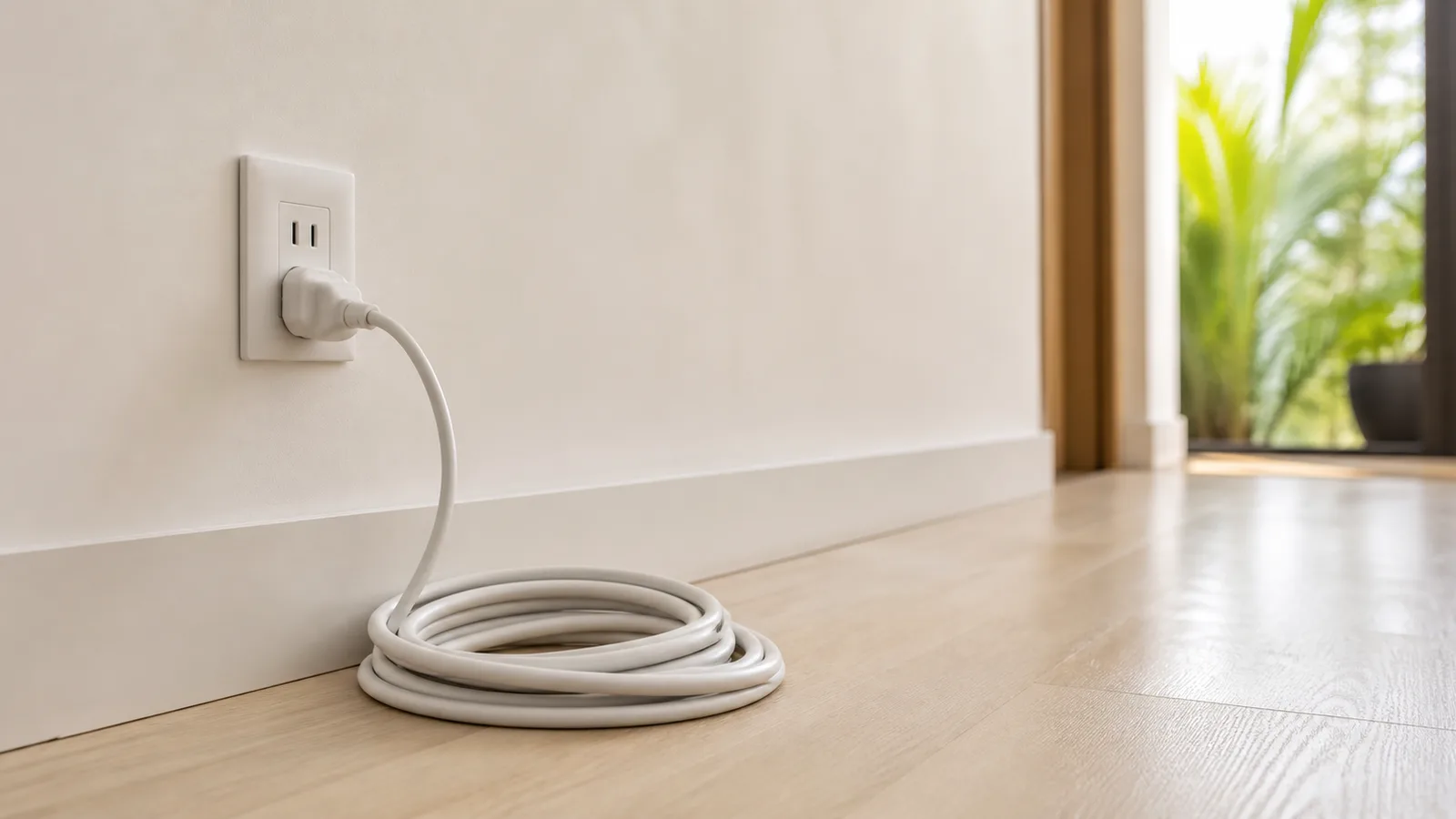
Standby draw across a whole house typically lands somewhere in the low single-digit percentages. Worth switching off at the wall where it is easy; not worth organising your evening around.
Where a small appliance genuinely sits
Take a water system as the worked example, since it is the appliance this publication is asked about. The units in the showroom's catalogue draw roughly 120 to 230 W depending on model, and they draw it only while water is actually running.
A household drawing water for a few minutes a day is therefore looking at a fraction of a kilowatt-hour per month — the cost of running a fan for an evening or two. That is a genuinely small number, and it is worth saying plainly in both directions: it is not a hidden expense, and it is also not a saving worth advertising.
The real running cost of a system like that is filters, not electricity — which is the whole argument in is hydrogen water worth it?.
What is actually worth doing
- Attack the aircon hours, not the aircon setting. A timer beats a thermostat argument.
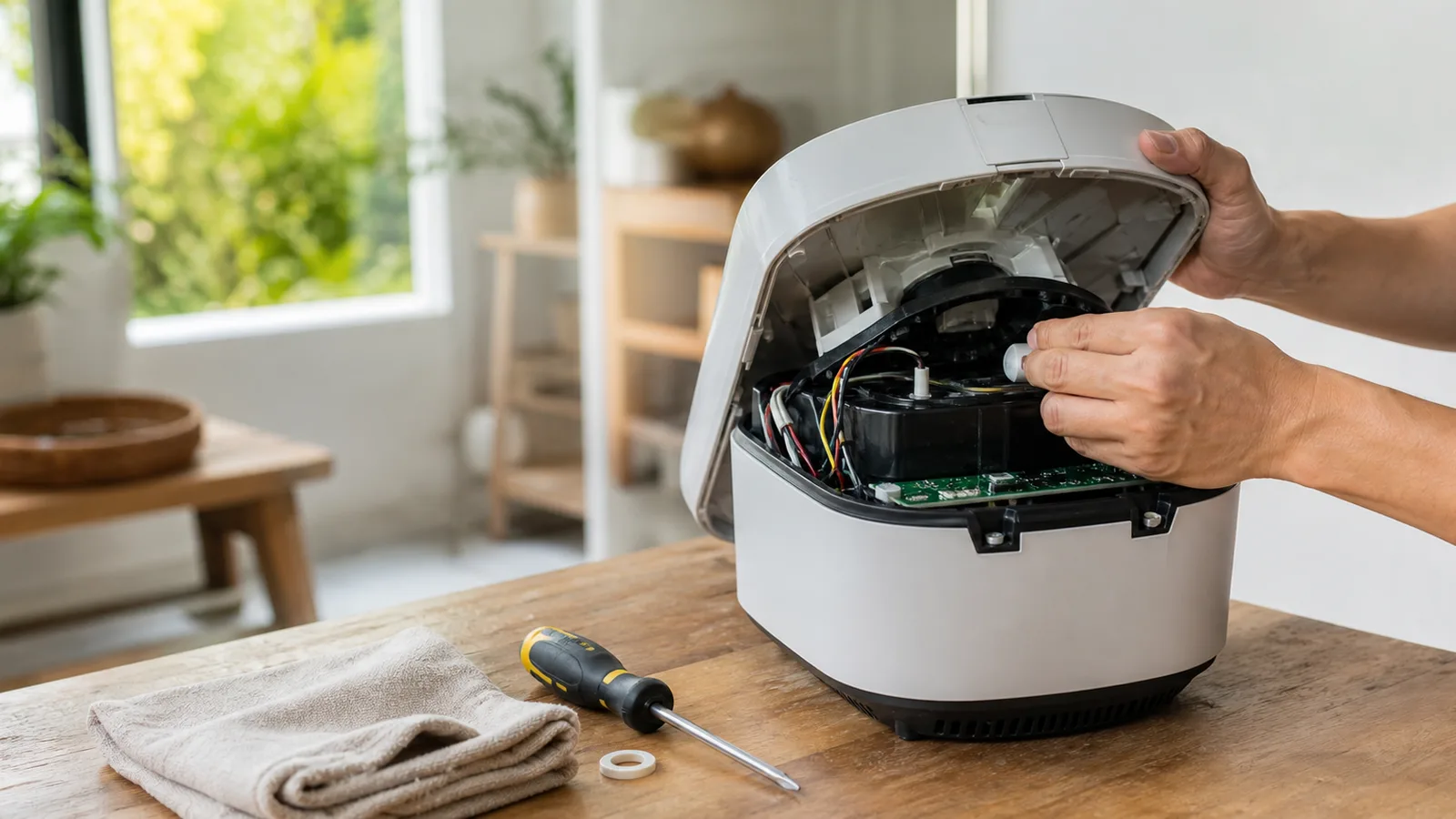
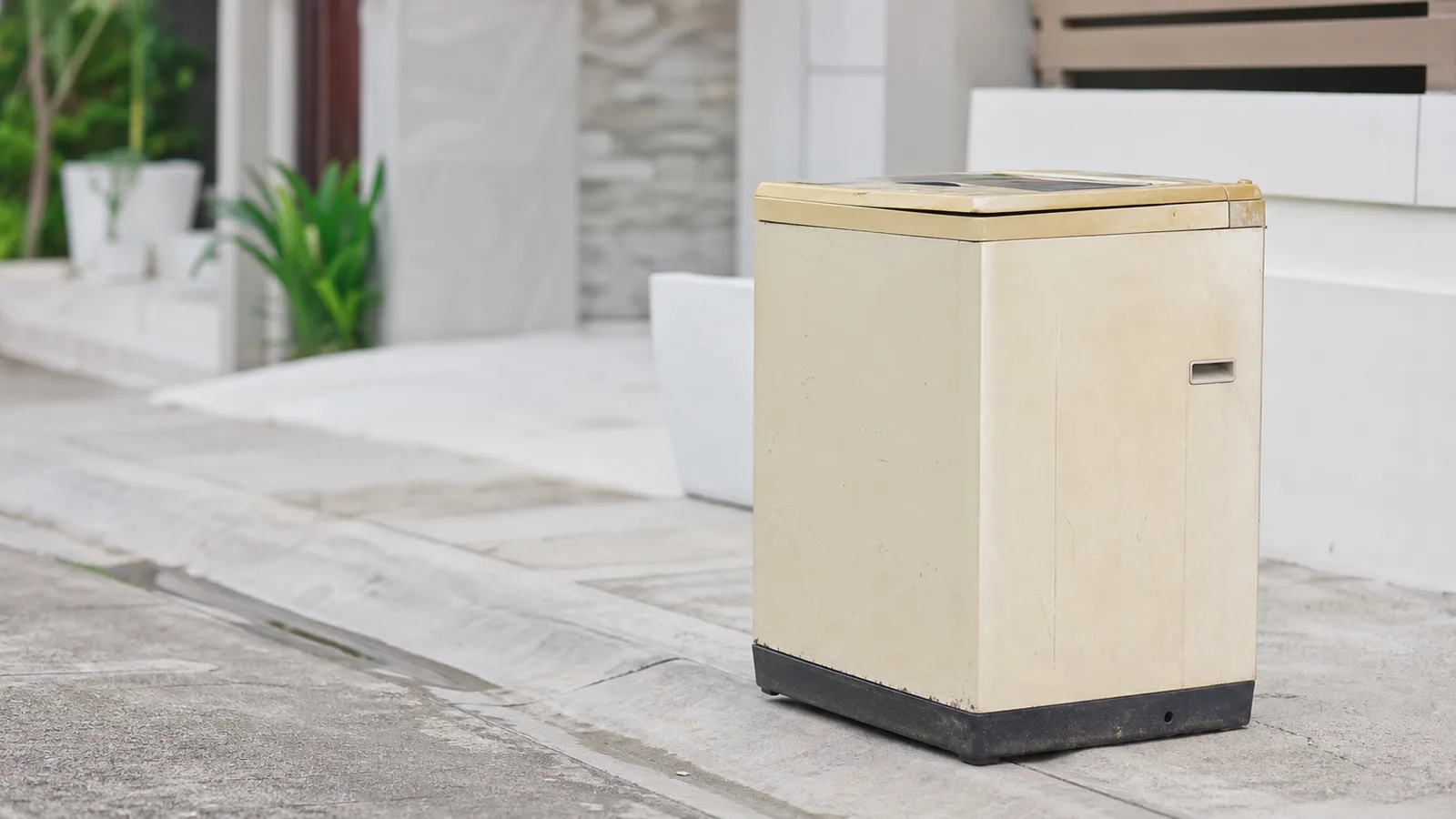
- Check the age of the refrigerator. This is one of the few cases where replacing something working can pay for itself — the exception acknowledged in repair over replace.
- Seal and shade the rooms you cool, which reduces the hours the compressor runs.
- Leave the small appliances alone. The attention they get is out of proportion to the amperage they use.
- Read the sticker before buying, not after. Running cost over a decade routinely exceeds the purchase price on the big items.
All of that also saves money, which is the rare case where the environmental argument and the household one point the same way. It works for the same reason a household waste audit works: measure first, then act on the two largest lines rather than on the most visible ones.
Figures here are illustrative arithmetic, not a quotation. Actual consumption depends on the model, the tariff and how the appliance is used; check the nameplate rating and your own bill.
Sources
Filed under
- Sustainable Living
- energy
- electricity
- appliances
- household costs
- philippines