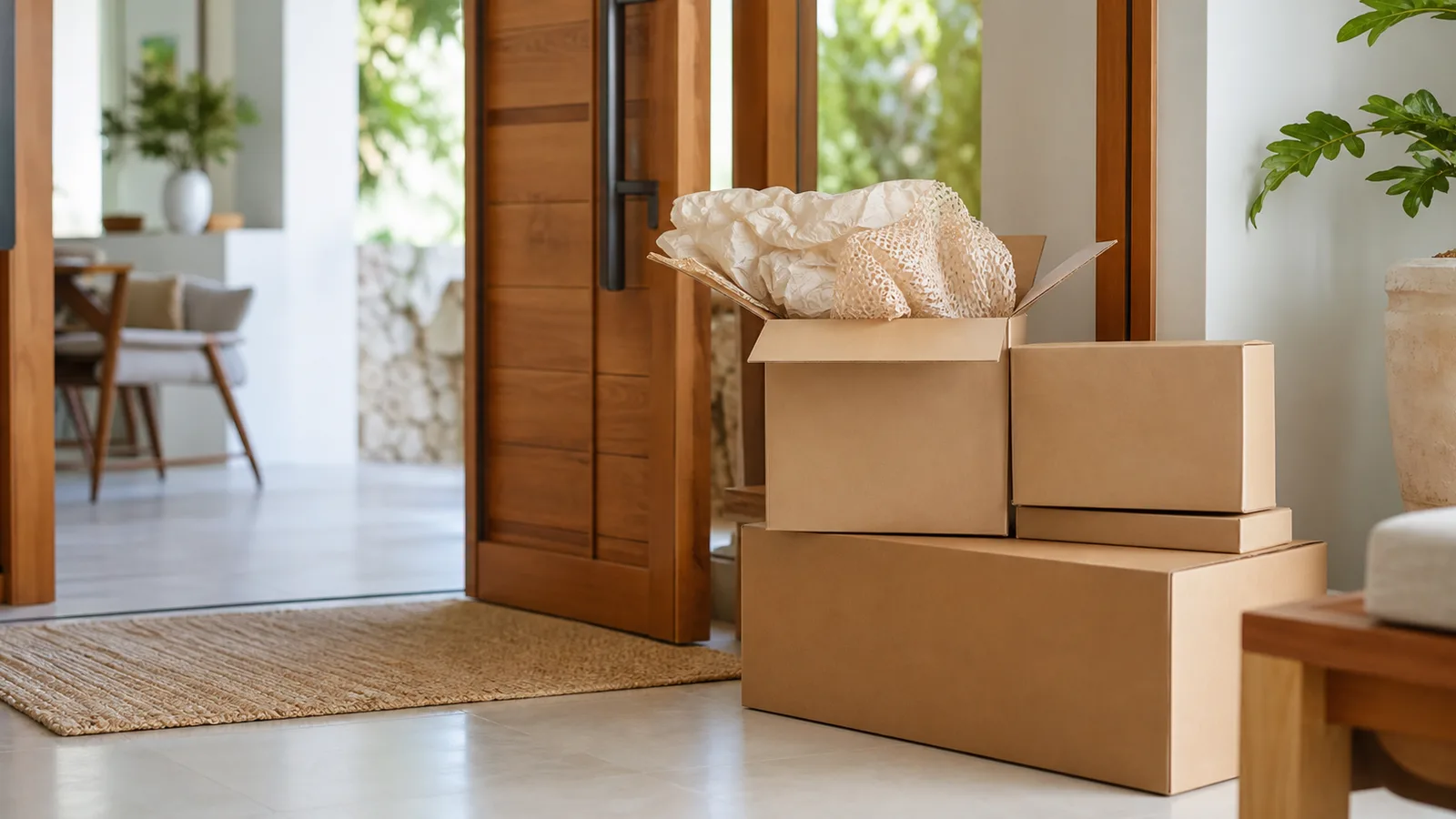
A delivery arrives wrapped in more material than the thing inside, and the reaction is immediate and visual. That reaction is not wrong, but it points at the wrong part of the problem — and once you look at the whole chain, some deliveries turn out better than the trip you would have made instead.
Which makes this one of the few subjects in this category where the honest answer is genuinely mixed.
The last mile is where most of it is
In logistics the final leg — from the local hub to your door — is disproportionately expensive in both money and emissions. It is the part with the most stops, the most idling and the least efficiency.
The comparison people usually skip is what the alternative was. A single van dropping thirty parcels on one route can be more efficient than thirty households each making a trip — and considerably less efficient than one household walking to the corner store. Delivery is not automatically worse; it depends entirely on what it replaced.
What actually makes it worse
None of those are packaging. All of them are decisions made in about four seconds at checkout.
Packaging, in proportion
It matters, and it is not the largest term. Cardboard is among the more recoverable materials in the waste stream; the plastic film, air pillows and mixed-material mailers around it are not, and they are the part worth objecting to.
The wider context is that the global recycling picture is much worse than most people assume, which is the subject of the nine per cent problem. Assuming a box will be recycled is doing a lot of work in most people's mental accounting.
Food delivery is a different animal
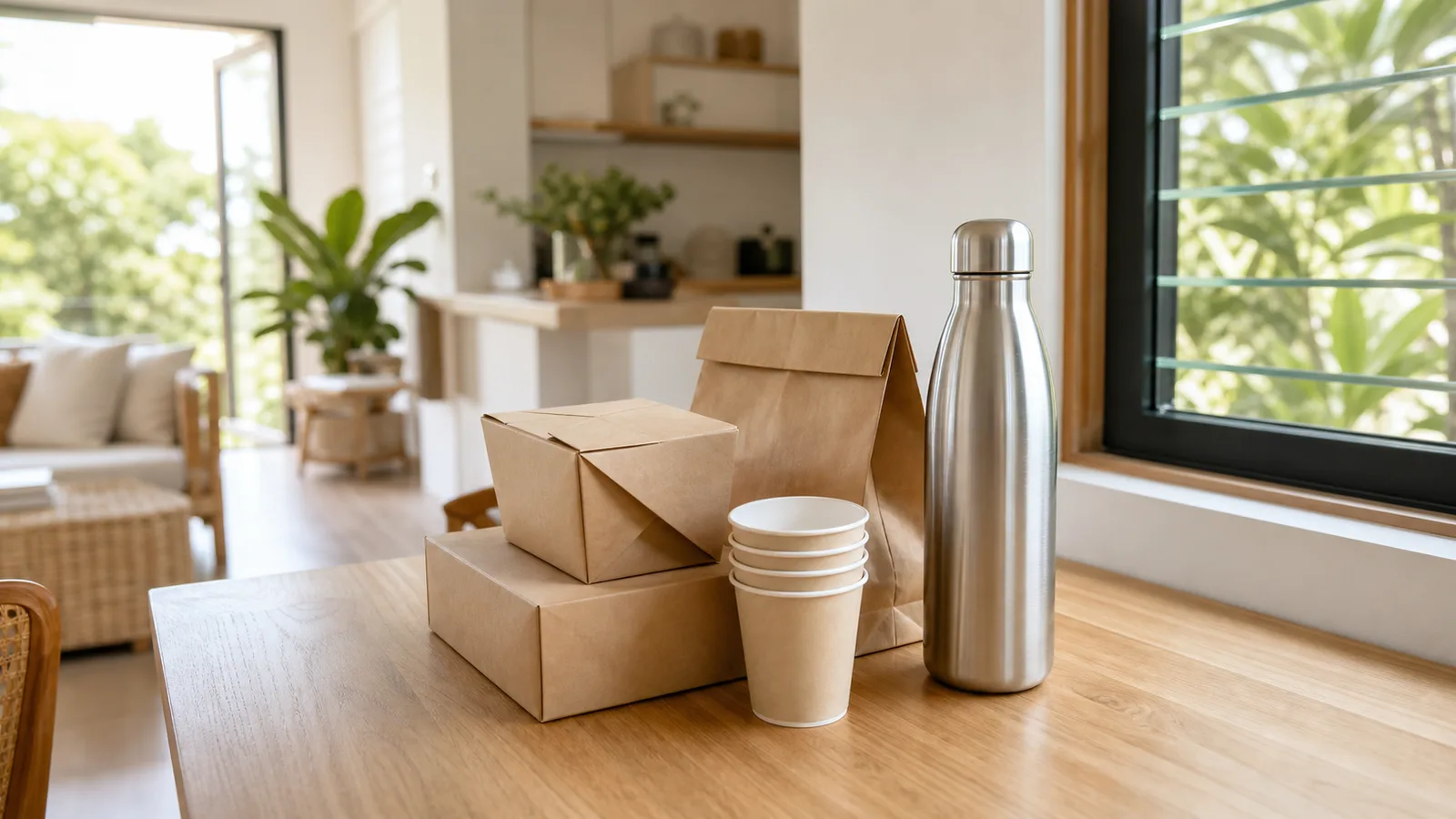
Worth separating, because it inverts most of the above. Food delivery is single-order, immediate, unconsolidated by design, and packaged in mixed materials that are effectively unrecyclable — a container, a bag, cutlery, sachets, and often a separate drink cup.
It is also, for a household after a two-hour commute, sometimes the difference between eating and not. That is a real trade rather than a failure, and it is the subject of the cost of convenience — which argues for attacking the two or three places where it repeats daily rather than eliminating it.
Water delivery, since that is our subject
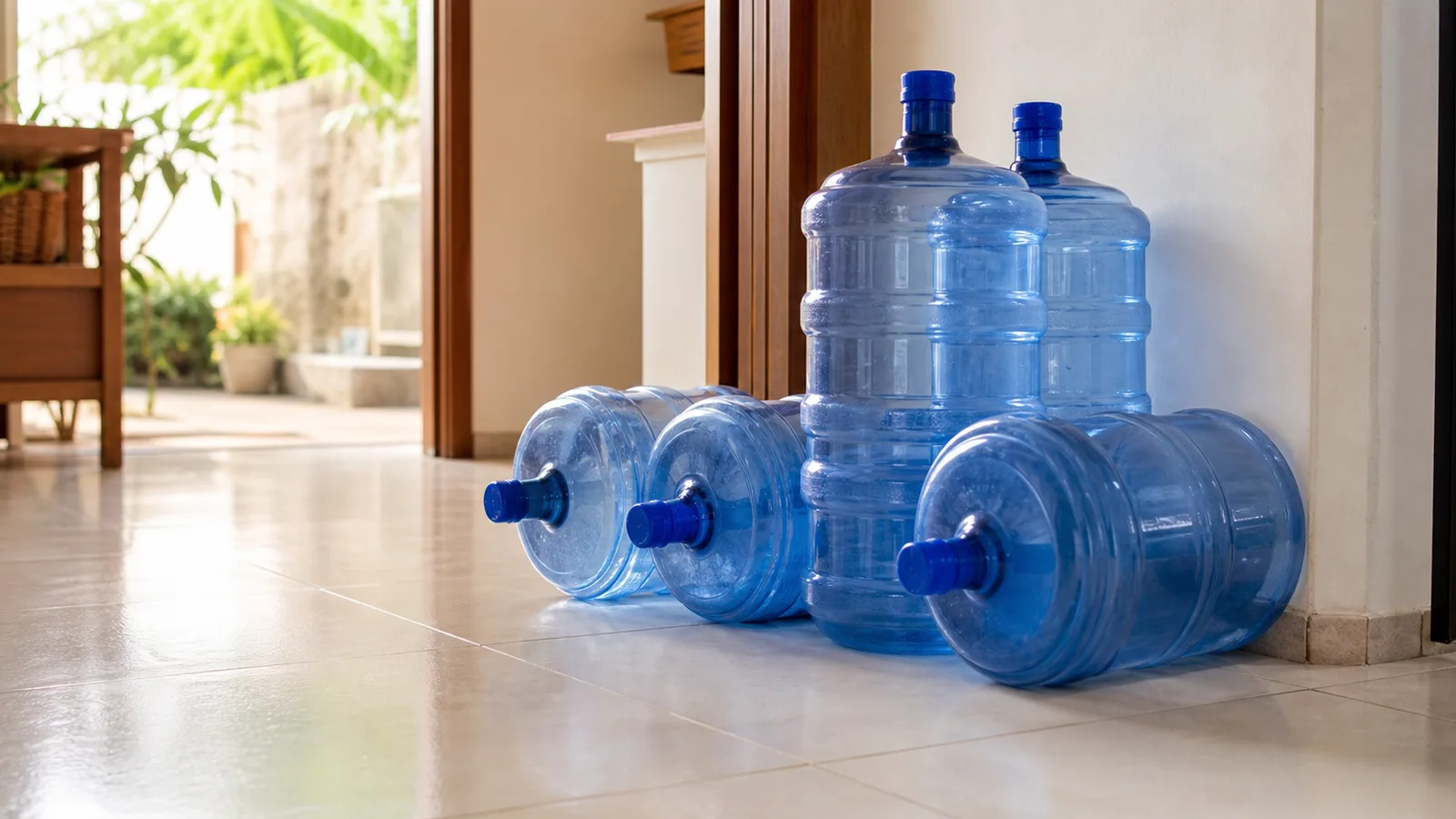
Water is heavy, which makes it unusually expensive to move. Delivered five-gallon containers do at least travel in a reusable container that circulates for years — the genuine strength of the Philippine refill system, described in refill culture in the Philippines.
A home system removes those journeys entirely and substitutes a smaller recurring stream of spent cartridges plus an upfront manufacturing footprint. Over a long enough period that generally comes out ahead on both transport and packaging; over a short one it does not. The comparison, without a thumb on the scale, is in refilling stations, delivery and a home system.
What actually changes the number
- Consolidate. Wait and order together. This is the largest single lever available to a household.
- Choose the slowest shipping offered, which is the opposite of the default and costs you nothing.
- Be home, or use a pick-up point. A failed delivery doubles the worst part of the chain.
- Stop ordering to try. Returns are journeys, not just paperwork.
- Buy less, which remains the largest and least marketable lever of all — buying less, choosing longer.
General consumer information. Figures in logistics vary enormously by route, vehicle and market; this article describes the structure of the problem rather than quoting numbers for the Philippines specifically.
Sources
Filed under
- Sustainable Living
- delivery
- shipping
- packaging
- logistics
- consumption