There is a version of environmental education that hands a child a very large problem, tells them it is urgent, and then gives them a task the size of a bin. The mismatch is the problem — not the information, and not the bin.
What follows is worry without agency, which is a poor foundation for anything and a well-recognised phenomenon among young people. The fix is not less honesty. It is matching the scale of what they are told to the scale of what they can do.
General guidance for family routines, not psychological advice. A child whose anxiety about these topics is persistent or distressing deserves support from a professional rather than a better recycling system.
Start at household scale
A young child cannot act on global plastic production. They can absolutely act on what happens in their kitchen, and the kitchen is where the habits form.
The audit, as a household activity
Looking at a week's actual rubbish is more informative than any lesson, and children are unusually good at it because they have no investment in the result.
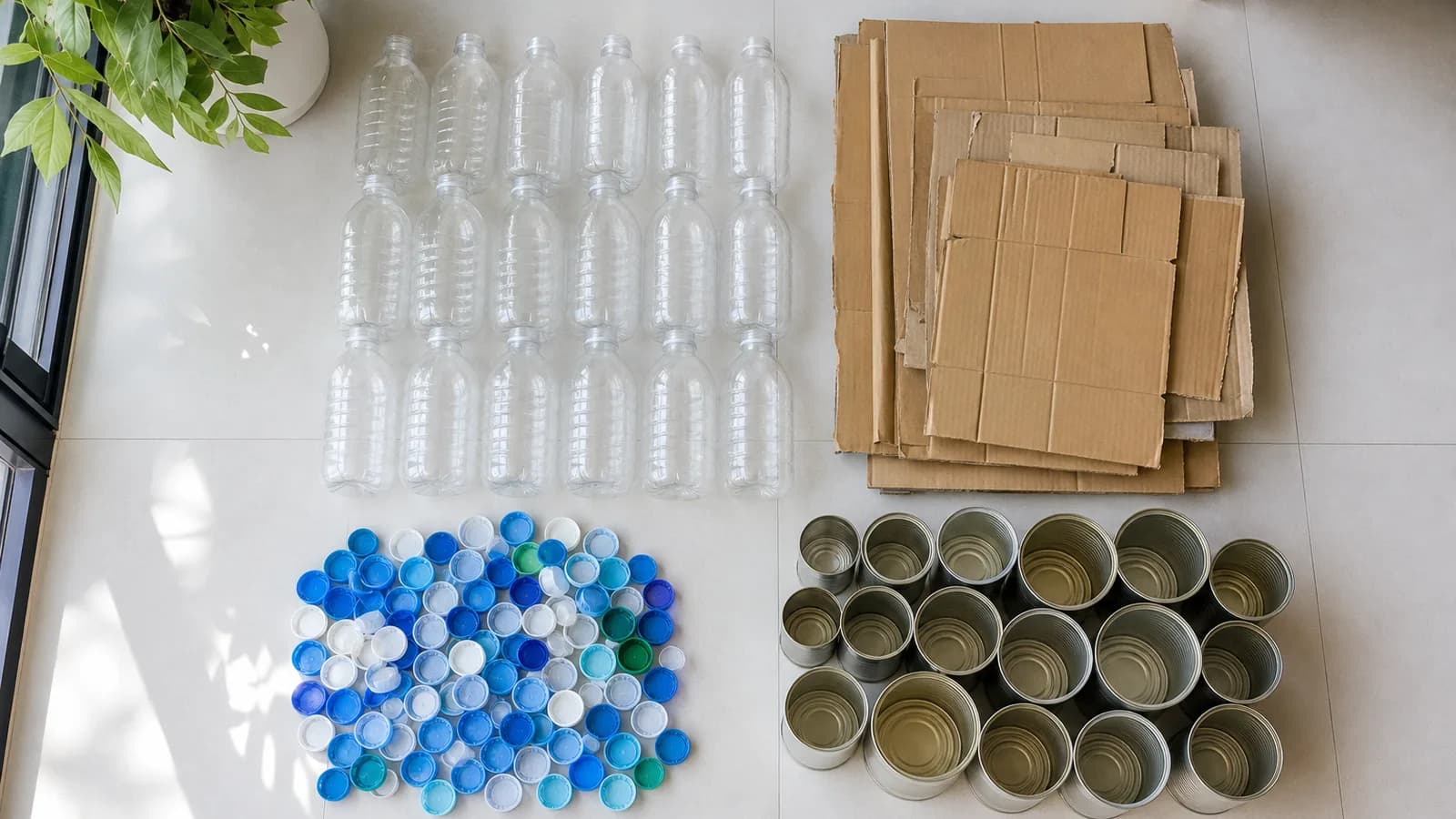
It also produces the honest finding, which is that a small number of categories dominate — usually packaging, food waste and drinks containers — and that most of the rest is noise. That is the method in a household waste audit, and doing it together teaches the general skill of measuring before acting.
Being honest about the limits
Children notice contradictions faster than adults would like, and the recycling story contains several. Not everything in the recycling bin is recycled. Household action is a small share of the total problem. Some of what is marketed as green is not.
Saying so is better than being caught out later, and it teaches something more durable than sorting: that claims can be checked. The adult version of that skill is in reading environmental claims territory — and it starts with noticing that a label is a claim, not a fact.
Pair the honesty with agency, though. "Not everything gets recycled, and here is what we do that definitely works" is a complete sentence. The first half alone is where the anxiety comes from.
What the household actually teaches
Not the lesson. The routine.
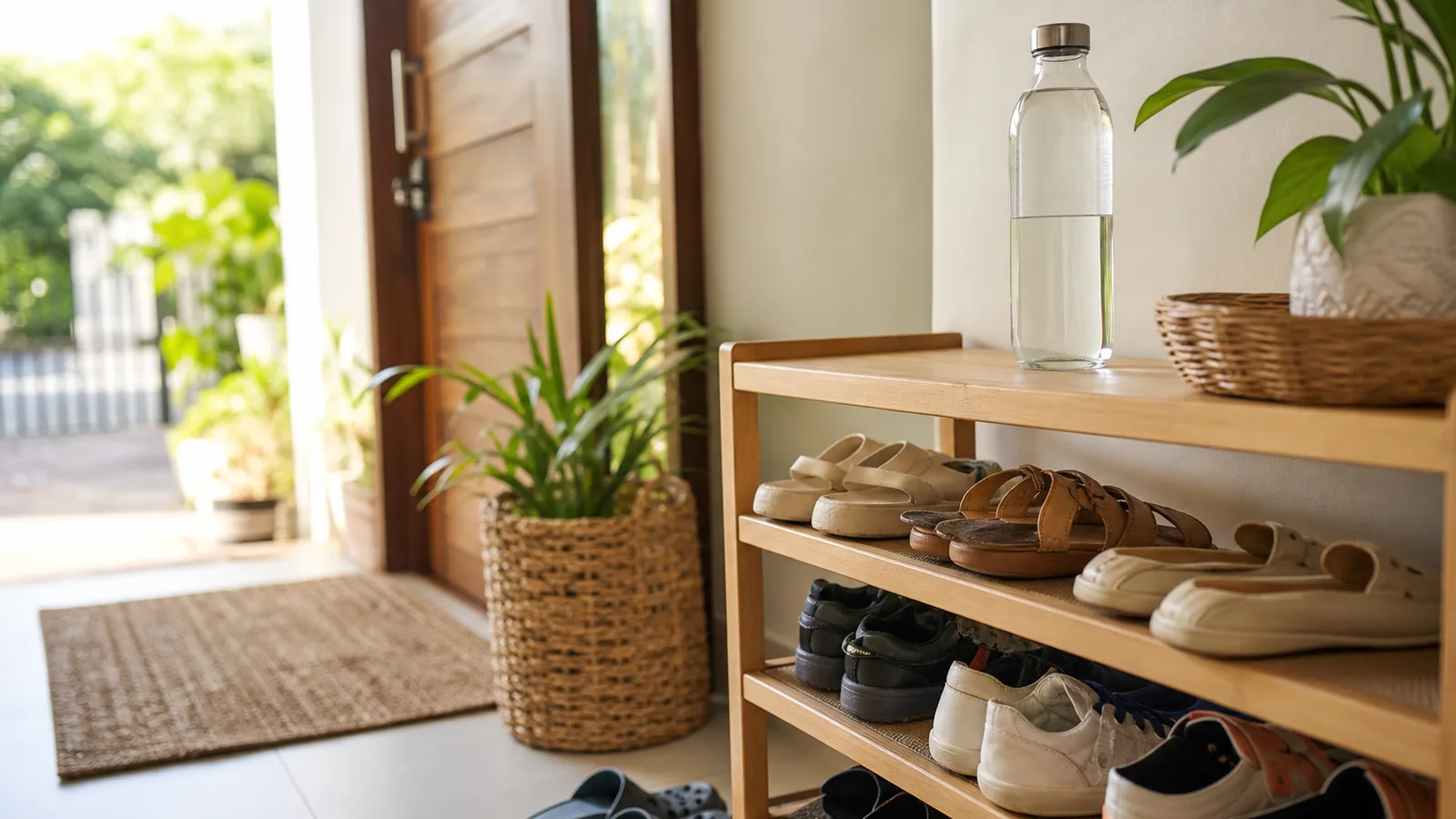
A house where water comes from the kitchen rather than from delivered bottles, where things get repaired before they get replaced, and where the shopping bag lives by the door, teaches all of this without a conversation — which is the same mechanism described in family wellness routines and repair over replace.
Children raised in that house do not experience any of it as environmentalism. It is simply how a house works, which is the most durable form the habit can take.
Sources
Filed under
- Sustainable Living
- children
- education
- recycling
- waste
- family