Every December the same articles appear: fifteen eco-friendly gifts, all of them objects, all of them manufactured and shipped for the occasion. The sustainability is in the material rather than in the decision to buy something at all, which is where most of the footprint actually sits.
In a country with as many gift-giving occasions as this one — Christmas, fiestas, baptisms, weddings, birthdays, pasalubong every time somebody travels — the question is worth taking seriously rather than solving with a bamboo toothbrush.
The question underneath
A gift's environmental cost is dominated by its manufacture, not by the trip it takes to reach the door. A well-made object given to someone who wanted it is a good outcome; the same object given out of obligation and stored in a cupboard is the cost with none of the benefit.
So the first question is not which thing but whether a thing — and the second is whether this particular person will actually use it.
The categories that hold up
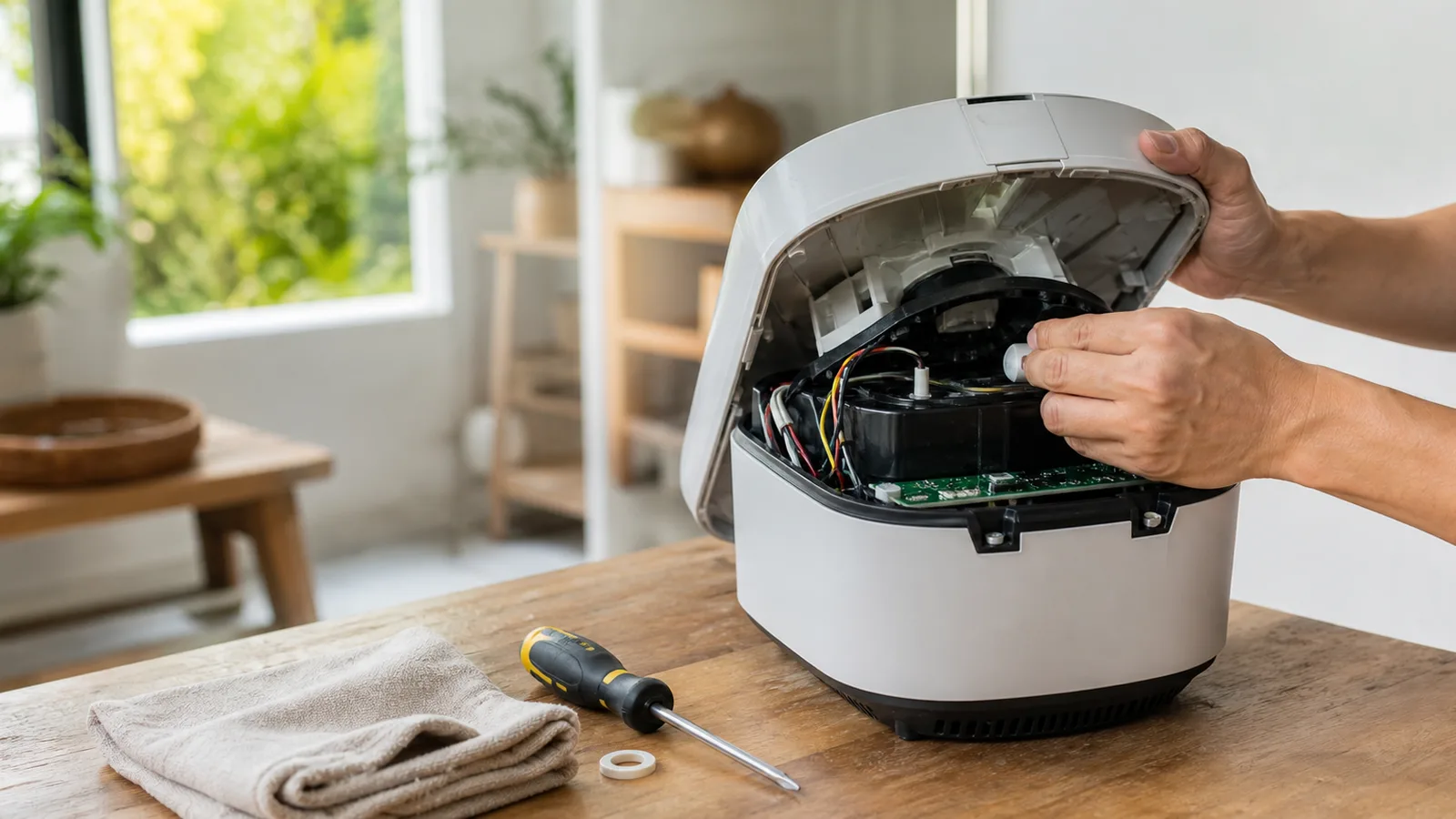
If the gift is a durable object, the criteria in repair over replace apply — spare parts available, serviceable, built to last. Giving something disposable dressed as premium is the worst outcome in this category.
The reusable bottle, as a worked example
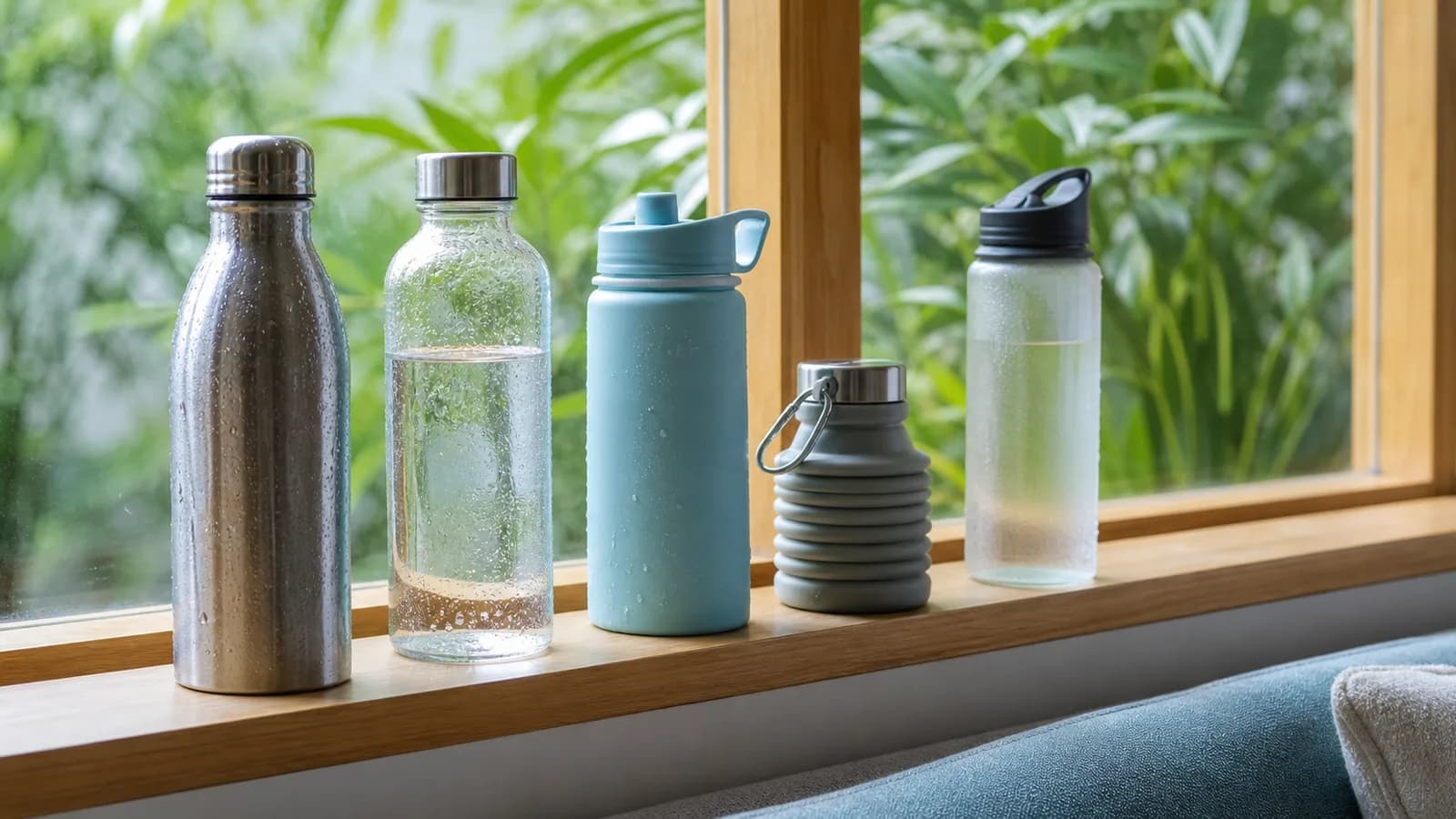
It is the default sustainable gift and it fails constantly — because, as reusable bottles that survive real use sets out, a bottle only repays its manufacture through repeated use, and most gifted bottles end up in a cupboard.
If you give one, give one they would have chosen: the right size for their day, a lid they can open one-handed, insulated for this climate. A bottle chosen carelessly is a worse gift than no gift, environmentally speaking.
Wrapping, which is pure waste by design
Wrapping is the one part of gifting that is discarded immediately and by intention. Glittered and plastic-coated paper cannot be recycled at all. It is also the most visible thing in the bin at the end of December.
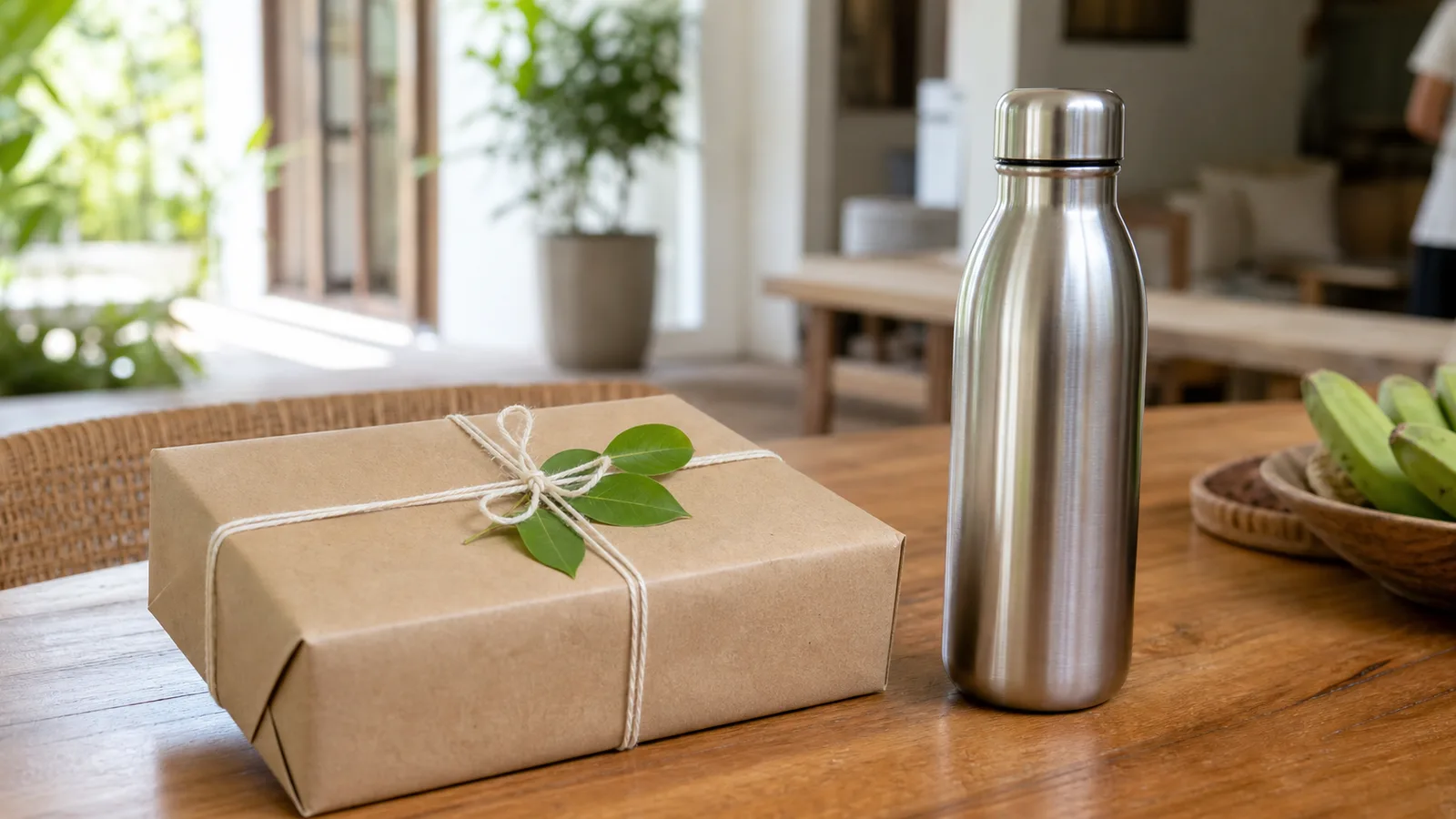
- Plain kraft paper, which is recyclable, with cotton string rather than plastic ribbon.
- A cloth wrap that becomes part of the gift — a tea towel, a scarf.
- A reusable bag or tin that the recipient keeps.
- Newspaper, which is traditional, free, and looks better than it sounds.
- Keep and reuse the good bags and boxes that come to you. Everyone's mother already does this.
The part that needs care
Gift-giving here carries real social weight, and "I did not get you anything, for the planet" is not a position most people can hold gracefully at a family gathering. Any advice that ignores that is advice nobody will follow.
The workable version is to keep giving, and to shift what: consumables for the wide circle of obligations, something considered for the people close to you, and a quiet end to the exchange of items nobody wanted in the first place — usually by suggesting it before the season rather than during it. It is the same argument as buying less and keeping things longer, applied to other people's cupboards.
General lifestyle information. Nothing here makes any health claim about any product mentioned.
Sources
Filed under
- Sustainable Living
- gifting
- consumption
- waste
- celebrations
- sustainable living