Hydration articles are overwhelmingly written for people at desks. The population that actually faces a hydration problem — construction workers, delivery riders, market vendors, drivers, farm and port workers — is the one that gets least of the attention.
It is also the population for whom this is a safety matter rather than a wellness one, which changes what is worth saying.
General information, not medical advice. Heat stroke is a medical emergency — confusion, collapse, or hot skin with sweating having stopped requires emergency care and active cooling immediately.
What the day actually costs
Hours of physical work under direct sun in humid air. Sweat evaporates poorly in humidity, so the body produces more of it to achieve less cooling — which means fluid loss is high and the cooling benefit is low at the same time. The mechanism is in hydration in a tropical climate.
During the dry season the heat index in much of the country regularly reaches ranges where this stops being about comfort. PAGASA's daily figure is the number to plan around, not the thermometer — hydration during the dry season.
This is the case where electrolytes are actually indicated
Worth saying clearly, because this publication has spent several articles pointing out that most people do not need them.
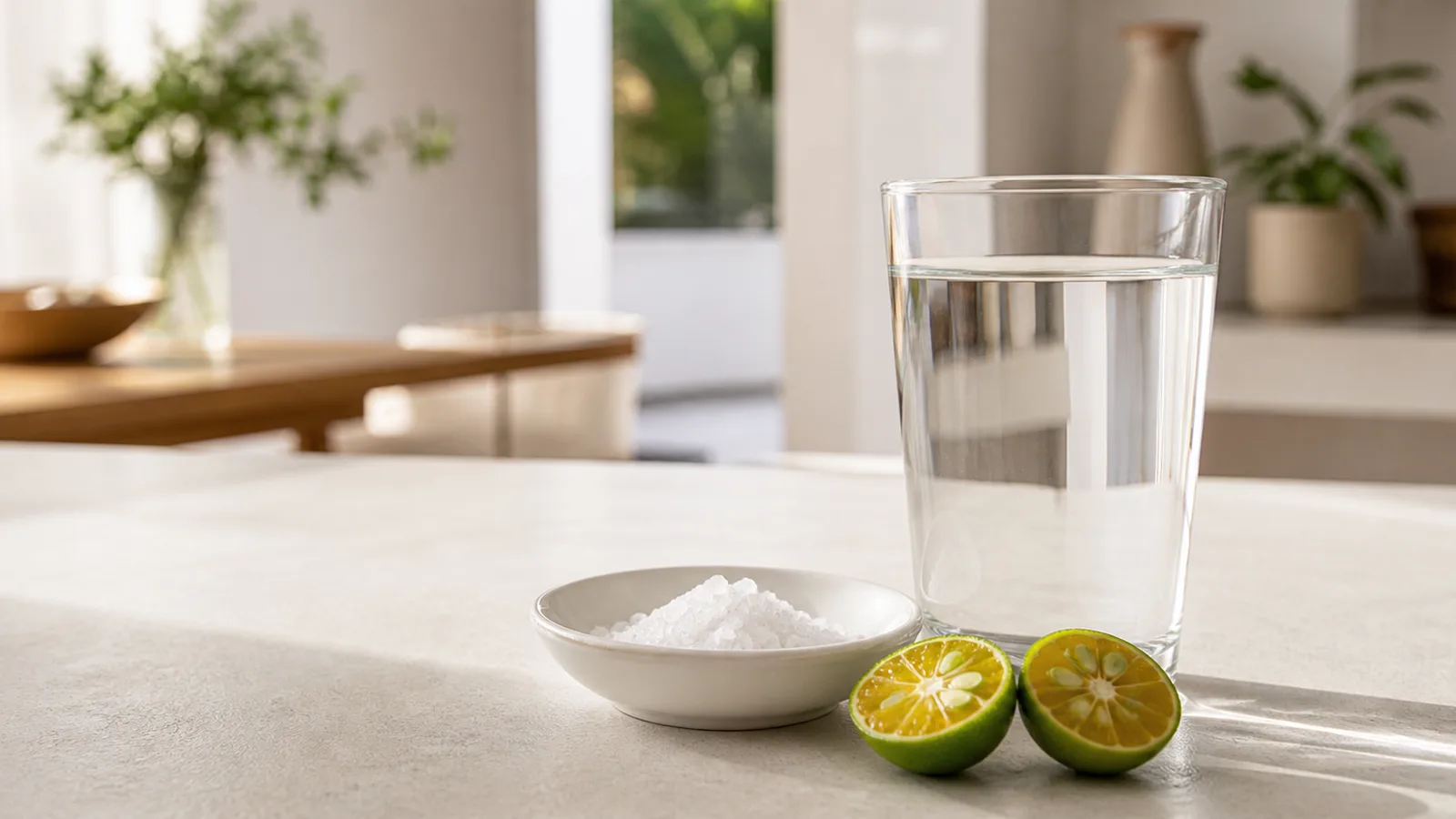
Sustained heavy sweating for hours — which is what outdoor work in this heat is — is the narrow situation where sodium replacement genuinely matters, and where drinking large volumes of plain water alone can dilute blood sodium. That is the real exception, and it is set out in electrolytes and when they actually matter.
What works, practically
- Start the day already hydrated. A glass before leaving is the only moment fully under your control.
- Drink on a schedule, not on thirst. During heavy work thirst lags behind the loss, and the work makes it easy to ignore.
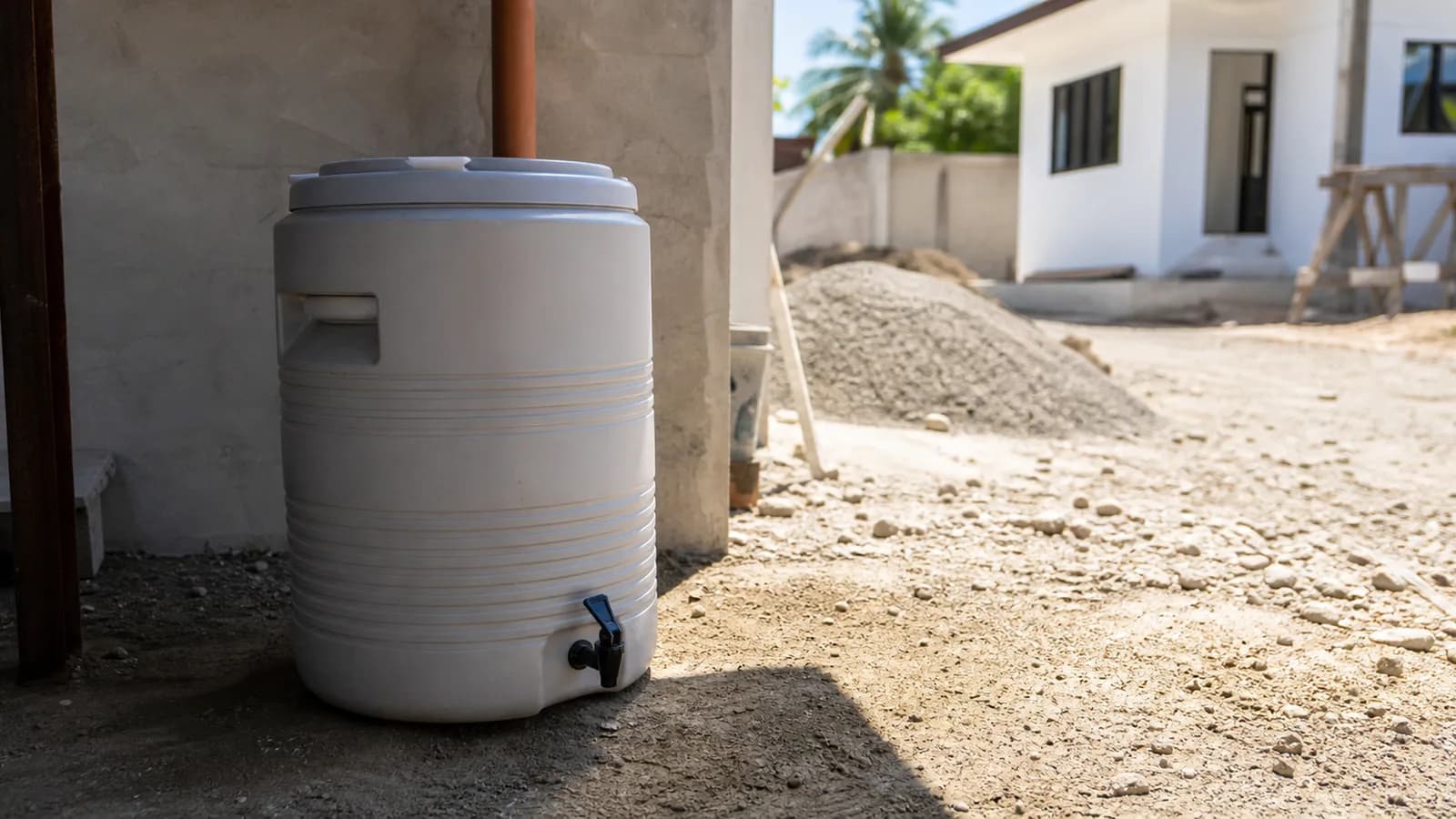
- Cool water, not warm. Warm water in the sun stops being drunk, which is the practical difference between having water and using it.
- Eat properly at breaks, which handles the salt for most people.
- Use the shade that exists, and take breaks in it rather than in the sun with a bottle.
The signs, which everyone on a site should know
Heat exhaustion: heavy sweating, weakness, dizziness, nausea, headache, cool clammy skin. Stop, get into shade, cool down, take fluid — and it should improve.
Heat stroke: confusion or odd behaviour, very high body temperature, hot skin that may have stopped sweating, collapse. This is an emergency. Call for help and cool the person actively while waiting. Do not wait to see if it improves, and do not treat it with a bottle of water.
The confusion is the sign that matters most and the one most often missed, because the person experiencing it cannot report it. On a site, that makes it everybody else's job to notice.
Most of this is not the worker's problem to solve
It would be dishonest to end with a list of personal habits, because the things that decide outcomes here are site conditions rather than individual discipline.
Occupational safety guidance in the Philippines and internationally treats heat as a workplace hazard for exactly this reason. Telling a worker to drink more water while none of the above is in place is advice that costs the giver nothing and the receiver everything.
Sources
Filed under
- Lifestyle
- outdoor work
- construction
- heat
- safety
- philippines