Sports drinks were developed for a real problem: athletes losing large volumes of sweat over long durations in heat. The science behind that is sound. What followed was a marketing category built on extending the same logic to a forty-minute gym session and, eventually, to sitting at a desk.
Separating the two is straightforward once you know what the drink is actually for.
General information about everyday activity, not medical or sports-medicine advice. Anyone training competitively or with a medical condition should follow qualified guidance.
What a sports drink is for
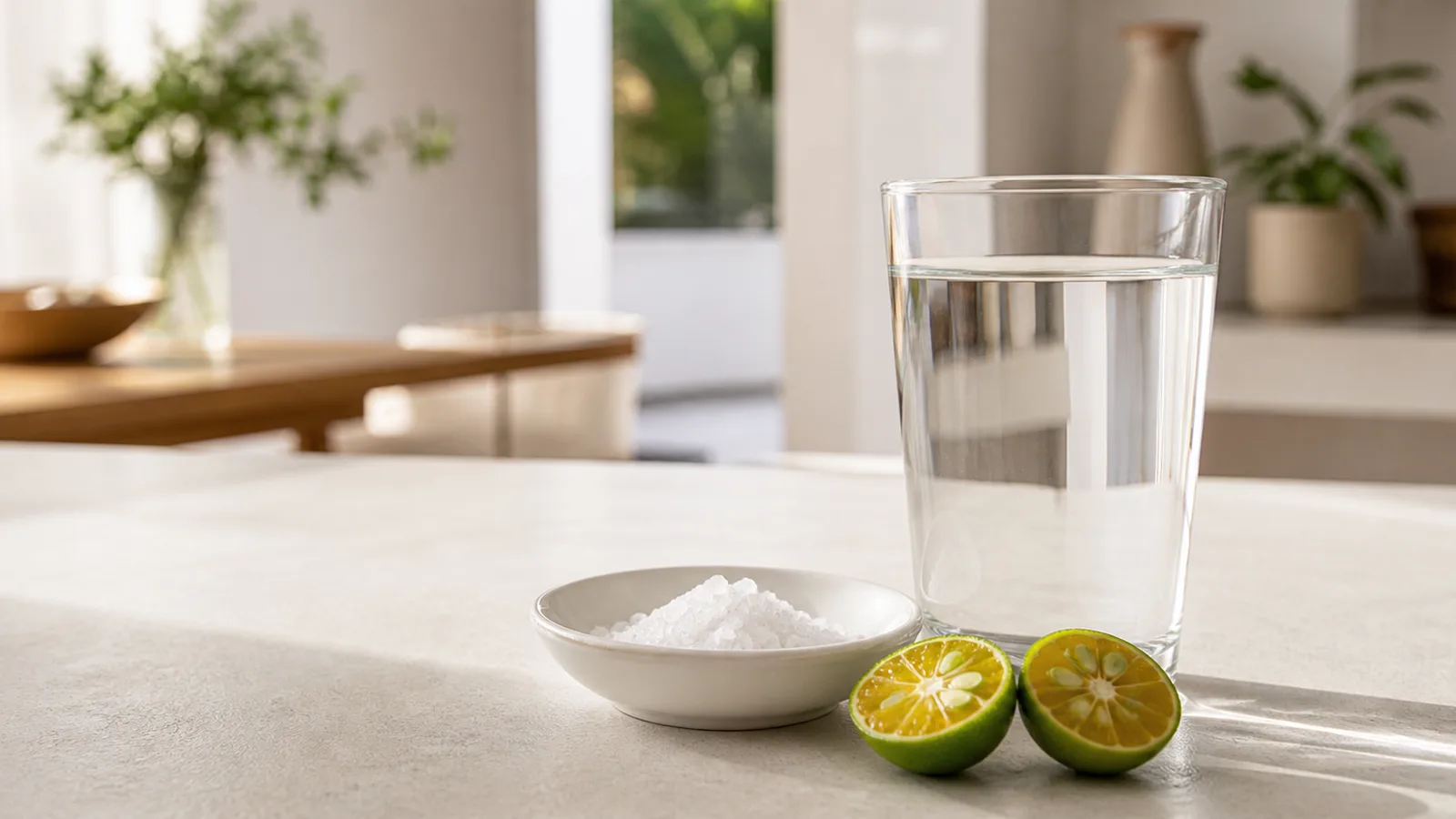
Three things at once: fluid, sodium and carbohydrate. Each addresses a specific loss that occurs during prolonged, heavy sweating — and each is unnecessary when that loss has not occurred.
Outside those, water covers it, and the sodium question is dealt with by eating normally. The mechanism is set out in electrolytes and when they actually matter.
The ordinary session, honestly
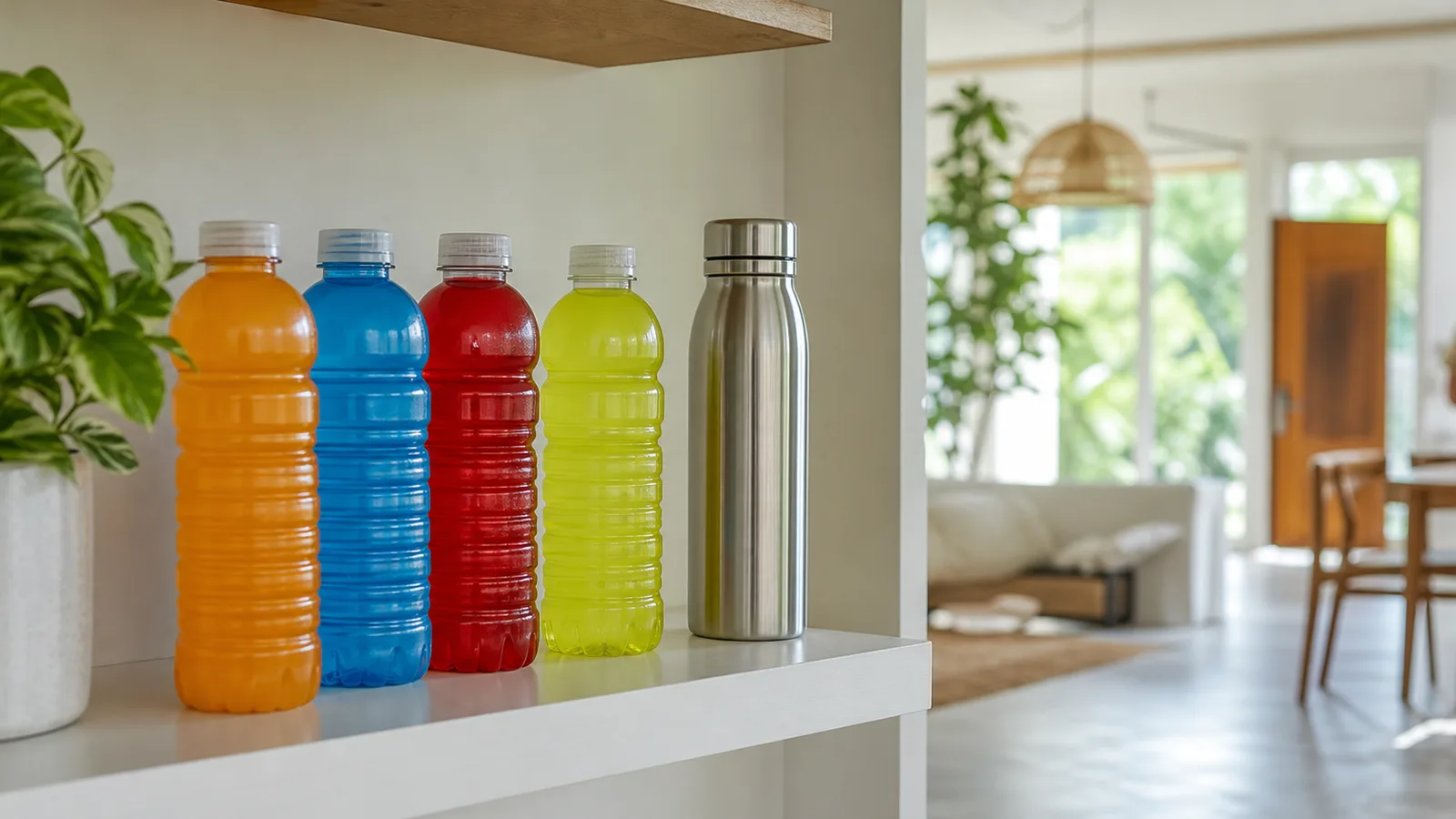
Forty-five minutes of weights in an air-conditioned gym is not a heavy sweat event, and the drink bought on the way out is a sweetened beverage with a fitness aesthetic. It is not harmful; it is simply not doing the job it is being purchased for.
The marketing patterns worth recognising
- Elite athletes for an ordinary audience. The endorsement is real and the use case is not yours.
- Reframing water as inadequate — "plain water isn't enough" — which is the whole category in one sentence.
- The gallon jug as identity. Carrying a very large bottle signals commitment; it does not indicate a requirement, and there is no benefit to drinking beyond adequate.
- Urine colour charts as precision. A rough signal presented as a measurement. Colour is affected by supplements, medication and what you ate, and it shifts through the day for reasons that have nothing to do with fluid.
- Wellness language on a soft drink. Electrolyte powders with substantial sugar sold beside the protein.
The fourth one is worth dwelling on because it appears everywhere in gyms, and it is a genuine signal used well past its resolution.
The same scrutiny, applied here
This publication sells water systems, and the identical critique applies. A machine that produces better-tasting, more convenient water is a convenience-and-cost product, and any suggestion that it improves performance is the same move sports drinks make — what hydrogen water research has and has not shown and hydrogen water and exercise recovery.
If a system means you fill a bottle at home instead of buying a coloured drink on the way to the gym, that is a real change with a real saving. It is not a training aid, and nobody should sell it as one.
The short version
Water for almost everything. Salt from food. A sports drink when the session was genuinely long and genuinely hot, which for most people is a handful of times a year rather than a habit.
And the largest lever on how a session goes is not in any bottle — it is sleep, food and whether you took a rest day, which is the argument in rest days and why they are not optional.
Sources
Filed under
- Lifestyle
- sports drinks
- marketing
- fitness
- electrolytes
- gym