Most exercise hydration advice originates in endurance sport — multi-hour efforts where fluid and fuel management genuinely decide the outcome. It then gets copied onto pages read by people doing forty-five minutes of weights in air conditioning, where almost none of it applies.
The useful version starts by asking how much you actually sweat, which is a personal number and easy to establish.
General information for ordinary recreational exercise, not medical or sports-medicine advice. Anyone training competitively, exercising with a medical condition, or advised by a doctor to manage fluid or salt intake should follow that guidance instead.
What sweating actually costs
Sweat rates vary enormously — by person, by fitness, by intensity, and above all by conditions. The same session outdoors at 2pm and indoors in air conditioning are not comparable, and in humid heat the body sweats more to achieve less cooling, for the reason set out in hydration in a tropical climate.
Before
Arrive already hydrated, which mostly means having drunk normally through the day rather than loading up in the ten minutes beforehand. A glass or two in the hour before is enough for ordinary sessions; more than that mainly guarantees an interruption.
For early-morning training, the previous evening matters more than the morning does — you wake mildly dehydrated after a night's breathing, and there is not much time to correct it before you start.
During
- Under an hour, indoors, moderate: water, by thirst. Nothing more is required.
- Over an hour, or outdoors in the heat: drink at intervals rather than waiting for thirst, which lags during exertion.
- Long or very sweaty sessions: this is where sodium replacement starts to earn its place — the narrow case described in electrolytes: what they are and when they matter.
- Team sports in the sun: the break schedule, not thirst, ends up governing intake. Plan for it.
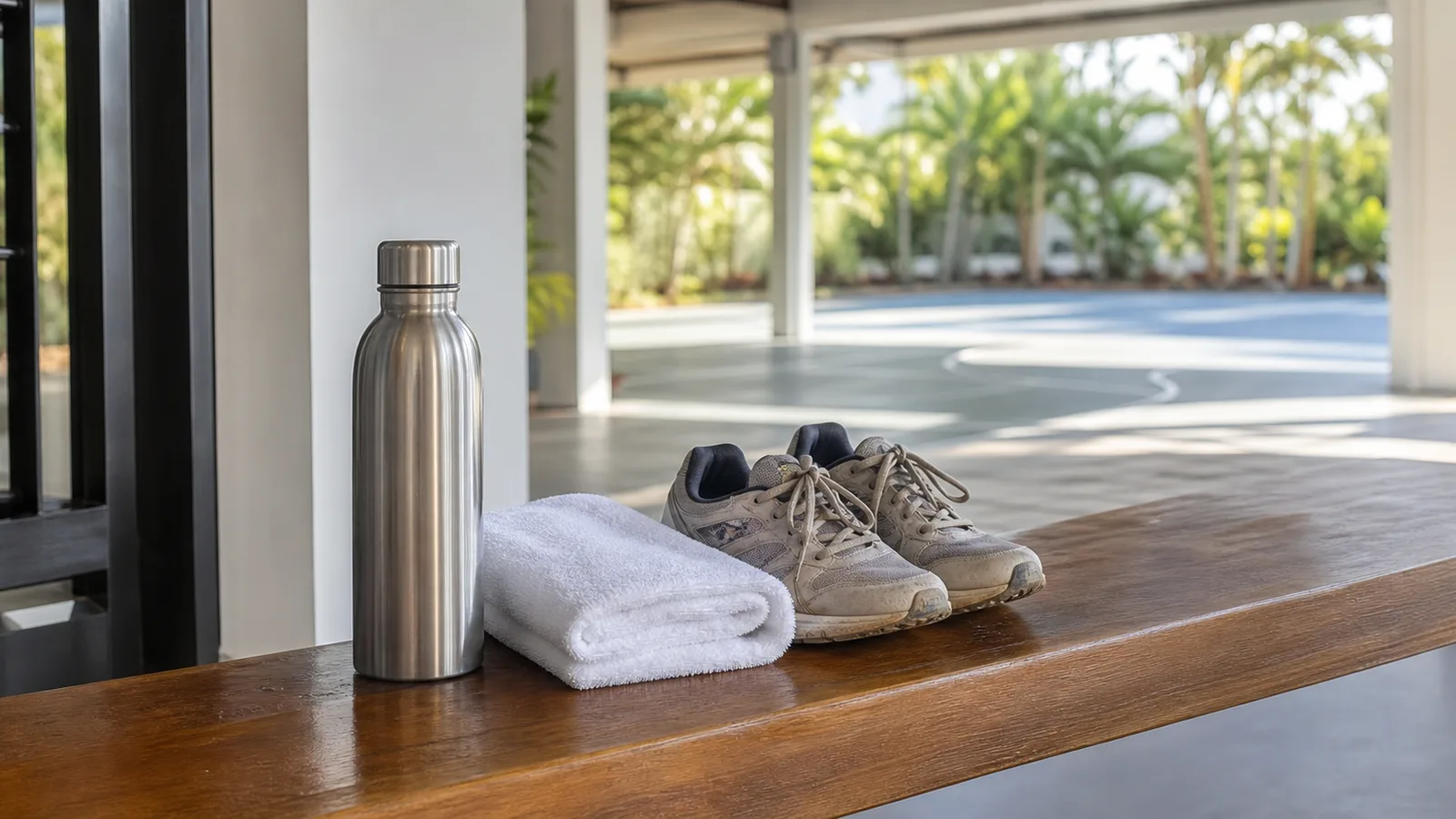
A practical detail that matters more than it should: cold water is drunk more readily than warm during exercise. An insulated bottle is a hydration intervention disguised as equipment.
After
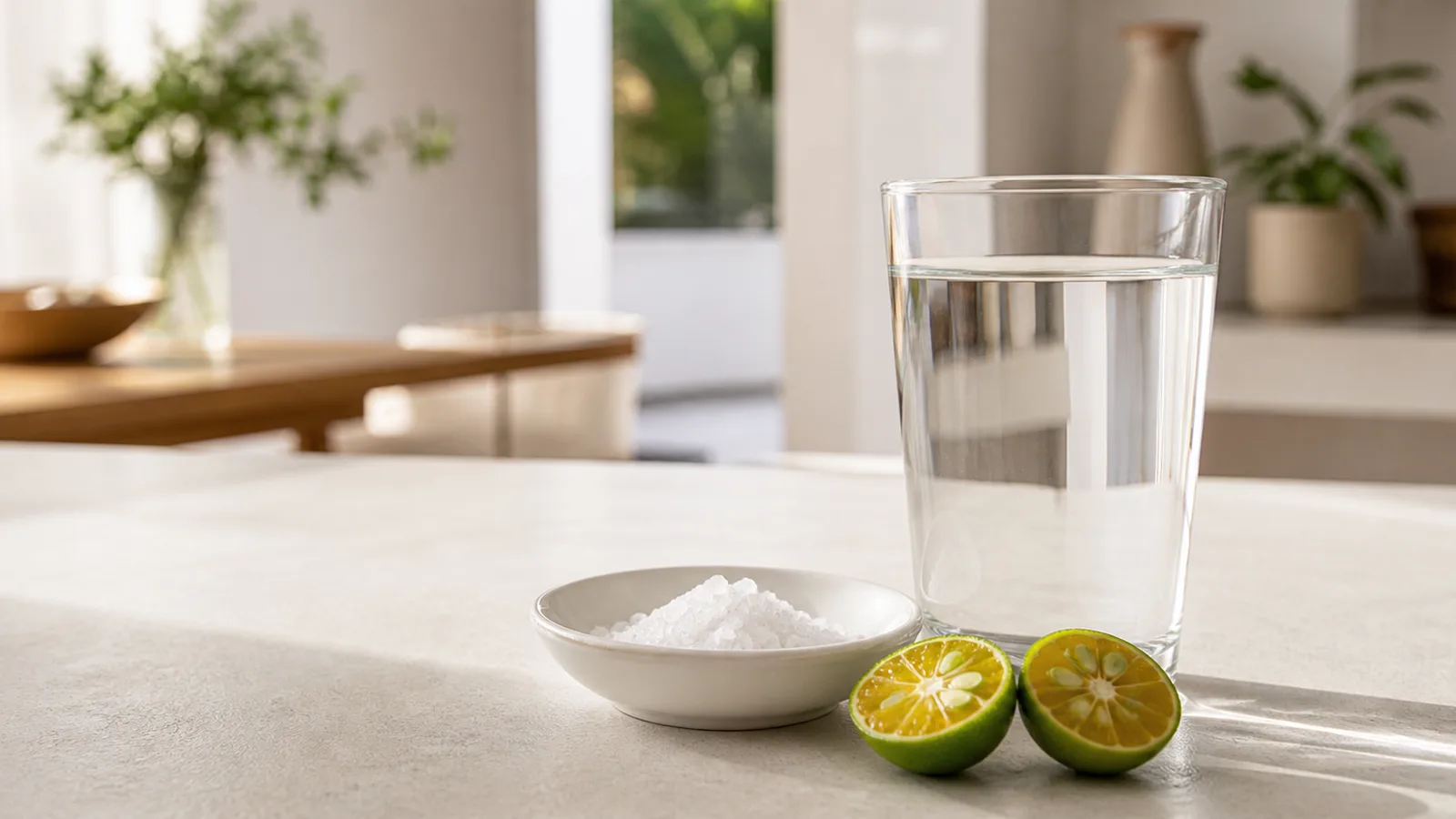
Replace over the following hours rather than all at once. If you used the weigh-in method and lost a kilogram, that is roughly a litre to make up — spread across the rest of the day, alongside a meal, which handles the sodium side without any product at all.
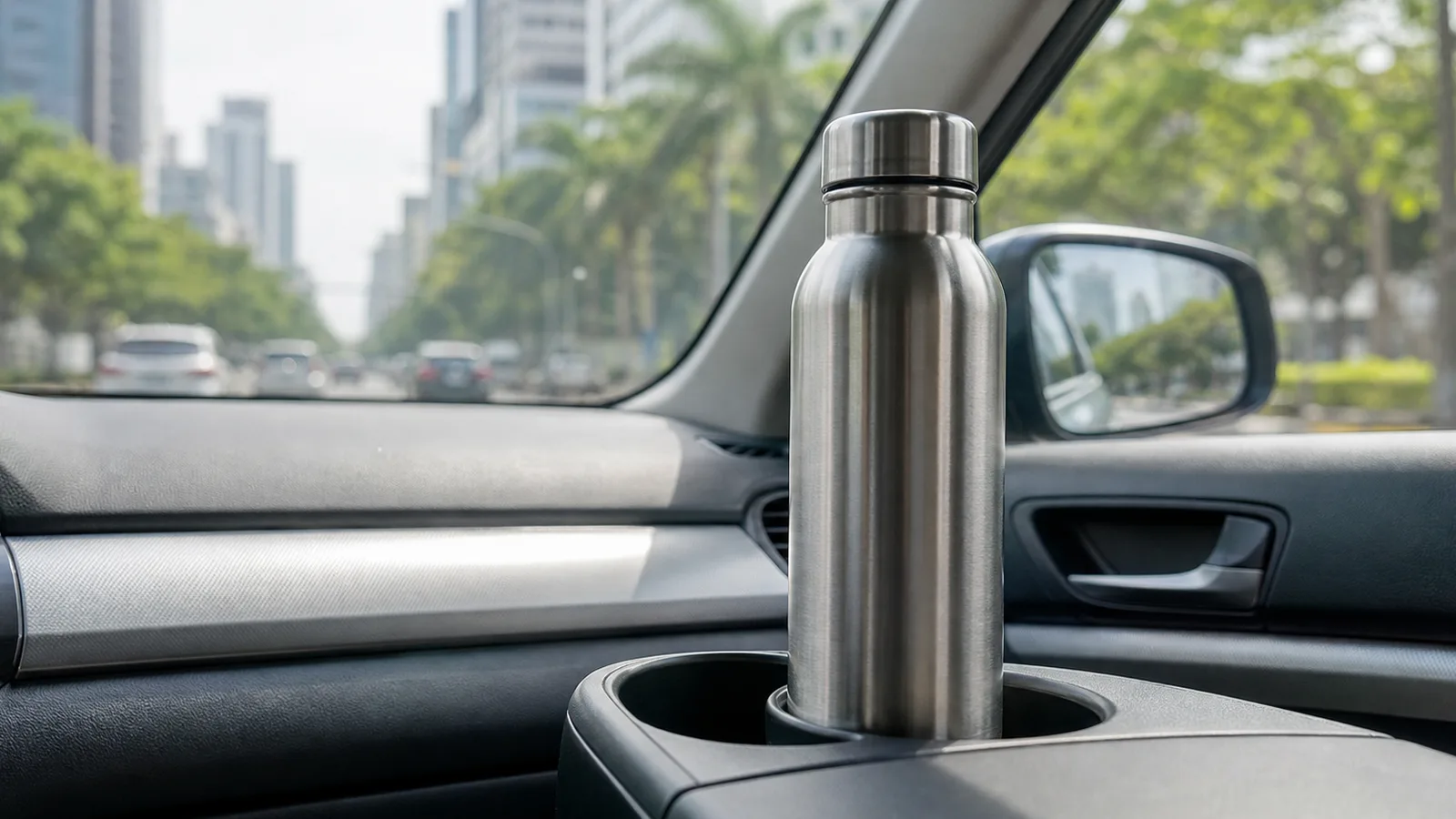
In this climate, the session ending is not the end of the sweating. The commute home in the heat continues it, which is the part most people forget to account for.
The other direction, which is real
Hydration advice almost never mentions that drinking far too much water is also possible and genuinely dangerous — diluting blood sodium to a degree that becomes a medical emergency. It is rare, and it happens mostly in endurance events where people drink to a schedule rather than to need, sometimes for hours.
For ordinary exercise the practical implication is small but worth stating: more is not automatically better, and there is no reason to force water down during a session that does not call for it.
The summary
Measure your own sweat rate once. Arrive hydrated. For short indoor sessions, drink to thirst. For long or hot ones, drink at intervals and take salt from your next meal. Replace afterwards over hours rather than minutes — and treat the commute home as part of the session.
None of which requires a specialised product, which is the honest position and the one least likely to come from an industry built on convincing ordinary people that water is insufficient.
Sources
Filed under
- Hydration
- exercise
- sweat rate
- sports hydration
- heat
- electrolytes