For a great many people in Metro Manila, the commute is the longest continuous stretch of the day spent in the heat — and it is also, reliably, the stretch in which they drink nothing at all.
That combination is why so much of the daily hydration deficit accumulates between leaving the house and arriving at work, rather than during either.
What a commute actually costs
Standing in a queue, waiting on a platform, sitting in traffic in a vehicle whose air conditioning is optimistic — these are hours of heat exposure with physical effort attached. In humid heat the body sweats more to achieve less cooling, which is the mechanism set out in hydration in a tropical climate.
The result is a real fluid cost incurred at exactly the moment when replacing it is most inconvenient.
The constraint everyone plans around silently
People drink less before and during a commute to avoid needing a bathroom on an MRT platform or in stopped traffic. That is a rational response to a genuine problem, and any advice that ignores it will be ignored in turn.
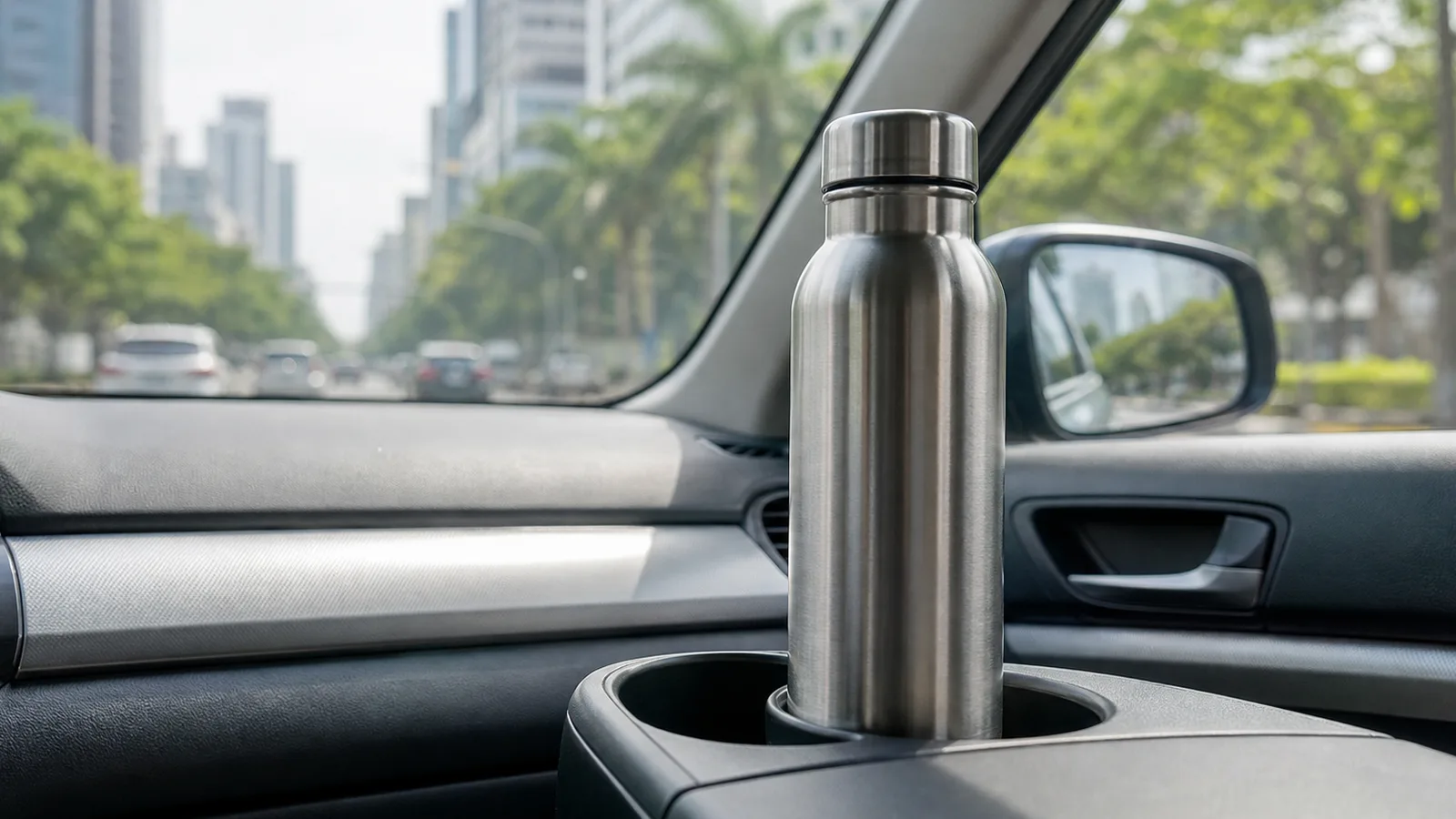
What actually fits a Metro Manila commute
The evening commute is the harder one
By the evening you are already behind: a day of air-conditioned dryness, an afternoon of under-drinking, and then the hottest, longest journey of the day. This is where people arrive home with a headache and blame the traffic.
The fix is at 4pm rather than at 7pm — refill before leaving the office, not after getting home. And it is worth noticing where the evening drinking sits relative to sleep, since the trade between arriving thirsty and waking at 3am is a real one, covered in sleep and the hour before bed.
Buying on the way, and what it adds up to
The default solution is a bottle bought at a convenience store, which works and is the single largest source of single-use plastic in most commuting households — the accumulation described in simple ways to reduce plastic bottles at home.
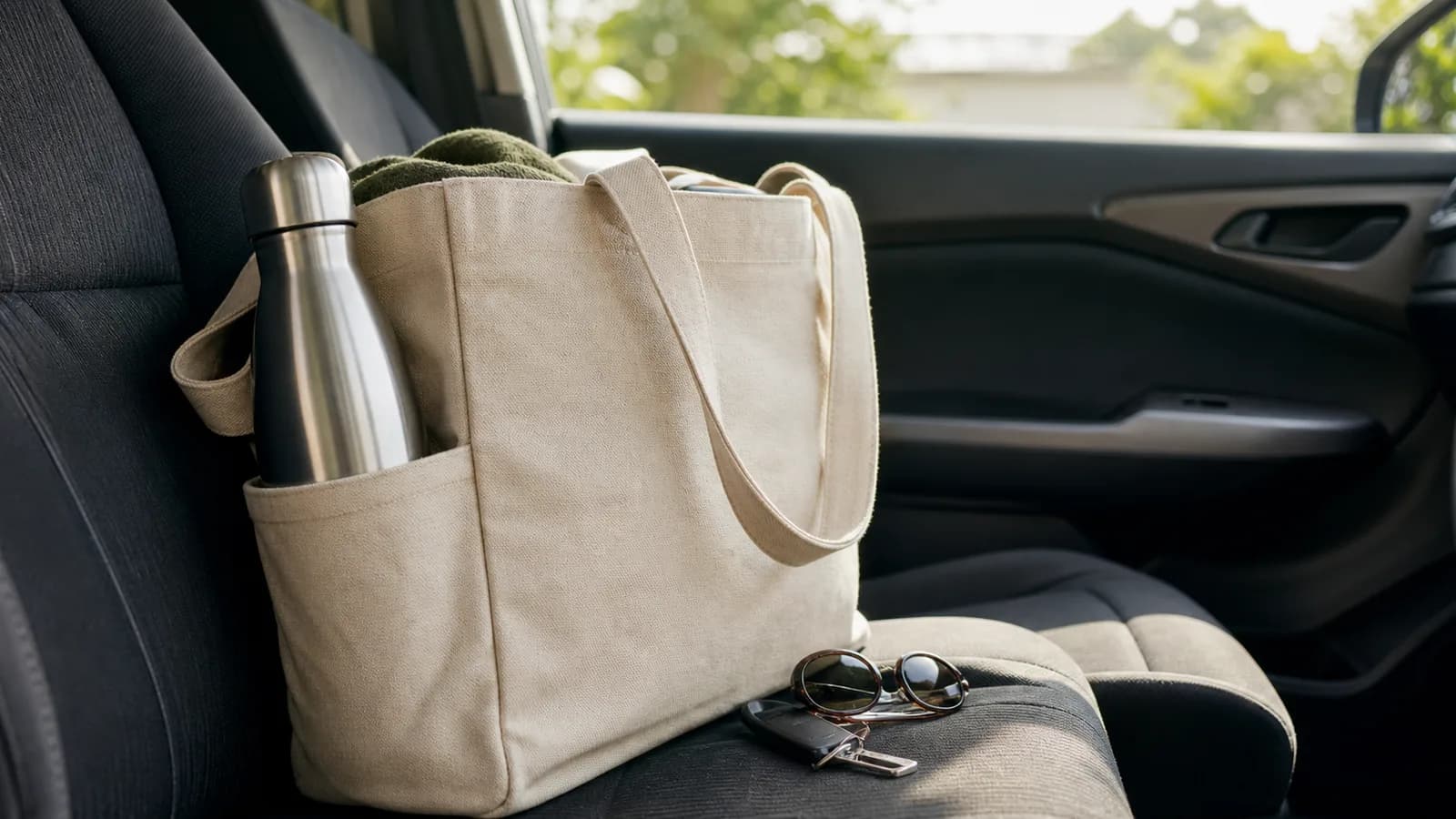
Twice a day, five days a week, is around five hundred bottles a year per person. Nobody decides to do that; it is the outcome of leaving the house without one.
General information about everyday habits, not medical advice. Heat exhaustion is a medical emergency — confusion, stopping sweating or collapse in the heat needs immediate help, not a bottle of water.
Sources
Filed under
- Hydration
- commuting
- Metro Manila
- heat
- hydration habits
- travel