Hydration at home works because of two things people rarely name: a routine that repeats, and water within reach. Travel removes both at once. The kettle is somewhere else, the glass is not on the counter, and the next opportunity to drink is whenever the vehicle stops.
That is the whole problem, and it explains why the advice that helps is logistical rather than physiological.
The loop that causes most of it
Almost everyone who under-drinks while travelling is doing it deliberately, if not consciously: drinking less to avoid needing a bathroom. On a long bus ride, in traffic, on a flight in a window seat, that calculation is entirely rational in the moment and costly by the end of the day.
Naming it helps, because the fix is planning rather than willpower — drink more before and after the constrained stretch, less during it, instead of pretending the constraint does not exist.
Flights
Cabin air is notably dry — pressurised air at altitude carries very little moisture — and you lose water steadily through breathing without feeling hot. Long flights compound it. This is the one travel situation where the environment itself is working against you rather than just the schedule.
Road trips and Manila commutes
A provincial drive and a two-hour commute across the metro have the same structure: a long stretch where drinking is inconvenient, in a hot climate, often after leaving the house without having drunk anything.
Front-load it. Drink before you leave rather than planning to catch up en route — the same principle as hydration in a tropical climate, where the common failure is starting a hot journey already behind.
For the vehicle itself: an insulated bottle is worth more here than anywhere else, because water in a parked car reaches an unpleasant temperature within an hour, and warm water does not get drunk.
Judging drinking water away from home
Within the Philippines, most travellers rely on sealed bottles or refilling stations, and the practical questions are ordinary: is the seal intact, is the container clean, has it been stored in the sun.
Travelling abroad, the sensible default is to check what local advice says about tap water rather than assume in either direction — plenty of countries have entirely drinkable tap water and buying bottles there is pure waste, while in others the caution is warranted. The World Health Organization's drinking-water guidance is the reference underneath most national advice.
General travel information, not medical advice. Travellers with medical conditions, and anyone unwell abroad, should follow proper medical guidance rather than a general article.
The bottle logistics
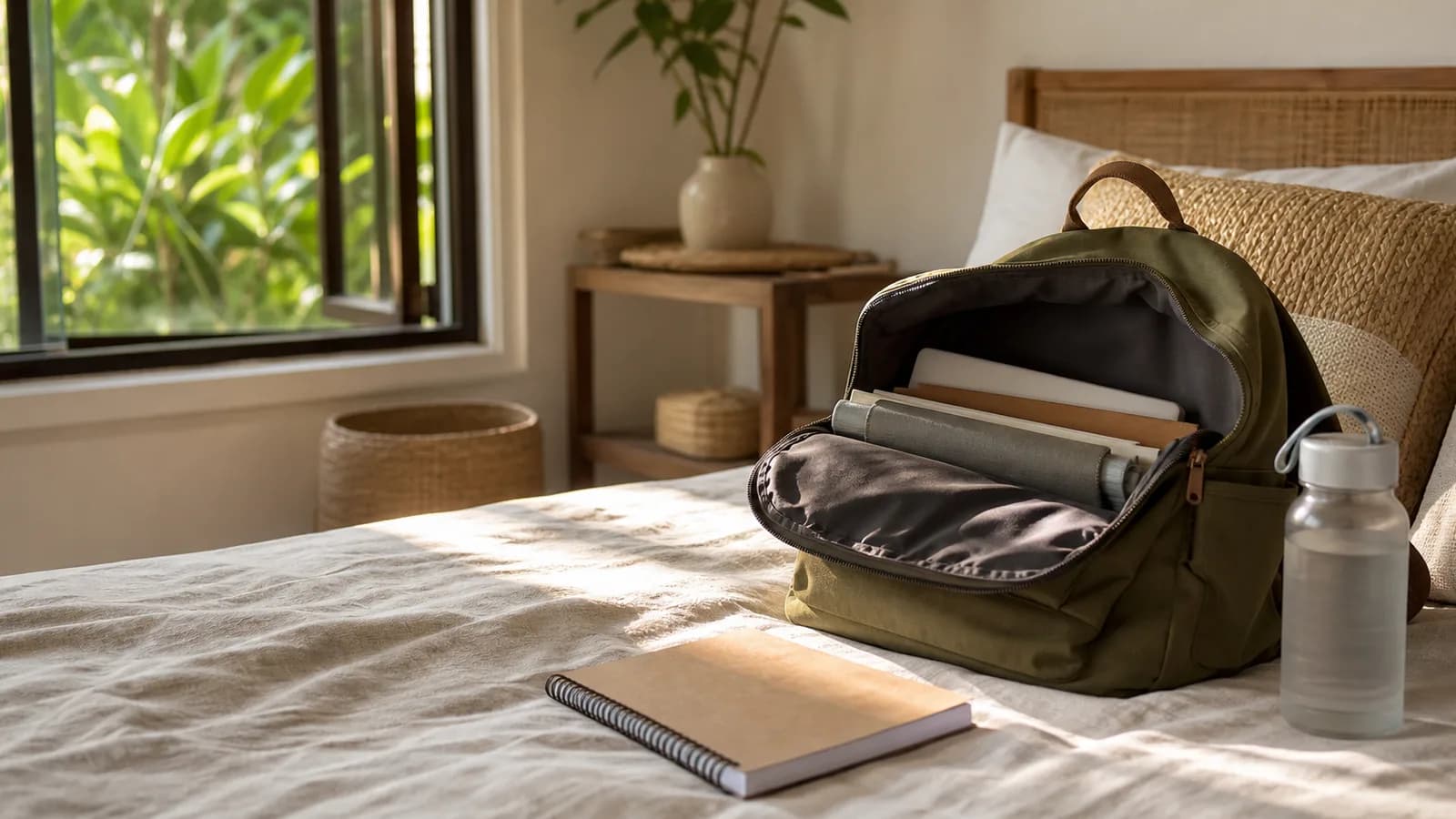
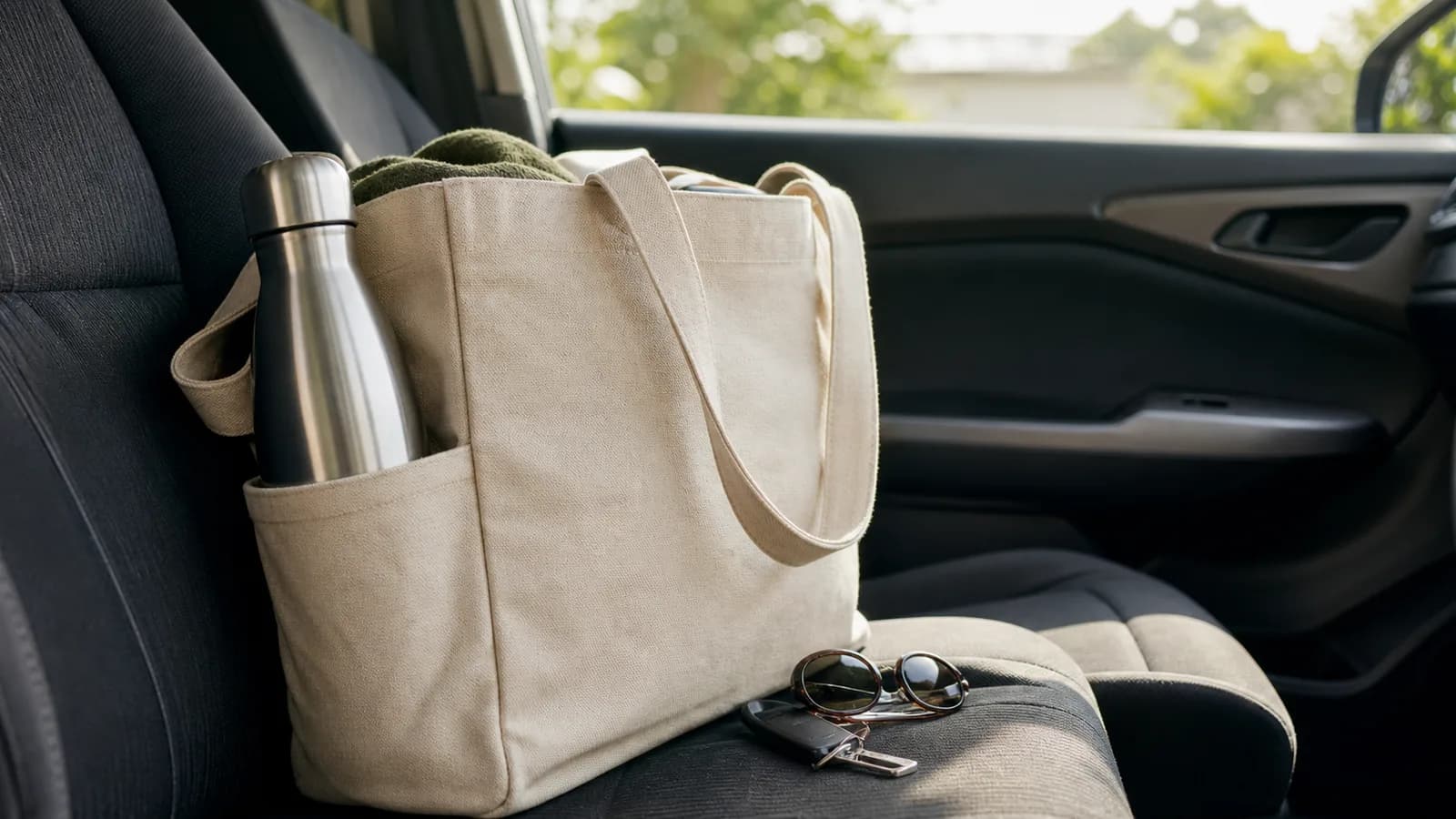
- One bottle, always in the same pocket of the same bag. Hydration on the move is a habit problem, and habits need a fixed location.
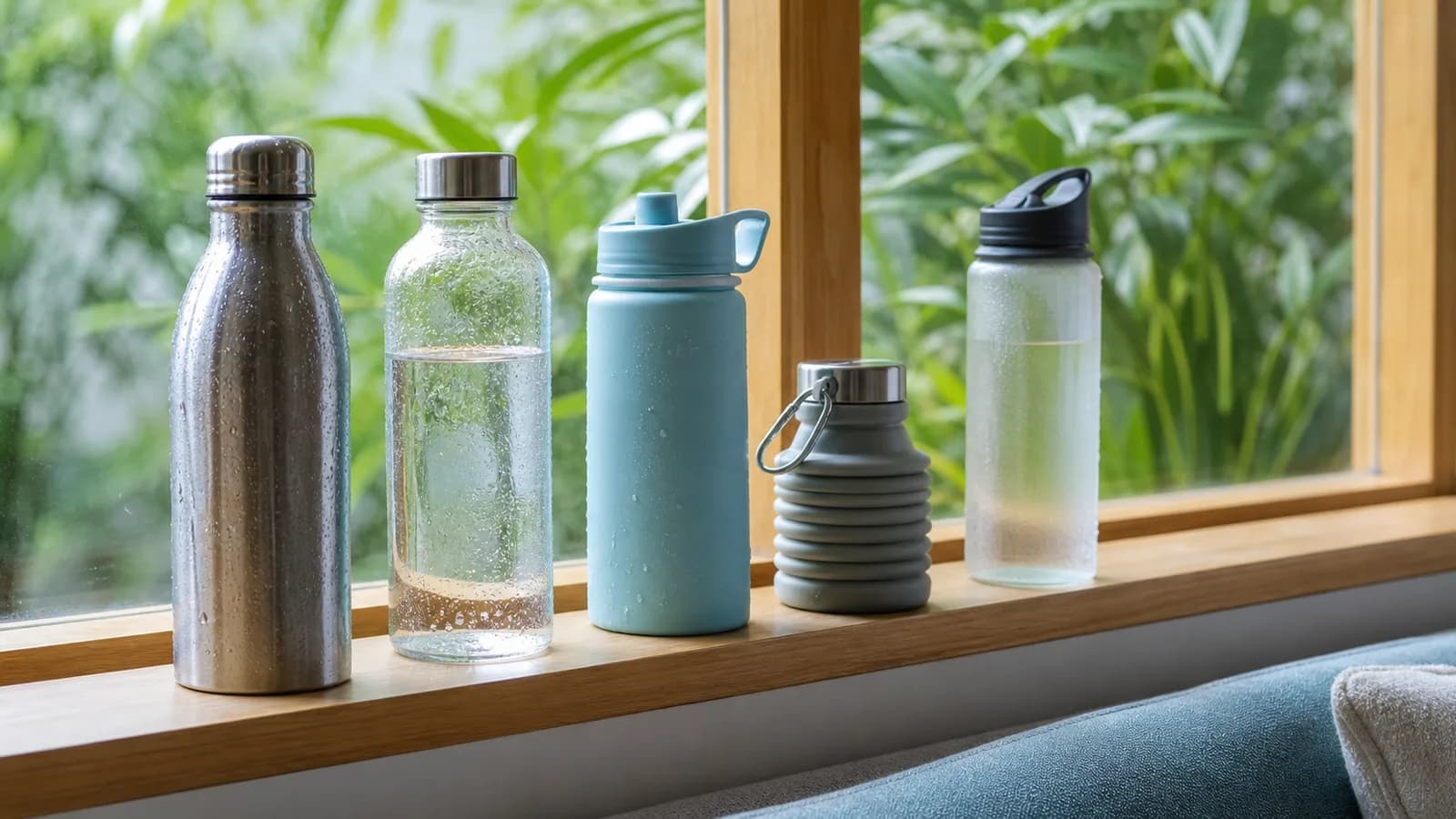
- Insulated, if the trip involves a car or the heat. Cold water gets finished.
- Leak-tested before it travels with a laptop. The lid decides whether a bottle survives a year of travel, as reusable bottles that survive real use sets out.
- Empty it before security, not after. The simplest way to keep the bottle and skip the purchase.
Coming home
The last, easily-missed part: the day you arrive back is usually another low-intake day — unpacking, errands, no routine yet. Rebuilding the ordinary pattern quickly matters more than any elaborate catch-up, and the pattern is the one described in morning routines that actually hold: attach the glass to something you already do, and let it run itself again.
Sources
Filed under
- Lifestyle
- travel
- flights
- road trips
- commuting
- hydration