
Walk into any convenience store and the water aisle now includes several products whose pitch is that plain water is not quite enough. Electrolytes are the usual reason given, and unlike a lot of wellness marketing, the underlying physiology is entirely real.
What is oversold is the situation. The gap between "electrolytes matter" and "you need an electrolyte drink today" is where most of the money in this category is made.
General information, not medical advice. Rehydration during illness — especially for children with diarrhoea or vomiting — is a medical matter with specific oral rehydration protocols, and it is not what this article is about. Anyone with a kidney, heart or blood-pressure condition should follow their doctor's guidance on salt and fluids.
What an electrolyte actually is
Minerals that carry an electrical charge when dissolved — principally sodium, potassium, chloride, magnesium and calcium. They are not an additive or a supplement category; they are ordinary constituents of body fluid, and they do fundamental work: keeping fluid balanced between compartments, allowing nerve signals to fire, allowing muscles to contract.
You already have them. The question is never whether you need electrolytes — you do, continuously — but whether you are losing them faster than food is replacing them.
What sweating actually costs you
Sweat is mostly water, but it carries dissolved minerals with it — sodium and chloride predominantly, potassium in smaller amounts. Heavy, prolonged sweating therefore costs you both fluid and salt.
In a hot, humid climate this matters more than in a temperate one, because humid heat drives more sweating for less cooling — the mechanism explained in hydration in a tropical climate. Someone doing physical work outdoors through a Philippine afternoon is in a genuinely different situation from someone in an air-conditioned office.
Where most people already get them
Food, and not marginally. Salt in cooking covers sodium and chloride comfortably — in most diets the public health concern runs in the opposite direction, toward too much rather than too little. Potassium comes from bananas, coconut water, root crops, leafy greens, fish and beans; magnesium from nuts, greens and whole grains.
A person eating normally and sweating normally is not running an electrolyte deficit that a drink needs to correct. Which is the honest reason most electrolyte products sold for daily use are solving a problem their buyer does not have — a gap that the marketing of sports drinks to ordinary gym-goers works to keep open.
When replacement genuinely matters
Outside those, water plus meals is the whole answer.
Reading a sports drink label
If you are buying one, the sugar line deserves as much attention as the mineral line. Many sports drinks carry substantial added sugar — sensible during endurance exercise, where carbohydrate is part of the point, and much less sensible as an everyday drink at a desk.
The same reading discipline applies here as anywhere else on a label: serving size first, then quantities per serving, then the ingredient list. The full method is in how to read a supplement label, and it transfers directly.
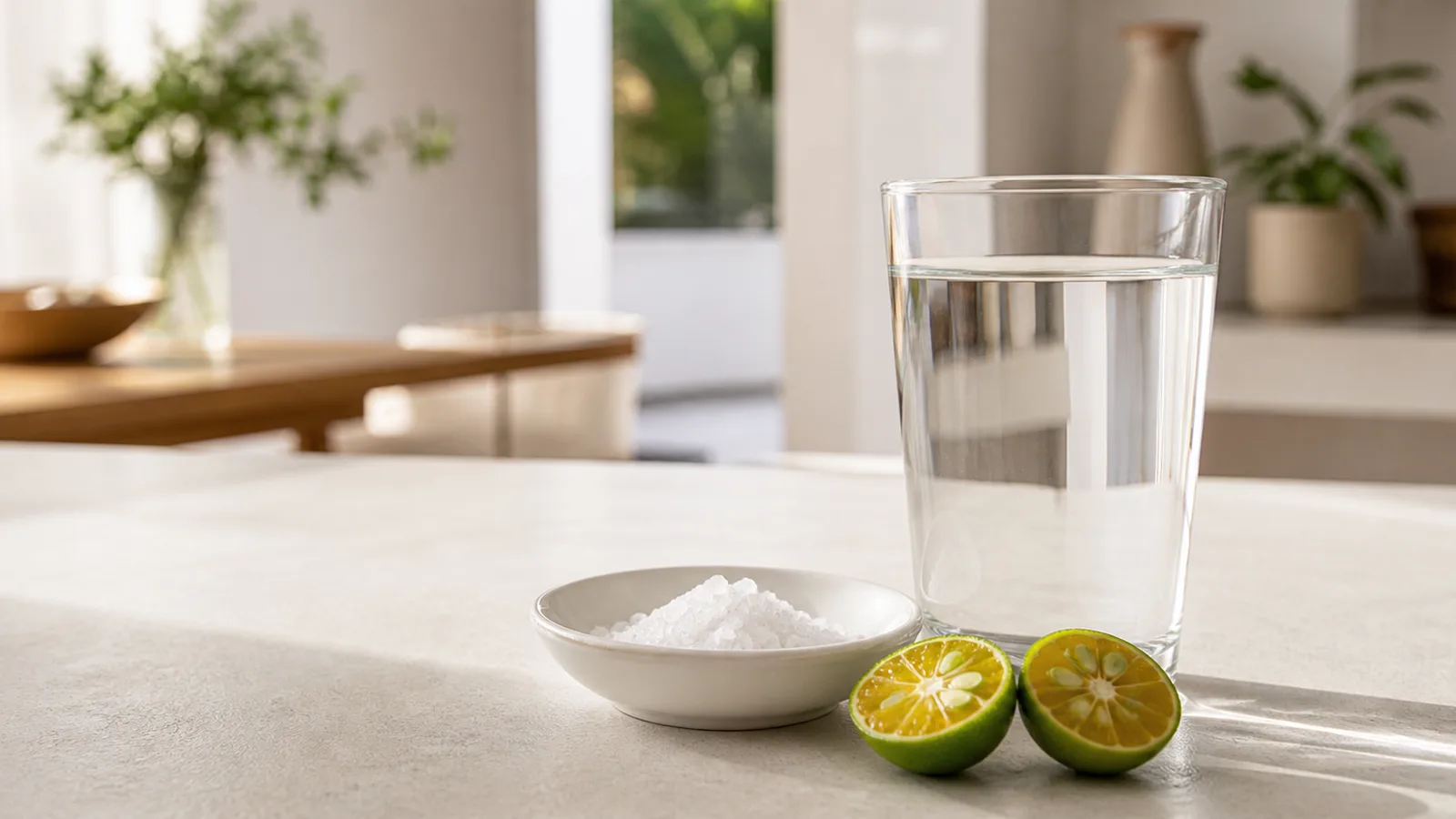
The traditional versions are worth remembering too. Coconut water carries potassium naturally; a pinch of salt and calamansi in water is the household version of the same idea, minus the branding and the sugar.
The summary
Electrolytes are real, necessary, and almost always already handled by eating. Plain water is the correct default for ordinary days, including hot ones. Deliberate replacement belongs to long heavy sweating, illness, and medical advice — three situations that are easy to recognise and not what the everyday shelf is selling to.
Sources
Filed under
- Hydration
- electrolytes
- sodium
- sports drinks
- sweat
- hydration