If the wellness industry could sell walking, it would be the most heavily marketed intervention in existence. It cannot, so it is instead the thing quietly recommended at the end of articles about more interesting products.
It deserves better placement. Regular moderate activity — of which walking is the most accessible form — is among the best-supported things anyone can do, and unlike almost everything else discussed on this site, it requires no purchase.
General information about everyday activity, not medical advice. Anyone with a heart or joint condition, or who has been inactive for a long time, should discuss a new routine with a doctor.
The ten thousand steps figure
Worth knowing, because it is quoted as though it were a clinical recommendation and it is not. It originated as a marketing figure for a Japanese pedometer in the 1960s, chosen partly because the character resembled a walking figure.
What the research since has found is more encouraging than the number implies: benefits appear well below ten thousand and accumulate steadily, with much of the gain arriving in the move from very little to moderate. The World Health Organization frames its guidance in minutes per week rather than steps for exactly this reason.
Why this is genuinely harder here
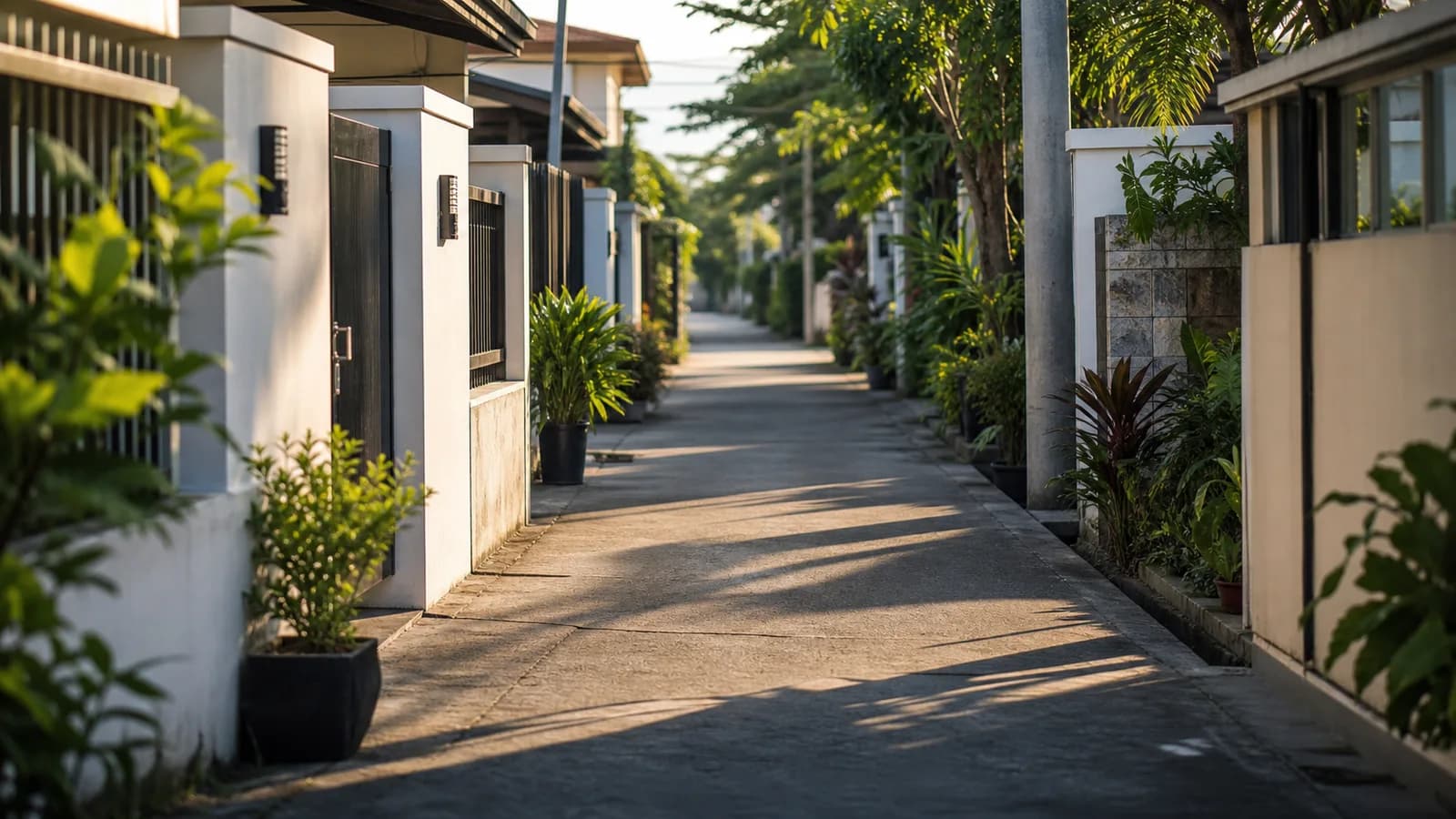
Walking advice is written in cities with footpaths. In much of Metro Manila the obstacles are real and are not the walker's fault: pavements that end without warning, no shade, heat that makes midday walking a poor idea, air quality on main roads, and neighbourhoods where walking simply is not a way of getting anywhere.
Any article that responds to that with "just walk more" is not worth reading. The useful response is to find the version that works within it.
What actually works here
And carry water if it is hot, which is less about hydration theory than about whether you will finish the walk — building a hydration habit.
What it is not
It is not a weight-loss programme, and framing it that way is the most common reason people stop. The reliable returns are elsewhere: it is movement that is sustainable, it interrupts long sitting, it gets you outdoors into daylight, and it is one of the few habits that survives a bad week.
That last point is why it belongs in this publication at all. It has the same property as every habit worth building — small, attachable, and available on the days everything else has been abandoned — small habits: why repetition beats intensity.
The part nobody counts
A morning walk delivers far more daylight than any indoor lighting, which is the strongest available signal for a sleep routine and the half of it that most people skip — light and darkness in a bedroom.
So the ten minutes outdoors is doing two jobs. That is unusually good value for something with no purchase attached, which is the whole argument in wellness on a budget.
Sources
Filed under
- Wellness
- walking
- movement
- steps
- everyday
- philippines