A diet plan has a start date, which means it has an end date whether or not anyone intended one. That structure explains most of what happens next: a period of restriction, a return to normal, and a conclusion that the person lacked discipline.
The alternative is not a better plan. It is a small number of defaults that survive an ordinary week — including the weeks with a fiesta, a deadline and no time to cook.
General information about everyday eating, not dietary or medical advice. Anyone managing diabetes, hypertension, kidney disease, pregnancy or any condition affecting diet should follow their doctor's or dietitian's guidance. If you have a difficult relationship with food, this is a subject to work through with a professional rather than an article.
Why plans fail in the same way
The structural fix is the same as for any habit: make the change small enough that it survives a bad week, then leave it alone. The mechanism is described in morning routines that actually hold, and it transfers directly.
The changes that hold
None of these requires a new cuisine, a subscription, or explaining yourself at a family meal.
- Add vegetables rather than removing food. Adding is easier to sustain than subtracting, and it changes the plate anyway.
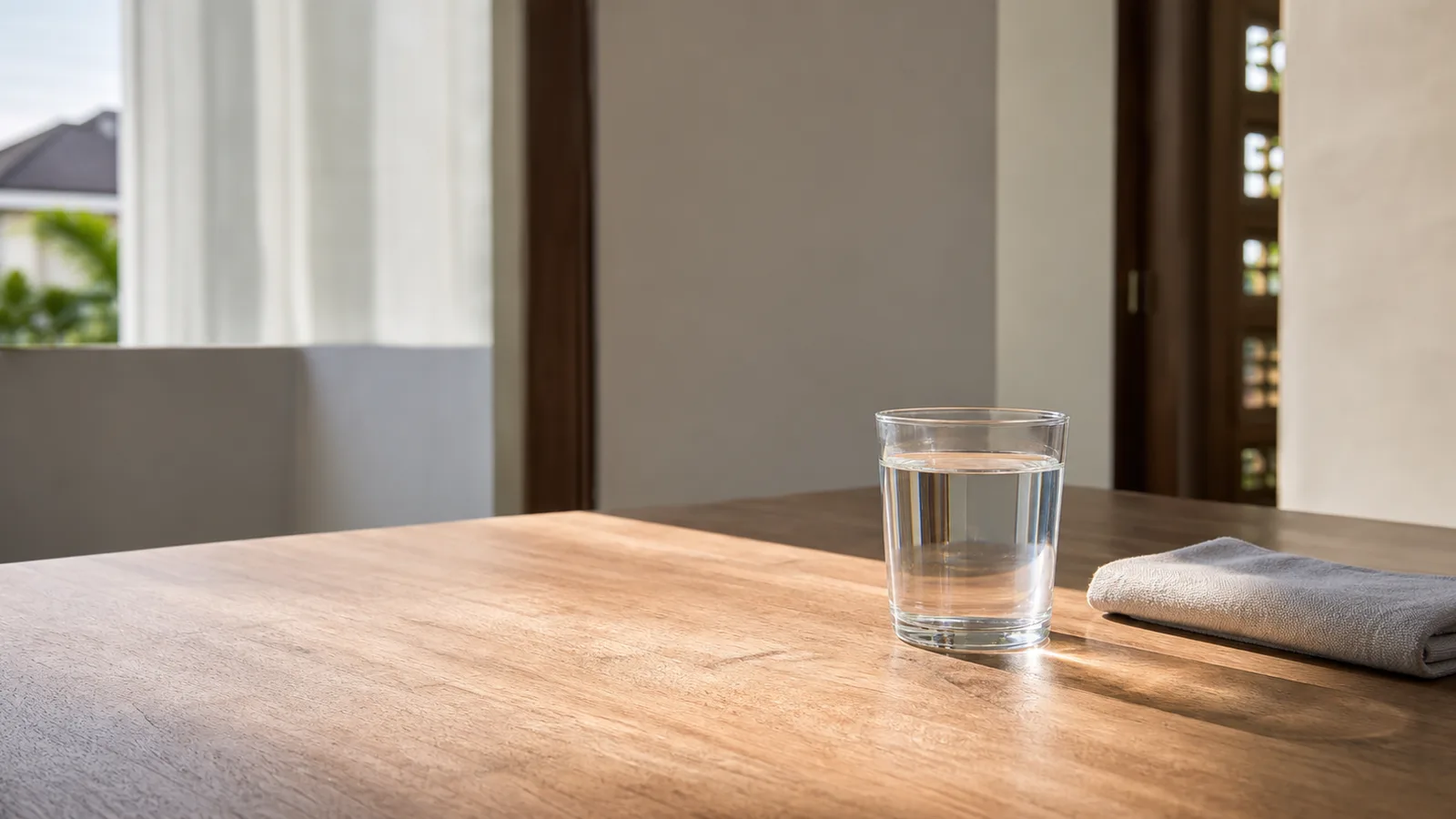
- Make water the default drink. The single largest everyday change in most households, and it needs no willpower once the pitcher is on the table.
- Keep sweet things occasional rather than ambient. Not banned — the WHO's guidance on free sugars is about overall intake, and what is in the house on an ordinary Tuesday is most of that.
- Eat at a table when you can. Eating while working reliably means eating more and noticing less.
- Cook one more meal a week at home than you do now. One. Not five.
Working with the food that is actually eaten
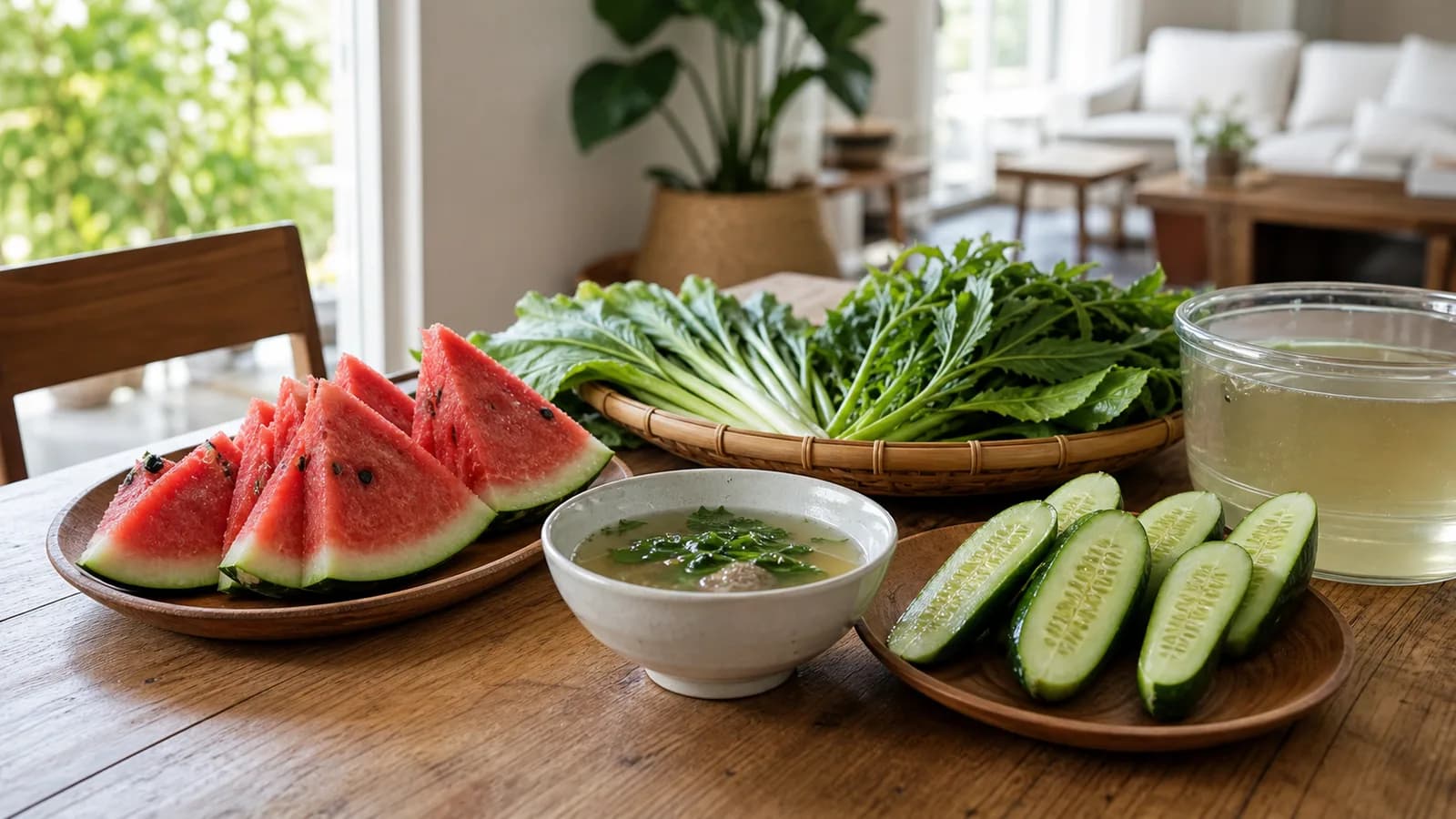
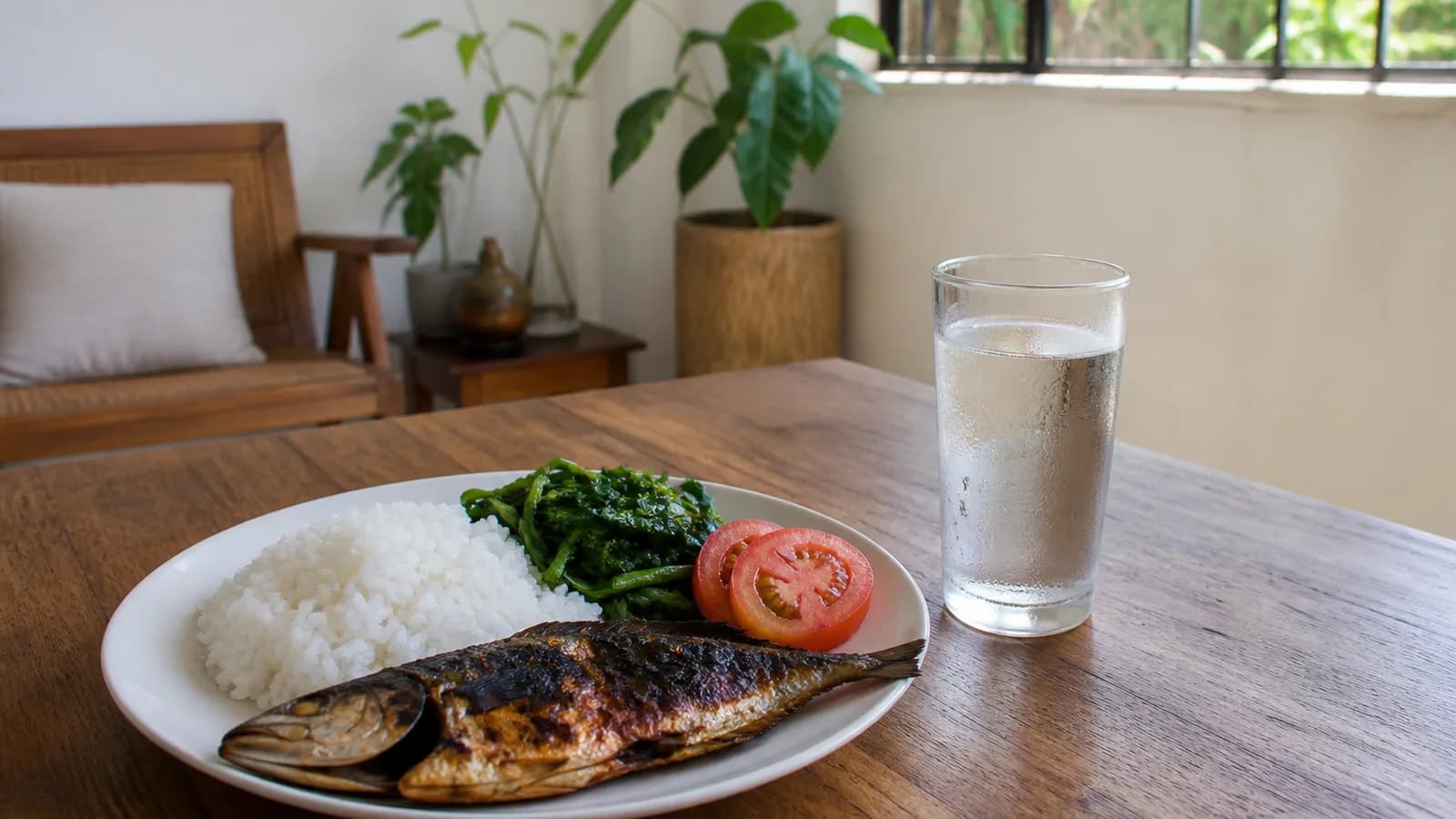
The everyday Filipino plate has real advantages that health writing rarely credits: broth-based dishes, fish, vegetables in the ulam, fruit in the heat. Those are not compromises to be corrected — they are the base to build on.
The adjustments that make a difference are marginal rather than transformative: more of the vegetable dish, fried a little less often, a smaller pour of the sweetened drink, fruit instead of a sachet snack. Nothing here requires a household to eat differently from itself.
And the broth dishes carry a hidden benefit worth knowing about — they contribute meaningfully to daily fluid intake, which is why a week of packed dry lunches needs more from the glass. That accounting is in water from food.
Drinks, which are the easiest lever
Sweetened drinks are among the largest single sources of added sugar in most diets, and they are also the easiest thing to change because nobody has to cook anything differently.
The practical version is not prohibition. It is making sure the default on the table is water — cold, visible, already poured — and letting the sweet thing be a choice rather than the only option in the fridge. How that is arranged is the subject of pitchers, glasses and the way water is served.
The honest limit
Eating well is easier with money, time and a kitchen, and harder without them. A household on a tight budget working long hours is not failing at nutrition; it is managing constraints that general advice does not see.
What an article can usefully offer is the small end: the defaults that cost nothing, the changes that survive a bad week, and no implication that anyone who cannot do more has fallen short.
Sources
Filed under
- Wellness
- eating
- habits
- Filipino food
- sugar
- wellness