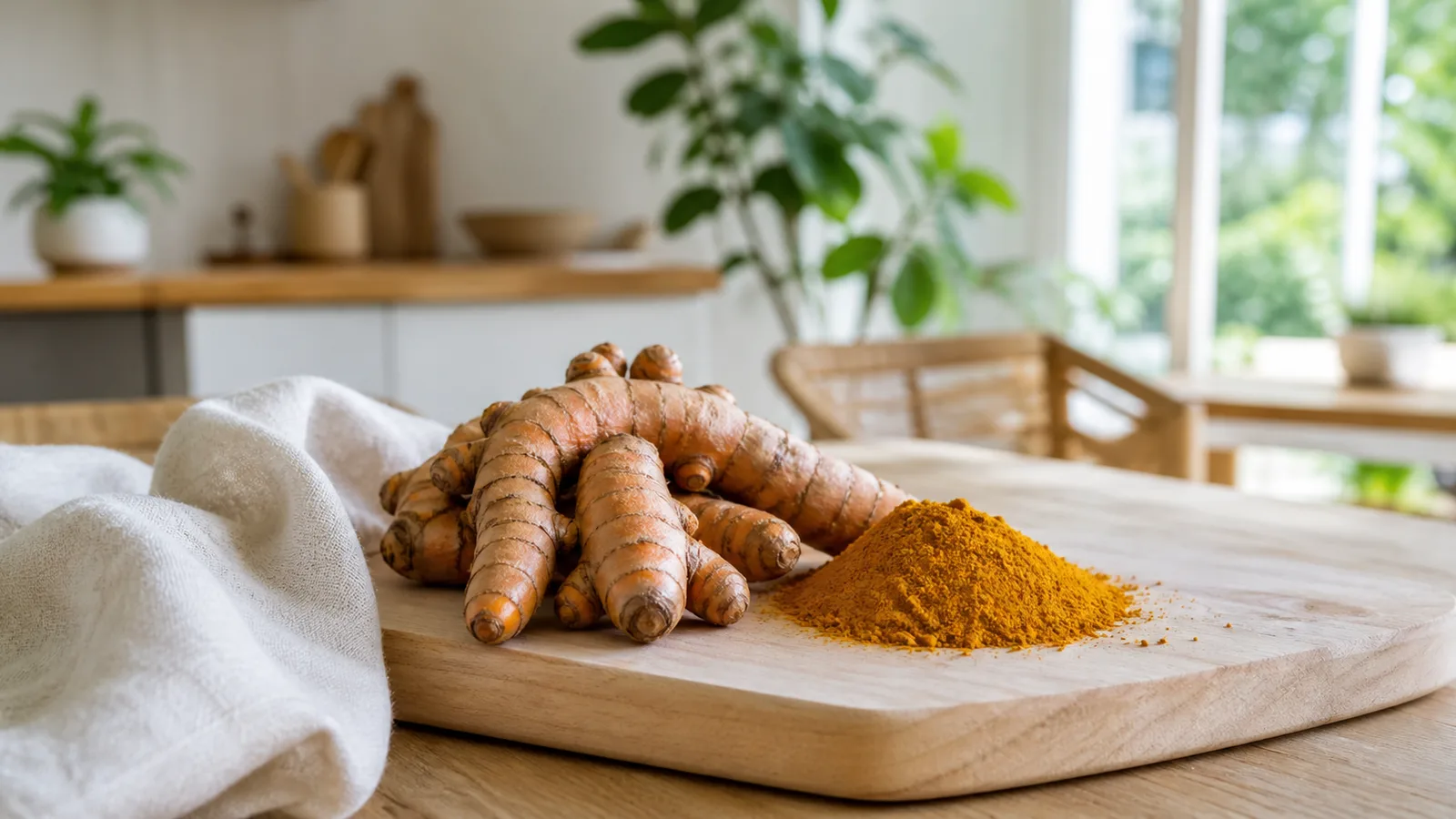
Ukon (ウコン) is simply the Japanese word for turmeric — the rhizome of plants in the Curcuma genus, the same family that colours curry powder and stains every chopping board it touches. It is not a rare botanical and it is not new.
What is worth understanding is why Okinawa in particular is attached to it, how the varieties differ, and what actually distinguishes one product format from another — because those are questions of fact, and they are the ones most articles skip on the way to claims we are not going to make.
This article describes a plant and the products made from it. It is not medical advice, and nothing here is offered to diagnose, treat, cure or prevent any disease. Food supplements sold in the Philippines carry the statement "No Approved Therapeutic Claim" for exactly this reason. If you take medication or have a health condition, ask your doctor before adding any supplement.
The plant itself
Turmeric is a tropical rhizome — an underground stem, not a root — harvested, dried and usually ground. Its colour comes from curcuminoids, the compounds that also make it a stubborn dye. It grows well in hot, humid conditions, which is why it is at home across South and Southeast Asia as well as in southern Japan.
Two varieties come up constantly in Japanese products, and the distinction is real rather than marketing:
| Name | Also called | Character |
|---|---|---|
| Haru ukon (spring) | Curcuma aromatica | Harvested in spring; notably bitter and aromatic |
| Aki ukon (autumn) | Curcuma longa — ordinary culinary turmeric | Harvested in autumn; the deeper yellow, milder one used in cooking |
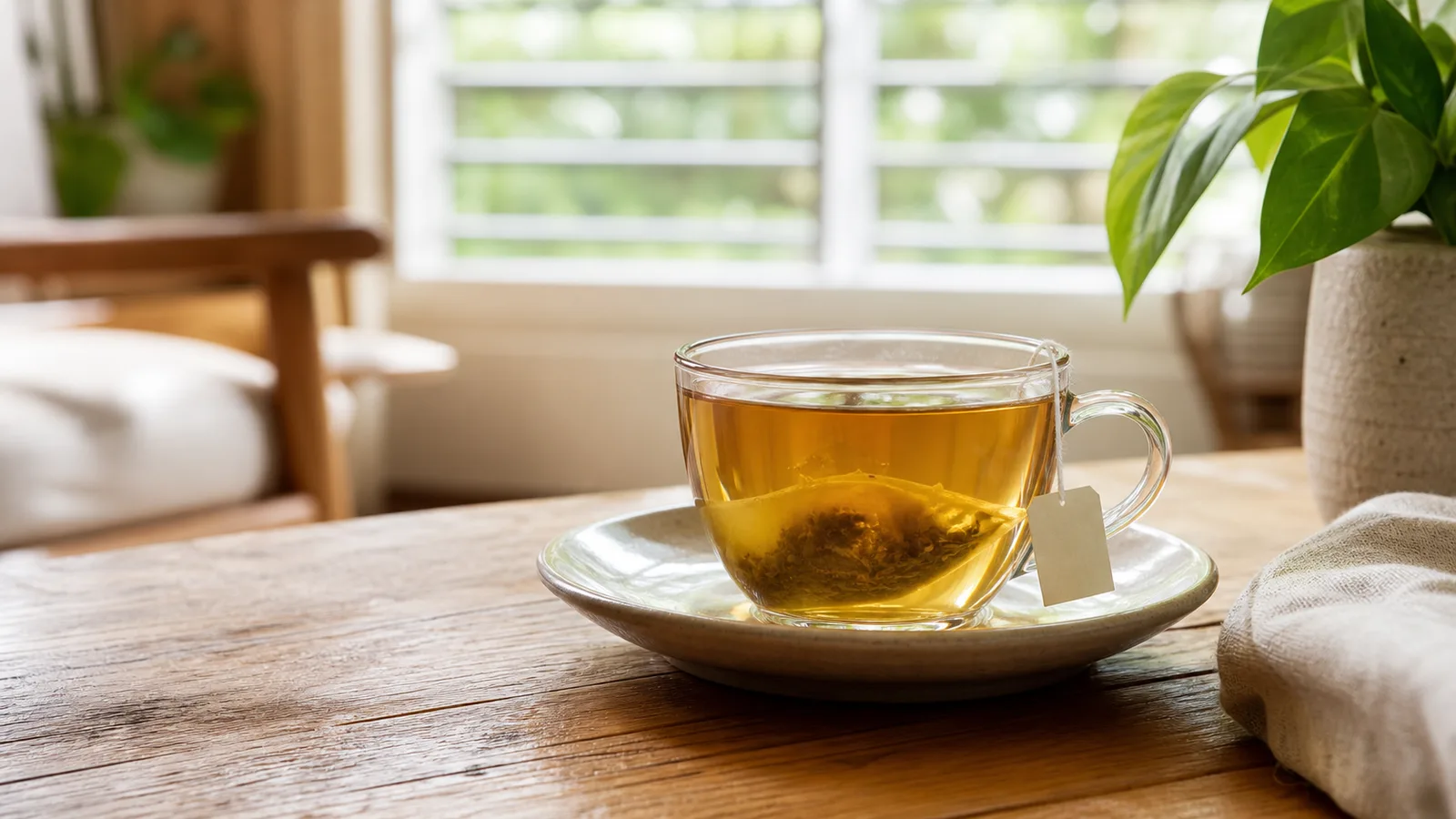
Products will usually say which they use. The Kangen Ukon Tea, for instance, is made from Okinawa autumn ukon — the culinary variety rather than the bitter spring one, which is a meaningful difference if you intend to drink it daily.
Why Okinawa is attached to it
Okinawa's climate suits the plant, and turmeric has a long domestic history there — it appears in local cooking, in traditional drinks, and as an everyday household item rather than an exotic import. That is a cultural and agricultural fact, and it is the honest extent of the Okinawa connection.
What it is not is evidence of anything. Okinawan longevity is a genuine subject of research, and the serious work on it points at diet as a whole, activity, and social structure rather than at any single ingredient. Attributing it to one rhizome is the kind of story that sells products and does not survive contact with the literature. The diet half of it is the dull, durable part, and it looks a lot like eating well without a diet plan.
How the forms actually differ
The showroom carries three ukon products, and the practical differences between them are format, dose consistency and route — not potency claims.
Whichever format interests you, the label is where the useful information lives — serving size, quantity per serving, other ingredients, and the registration details. How to read one is set out in how to read a supplement label.
The least controversial use
Turmeric is a food. It goes into rice, into soups, into anything you want yellow and gently earthy, and it has done so for centuries without needing a health claim attached. If you are curious about ukon and would rather start somewhere ordinary, start in the kitchen — and if you would rather drink it, turmeric tea in an everyday routine covers what that is actually like.
One practical warning that has nothing to do with health: it stains. Boards, cloth, grout, light-coloured plastic, fingernails. That is the curcuminoids doing exactly what they do in a dye pot.
Sources
Filed under
- Wellness
- ukon
- turmeric
- Okinawa
- supplements
- food culture