A note on tone before we start. This is not a list of household hazards, and your home is not working against you. It is a list of ordinary variables that are easy to overlook precisely because they are always there — and each one has a proportionate, unspectacular response.
That framing matters, because the healthy-home genre has a habit of manufacturing alarm and then selling the cure. The useful version of this conversation is duller: a handful of things worth attention, in a sensible order, with honest limits on what each is known to do.
1. The water between the source and your glass
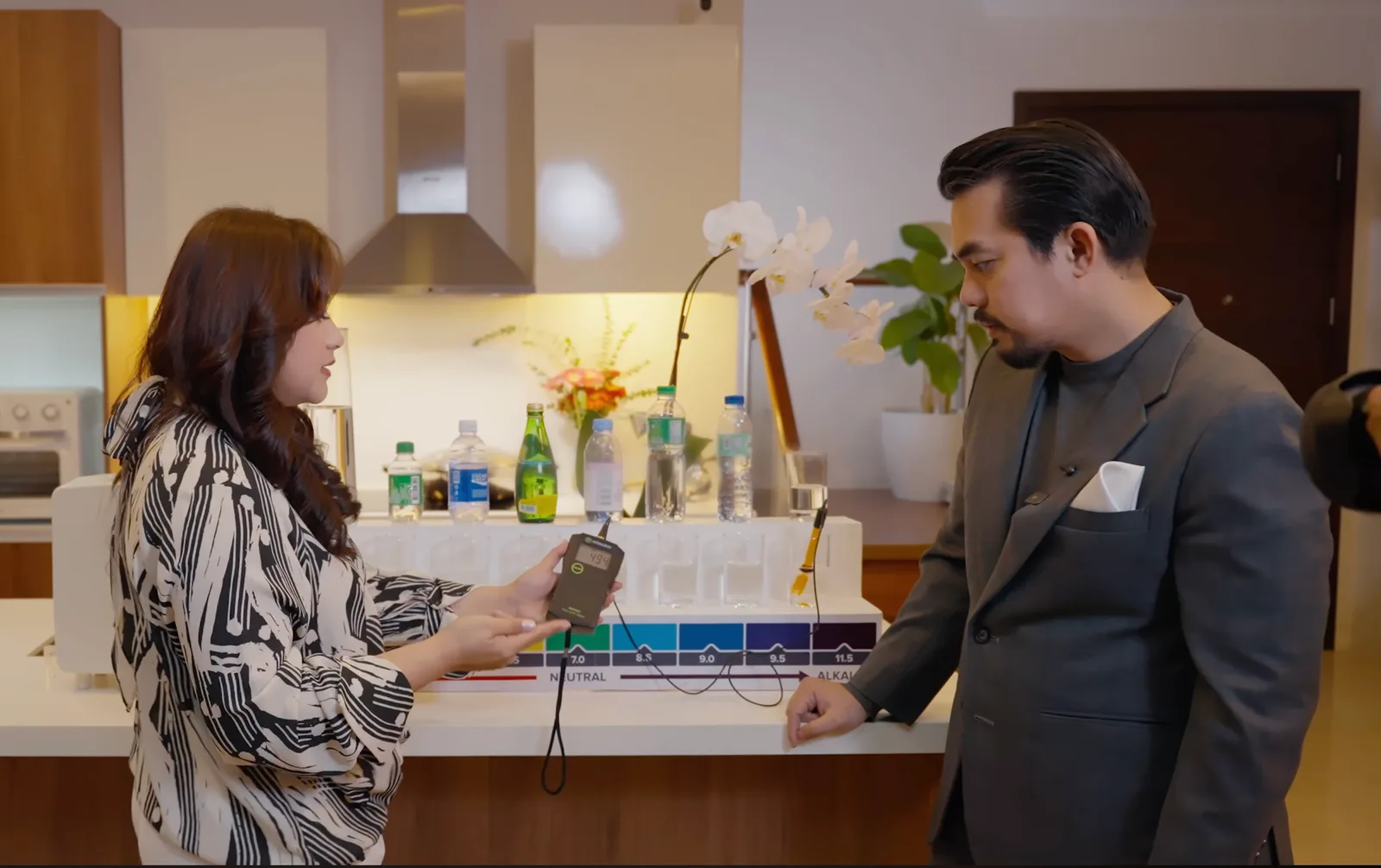
Most Filipino households have already made a decision about drinking water, usually without much deliberation. The Philippine Statistics Authority found that 98.4% of families had access to an improved drinking-water source in 2024, and that 57.9% drew their drinking water from refilling stations — the most common source in the country.
Two ordinary questions follow from that, neither of them alarming. The first is what happens between the source and the glass: containers stored in sunlight, dispensers that are rarely cleaned, and the general drift of a routine that nobody reviews. The second is whether the arrangement is the one the household would still choose if it were being decided today.
For households weighing a change of arrangement rather than a change of habit, the trade-offs are worked through in hydrogen water vs bottled water.
2. Indoor air, in a climate built for closed windows
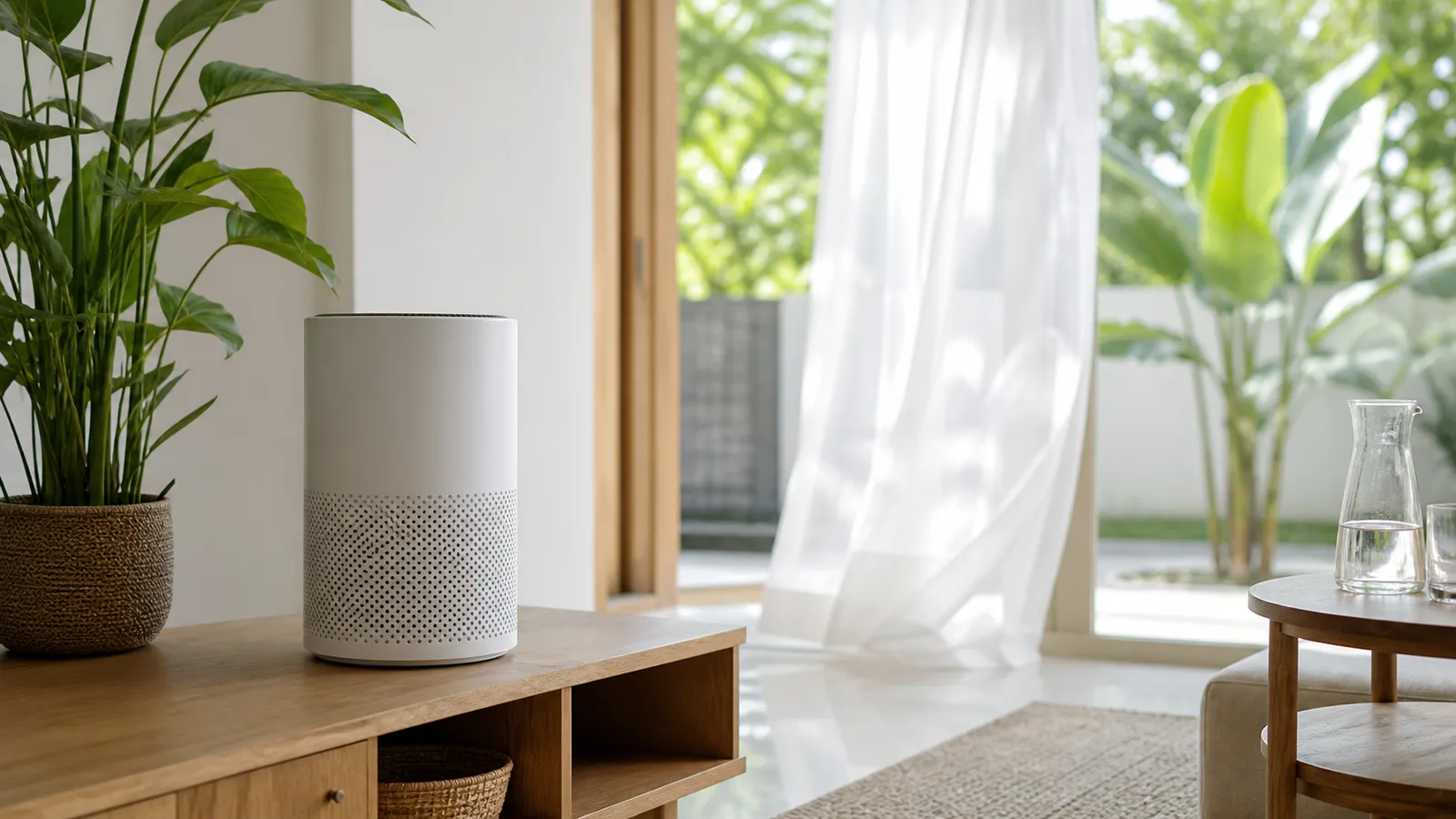
Air-conditioned rooms in a tropical country are, by design, sealed. That is what makes them comfortable, and it is also what makes ventilation a deliberate act rather than an automatic one. The EPA's guidance is blunt on the mechanism: inadequate ventilation raises indoor pollutant levels by failing to dilute emissions from indoor sources and failing to carry pollutants out.
The indoor sources in an ordinary home are unremarkable — cooking, cleaning products, candles and incense, new furnishings, damp in a bathroom that does not dry out. None of them is unusual. They simply accumulate when the air never changes.
- Open windows when the outdoor air and the weather allow, especially after cooking or cleaning.
- Run kitchen and bathroom extraction, and let bathrooms dry properly between uses.
- Address damp at the cause rather than the smell.
- If you use an air purifier such as Kangen Air, treat it as a supplement to ventilation, not a replacement for it.

3. Light — and the absence of it at the right times
Light is the household variable people are least likely to think of as one. Bright daylight early in the day and genuine darkness at night are the two signals the body's clock reads most reliably, and modern homes are good at supplying neither: interiors that stay dim through the morning, and screens that keep the evening bright.
The responses are free. Take morning light where you can get it, keep evening lighting warmer and lower, and make the bedroom dark enough that it is genuinely dark. No purchase is required for any of this, which is presumably why it is rarely discussed in articles of this kind.
4. What you clean with, and how much of it there is
Cleaning products are one of the indoor sources the ventilation section refers to, and in most households the issue is quantity and timing rather than the products themselves: several used at once, in a closed room, with the aircon running.
Ventilate while cleaning and for a while afterwards. Do not mix products. Use the amount the label specifies rather than the amount that feels thorough. And if a room smells strongly of cleaning product an hour later, that is a ventilation signal, not a sign of cleanliness.
5. The routine the house encourages
The last factor is the least tangible and probably the most consequential: a home quietly makes some behaviours easy and others effortful, and over months the easy ones win.
If drinking water means going to the kitchen, finding a clean glass and lifting a container, people drink less of it. If the only comfortable seat faces a television, evenings take a shape. If the bedroom is where laundry accumulates, sleep competes with the reminder. None of this is a health claim — it is furniture and friction, and both are adjustable.
Hydration is the clearest example, because the target is well established: the European Food Safety Authority puts adequate total water intake at about 2.0 litres a day for women and 2.5 for men in a moderate climate, food included, and a hot one asks for more. Whether a household reaches that is largely a question of how far the water is from where people sit. We go through it properly in how much water should you drink each day.
This article describes general household considerations. It is not medical advice, and no product mentioned treats, prevents or diagnoses any condition.
How to use this list
Take them in the order of effort rather than the order written. Light and routine cost nothing. Ventilation costs a habit. Cleaning practice costs attention. Water is the one that may cost money, and it is also the one most households have already been paying for indefinitely without noticing.
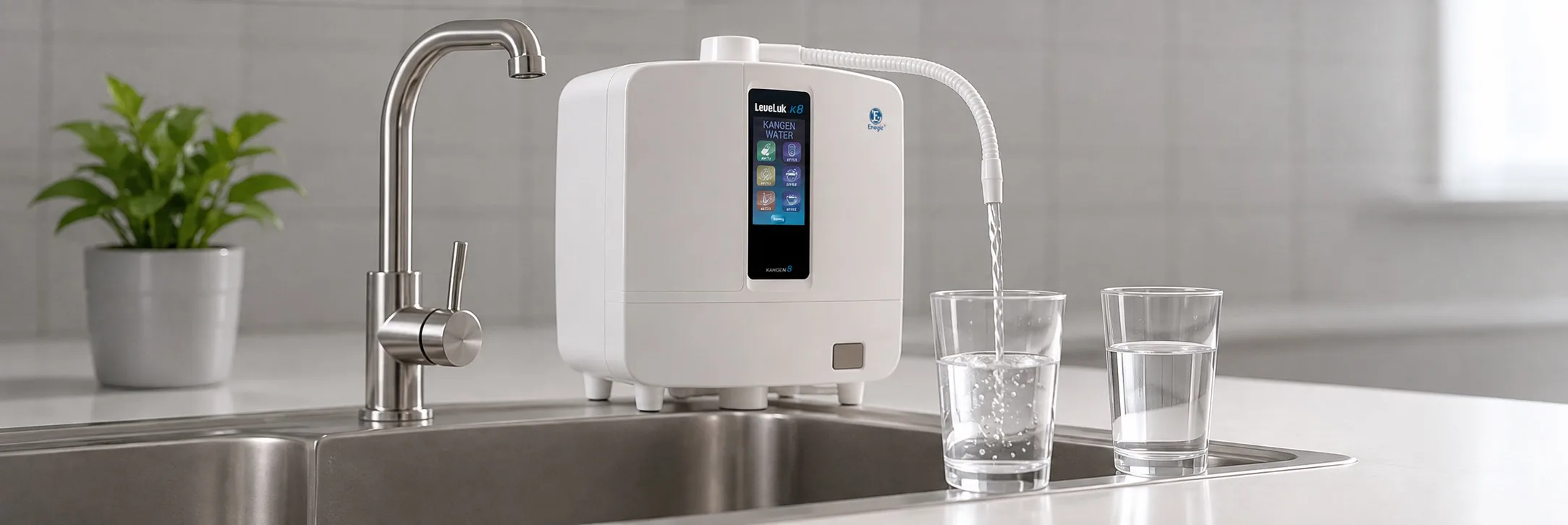
For the design-side version of the same list — the decisions worth making while a kitchen is still on paper — see luxury wellness homes. If you would rather look at the water question directly, the systems available through Kangen.ph and a demonstration at home are the practical next steps.
Sources
- US Environmental Protection Agency — The Inside Story: A Guide to Indoor Air Quality.
- US Environmental Protection Agency — Indoor Air Quality.
- Philippine Statistics Authority — Access to Basic Drinking Water Service Among Families Improved in 2024.
- European Food Safety Authority — Dietary reference values for water.
Filed under
- Healthy Home
- healthy home
- indoor air
- water quality
- daily routine
- home environment